
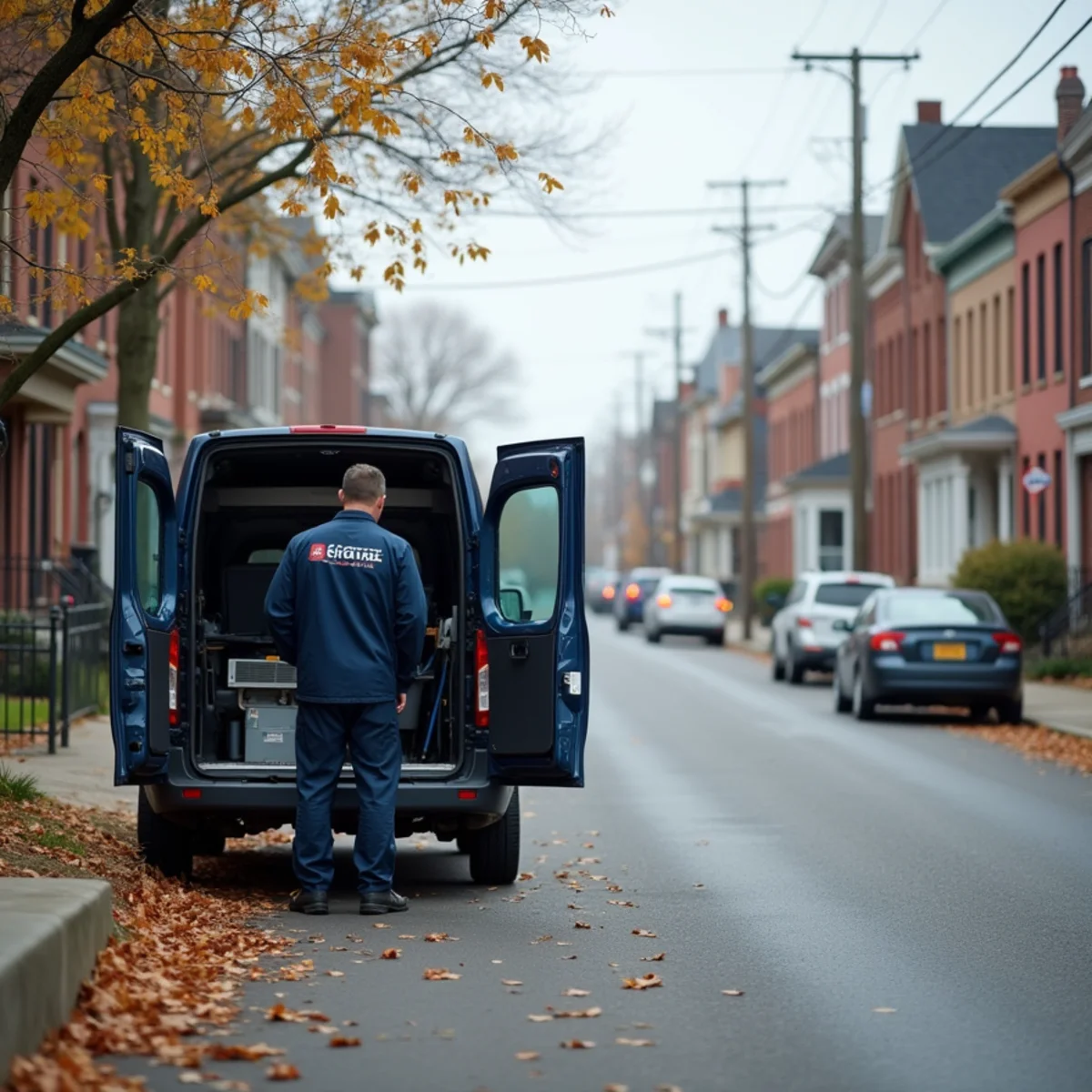
Neighborhood · Neighborhood service area
HVAC Services on Pomfret Street, Carlisle
Pomfret Street runs east from downtown through blocks that change character every few hundred feet — substantial detached homes near the center giving way to attached and semi-detached houses further out. Three to six minutes from the shop.
Same-day emergency service across Cumberland County 4.9/5 from 214+ reviewsLicensed & insured
- 4.9 ★
- 214+ local reviews
- 18 yrs
- Serving Cumberland County
- 24/7
- Emergency dispatch
- 100%
- Satisfaction guarantee
The heating is predominantly hydronic. Cast-iron radiators, hot water or steam, boilers that range from 1950s cast-iron sections to relatively modern condensing units. Cooling, where it exists, has been added piecemeal.
What makes this street interesting to work on is the variety. Two houses next door to each other can have entirely different systems, and the right answer for one is genuinely wrong for the other.
Good hydronic heat and nowhere to put cooling
The radiator systems along here mostly work well and, when properly maintained, are excellent heat — steady, quiet, and without the drafts of forced air. Our position is that a sound hydronic system is an asset, not a problem to be converted away.
The difficulty is cooling. There is no ductwork and no practical route to add it without significant damage. Homeowners end up with window units, which are noisy, inefficient, and in some cases restricted or discouraged on street-facing elevations in a historic context.
Ductless is the answer, and the head style matters. A floor console sits low where a radiator would and reads correctly in a period room. A concealed ducted head in a closet feeding two rooms through short runs disappears entirely.

3–6 minutes from the shop from our shop to the Pomfret Street blocks
Same-day emergency service across Cumberland County. Call and describe the symptom — we will tell you honestly whether it needs a truck tonight or a scheduled visit.
Local work: the blocks running east from downtown
One house here had a hot-water boiler in genuinely good condition and a third floor that had never heated properly. Two contractors had recommended replacing the boiler.
The actual problem was air in the top-floor loop and a circulator that had been installed pumping toward the expansion tank instead of away from it, which meant the top of the system could never fully purge. We repositioned the circulator, purged the loops properly, and bled the radiators. The third floor came up to temperature for the first time in years, on the same boiler.
We then added two ductless zones for cooling, kept the boiler for heat, and left the owner with a house that works in both seasons and a mechanical system that is still fundamentally the one the house was built with.
Hydronic heat is comfortable and very dry
The blocks running east from downtown mostly have good hydronic heating, and it is a comfortable way to heat: radiant surfaces, no draughts, and steady output that suits masonry. What it does not do is manage humidity in any way.
In January the outdoor air is holding very little moisture, and once it leaks into a house and is warmed it becomes extremely dry. In a tall old house with plenty of air leakage at the top of the building, indoor humidity routinely falls below the 30 percent floor where plaster, trim and original woodwork begin to suffer.
It also affects how the house feels. Dry air makes a room feel colder than the thermostat reading, so people raise the setpoint, which dries it further. That loop is the reason so many hydronic houses are heated harder than they need to be.
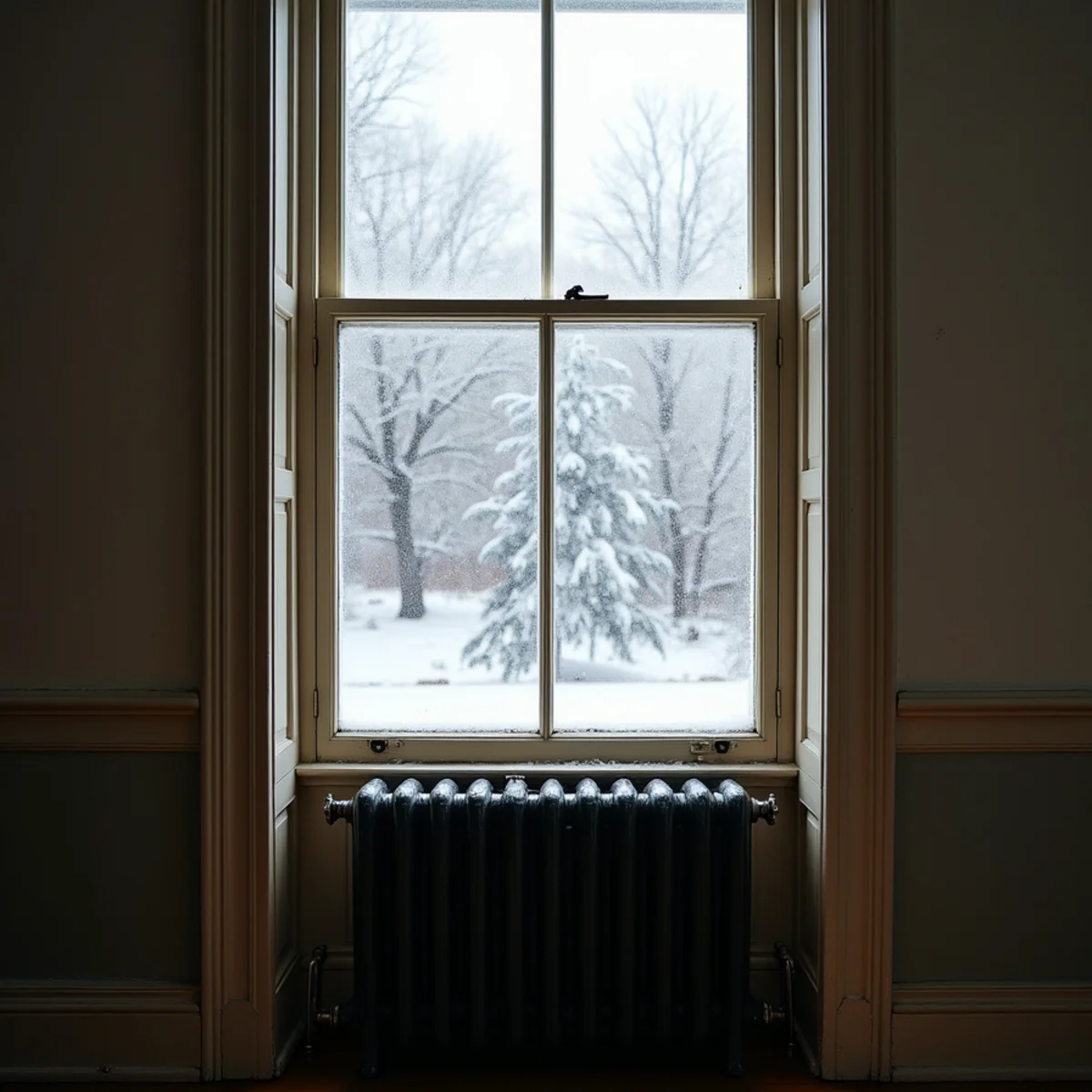
HVAC services we provide in Pomfret Street
Diagnose the distribution, then address the air
On heating faults, the money is in diagnosis. A top floor that has not heated properly in years is almost always an air lock, a failed vent or the consequence of piping altered decades ago, and correcting it is a day of work rather than a replacement.
System pressure is a related and inexpensive item. A system running well above the pressure it should stresses components and opens relief valves, and the cause is usually a spent expansion tank or a fill valve passing water, both of which are cheap parts.
On humidity, air sealing at the attic plane comes before a humidifier. Adding moisture to a leaky house pushes it into the wall assembly, where it does harm rather than good. Sealing first and then humidifying under proper control is both cheaper to run and safer for the building.
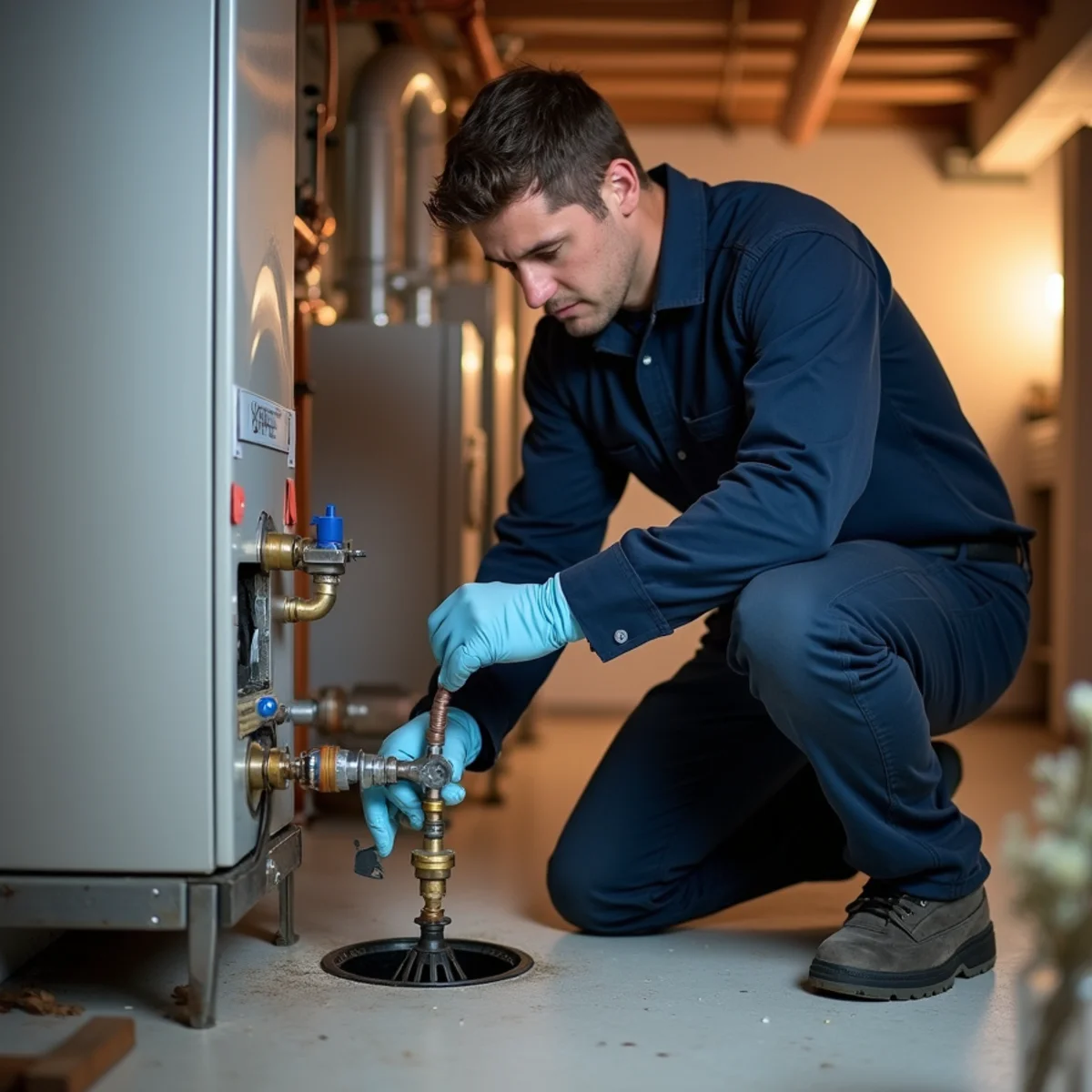
No heat or no cooling in Pomfret Street right now?
A person answers the phone, not an answering service. Tell us the symptom and we will say honestly whether it needs a truck tonight or a scheduled visit — 3–6 minutes from the shop from our Carlisle shop.
Why Pomfret Street residents call us
Air locks and circulators, not new boilers
A third floor that has not heated in years is usually air trapped in the top loop or a circulator installed pumping the wrong way relative to the expansion tank. Both are repairs.
Two houses, two answers
Systems change from one address to the next along this street. We diagnose the building in front of us instead of applying a neighborhood template.
Cooling without altering the interior
Floor consoles and concealed heads that read correctly in a period room, so you are not choosing between comfort and the character of the house.
Sealing before humidifying
Adding moisture to a leaky house drives it into the walls, so the attic plane gets addressed before any humidifier goes in.
Pressure faults traced to the cheap part
A system that keeps needing topping up is usually a spent expansion tank or a passing fill valve, not a failing boiler.
18 years serving Cumberland County · 214+ reviews · EPA Section 608 Universal certified technicians · PA Home Improvement Contractor — registration number available on request · 100% satisfaction guarantee on every repair and installation
Pomfret Street HVAC questions
In the houses we have opened up along this street it is usually air locked in the upper loop that can never fully purge — very often because the circulator was installed pumping toward the expansion tank instead of away from it. Repositioning the circulator, adding proper air separation and purging each loop brings those radiators back. The boiler is frequently fine.
Yes, and it is the configuration we recommend most on this street. Keep the hydronic heat, which is quiet, draft-free and well suited to these rooms, and add ductless heads for cooling and shoulder-season use. Floor-mounted consoles sit low where a radiator would and look appropriate in a period interior.
A residential hot-water system in a two- or three-story house typically runs around 12–15 psi cold, rising modestly when hot. One-pipe steam should run at ounces, not pounds — and most residential steam systems we find in this part of Carlisle are set far too high, which causes the very problems people raise the pressure trying to solve.
Because the building itself is at risk, not just your comfort. January air at 21°F holds almost no moisture; heated to 70°F, indoor humidity can fall into the teens, which cracks plaster, opens trim joints and gaps hardwood. A properly controlled humidifier holding the EPA range of 30–50% is a preservation measure in a house with original woodwork.
On a typical two-storey residential hot-water system, cold fill pressure is set so there is enough head to fill the highest radiator with a margin above it, and it should rise only modestly as the system heats. What matters more than the exact figure is that it is stable. Pressure that climbs steadily, or a system that needs topping up repeatedly, is telling you something specific: usually an expansion tank that has lost its air charge or a fill valve passing water. Both are inexpensive to correct, and both cause real damage if left.
Because the building fabric is affected as well as the occupants. Original plaster, trim and woodwork are dimensionally sensitive, and sustained humidity below 30 percent causes shrinkage, gaps and cracking that are expensive to put right. Hydronic heat contributes nothing to humidity either way, so a tall leaky house on radiators can run very dry all winter without anything appearing to be wrong. Air sealing reduces how much dry outdoor air is being drawn in, and controlled humidification then holds the level where the house and its occupants are both comfortable.
Nearby areas we also serve
Our service area
HVAC Carlisle PA dispatches from 122 Beech St, Carlisle, PA 17013. Pomfret Street is 3–6 minutes from the shop.
HVAC service in Pomfret Street — call +1 (327) 210-5999
Same-day emergency service across Cumberland County. Licensed, insured technicians dispatched from our Carlisle shop, with written options before any work begins.
214+ reviews · 18 years local · Licensed & insured · 100% satisfaction guarantee on every repair and installation
HVAC Carlisle PA122 Beech St, Carlisle, PA 17013
+1 (327) 210-5999