
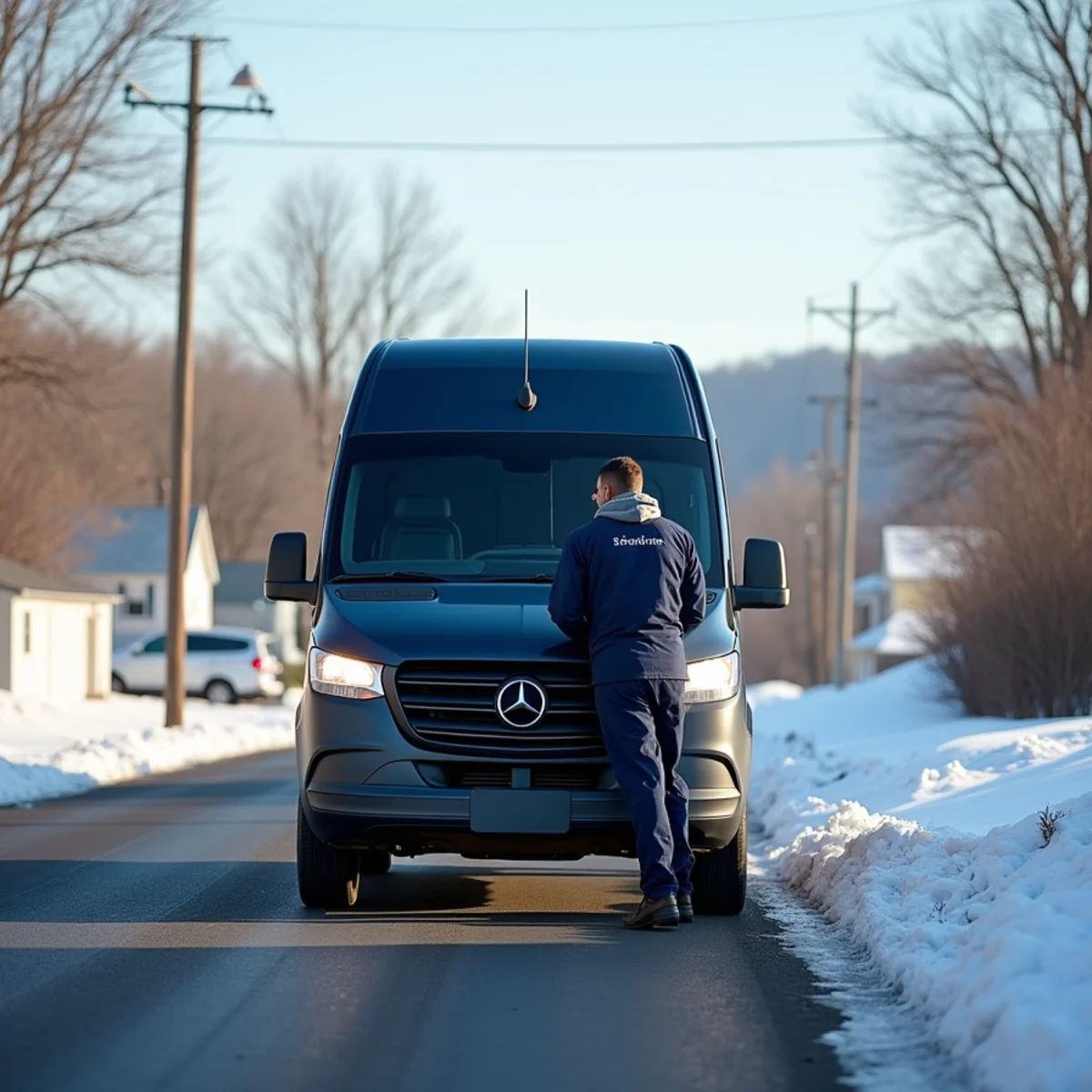
Township · Tier 1 service area
HVAC Services in Middlesex Township, PA
Middlesex Township sits northeast of Carlisle where US-11, I-81, and the Pennsylvania Turnpike interchange converge — the reason this stretch became one of the busiest distribution corridors in the mid-Atlantic. From Beech Street it is eight to fifteen minutes out East High Street or straight up US-11.
Same-day emergency service across Cumberland County 4.9/5 from 214+ reviewsLicensed & insured
- 4.9 ★
- 214+ local reviews
- 18 yrs
- Serving Cumberland County
- 24/7
- Emergency dispatch
- 100%
- Satisfaction guarantee
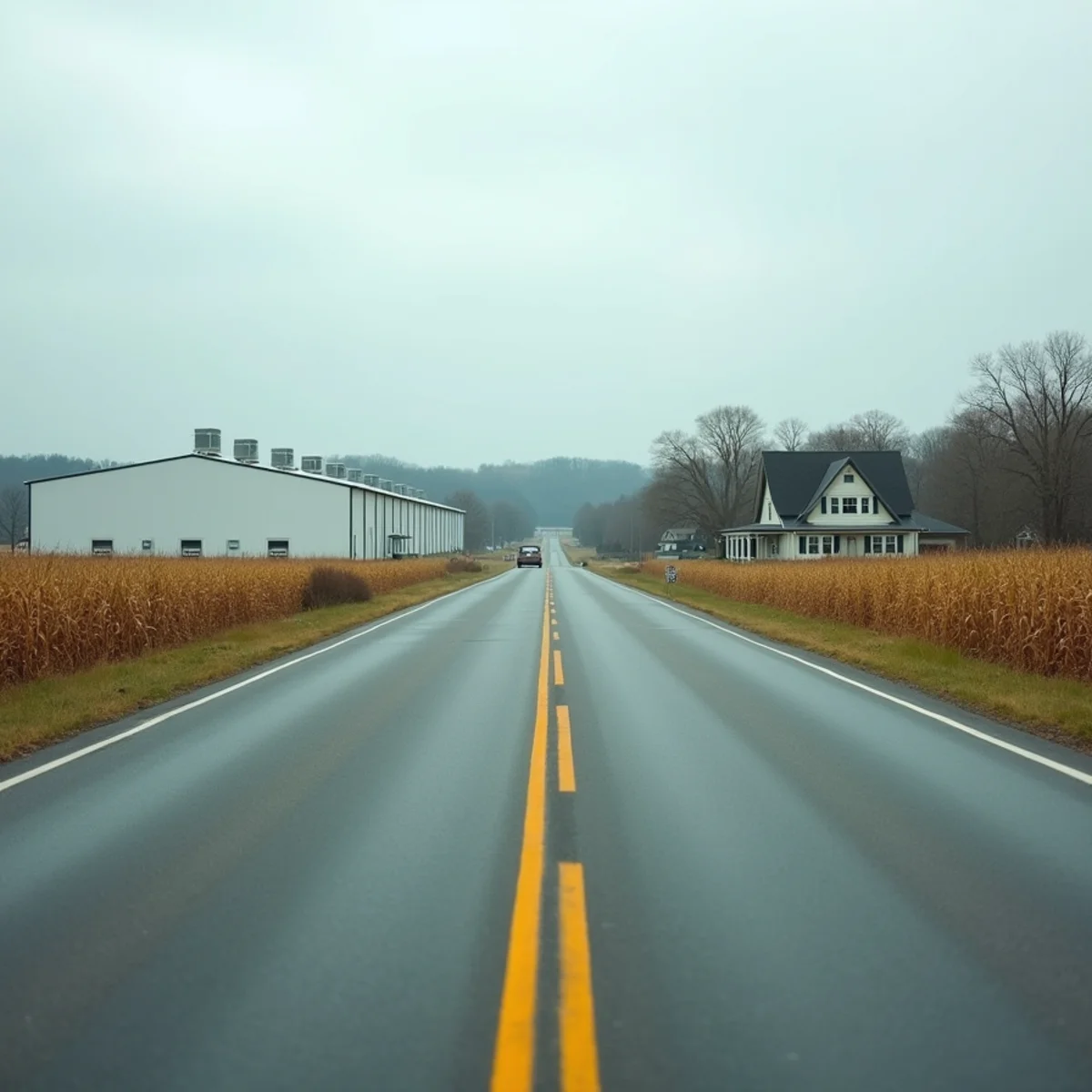
The result is a township with two completely separate HVAC economies operating side by side. There is a large-scale commercial market in the warehouse and distribution buildings that replaced the farmland, and there is a residential market in the farmhouses and older homes that are still here, most of them still on oil.
We work both, and the crossover is genuinely useful: the same technician who understands stratification in a thirty-foot warehouse also understands why a farmhouse two hundred yards away cannot keep its second floor warm.
Warehouses on one side of the road, oil-heated farmhouses on the other
The commercial buildings along the corridor are large-volume spaces conditioned by rooftop units, unit heaters, and make-up air systems. Heating them is a stratification problem first — warm air collects at the ceiling while the people working at floor level stay cold. Destratification fans and correct unit-heater placement typically deliver more comfort per dollar than adding capacity.
The office pods built inside those buildings are their own small systems, and in our experience they generate the majority of the complaints. They are frequently served by a single small split system asked to condition a space with glass on one side and warehouse temperatures on the other.
The residential side is older frame and brick farmhouses, many still on oil, plus a scattering of newer homes. They face the usual rural issues: unconditioned crawlspaces, uninsulated duct runs, aging oil equipment, and second floors that were never properly served.

8–15 minutes northeast on US-11 or East High Street from our shop to Middlesex Township
Same-day emergency service across Cumberland County. Call and describe the symptom — we will tell you honestly whether it needs a truck tonight or a scheduled visit.
Local work: the Miracle Mile and the roads behind it
A distribution building off US-11 called us in April about high utility costs and complaints from the office area. Two of the four rooftop units had economizers seized shut. They had been running mechanical cooling through the entire spring, when 55°F outdoor air would have cooled the space for the cost of a fan.
Rebuilding the economizer linkages and actuators cost a fraction of one month’s excess energy spend. That is the most common finding in commercial work here, and it is only ever found through inspection — nobody calls about it, because the building is not uncomfortable, it is just expensive.
On the residential side we ran a no-heat call in January on a farmhouse behind the corridor where the oil burner had locked out. The tank filter had never been changed and the fuel line had picked up sludge after a cold snap stirred the tank. Filter, nozzle, and a combustion setup, and it ran the rest of the winter.
Two building types on one road, with nothing in common
The US-11 corridor puts large distribution buildings directly across the road from oil-heated farmhouses, and their mechanical problems do not overlap at all. A warehouse is a volume problem with enormous vertical stratification. A farmhouse is an envelope problem with long duct runs.
In a high-bay building, heated air collects at the ceiling where nobody works while the slab stays cold, so the thermostat reads satisfied while the floor is uncomfortable. That is a distribution and destratification issue rather than a capacity one, and adding heat makes the gradient worse.
The farmhouses across the road face the ordinary rural pattern: wind exposure across open ground, ducts running through unconditioned crawlspaces, and oil systems that short-cycle through the coldest weeks.
HVAC services we provide in Middlesex Township
Where commercial money goes, and where residential money goes
On the commercial side the fastest return is almost always in the controls and the economizer rather than in equipment. Economizers that have seized, lost their linkage or been disabled quietly waste a great deal of energy, and inspecting and repairing them is inexpensive relative to what they cost while broken.
Destratification is the second commercial win. Moving the ceiling air down costs far less than adding heating capacity and addresses the actual complaint, which is the temperature at the floor rather than the average across the volume.
On the residential side the sequence is the familiar one: seal and insulate the crawlspace duct runs first, service the oil equipment properly second, and consider replacement third. Being eight to fifteen minutes out keeps both sides of the road within a normal response window.
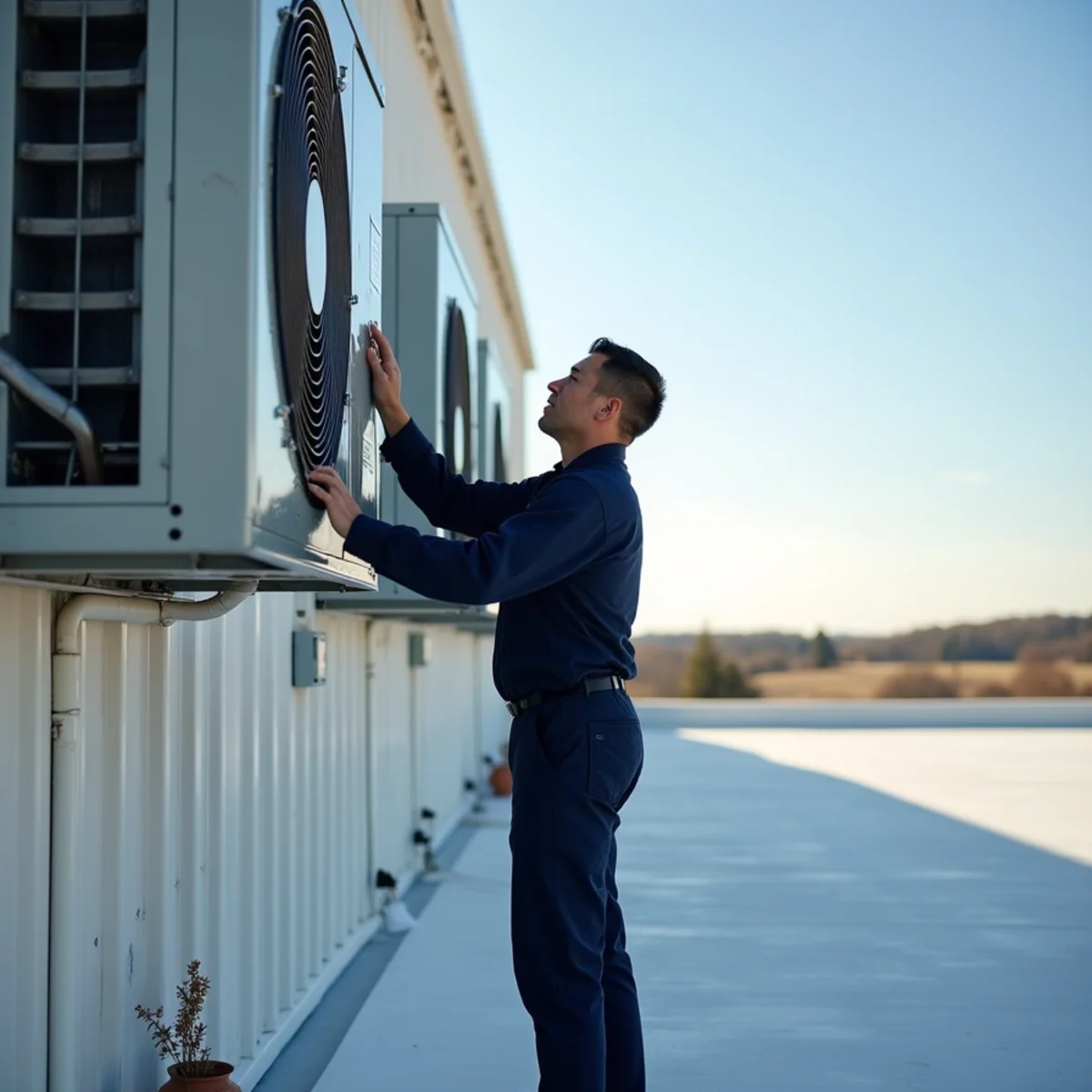
No heat or no cooling in Middlesex Township right now?
A person answers the phone, not an answering service. Tell us the symptom and we will say honestly whether it needs a truck tonight or a scheduled visit — 8–15 minutes northeast on US-11 or East High Street from our Carlisle shop.
Why Middlesex Township residents call us
Both economies on one road
Rooftop units and make-up air on the US-11 distribution buildings, oil burners in the farmhouses behind them. The same technician handles warehouse stratification and a second-floor comfort complaint.
Economizers actually inspected
A stuck-closed economizer runs mechanical cooling through spring and fall while the building stays comfortable, so nobody reports it. We have found them on first inspection more than once here.
Eight to fifteen minutes out
Straight up East High Street or US-11, which matters when a commercial building is losing conditioning with tenants or inventory at risk.
Economizers actually opened and inspected
A seized or disconnected economizer wastes energy silently, and checking it is a fraction of the cost of what it wastes while broken.
Floor temperature, not average temperature
In a high-bay building the number that matters is at the floor, and destratification gets there for far less than added capacity.
18 years serving Cumberland County · 214+ reviews · EPA Section 608 Universal certified technicians · PA Home Improvement Contractor — registration number available on request · 100% satisfaction guarantee on every repair and installation
Middlesex Township HVAC questions
Yes. Rooftop units, unit heaters, make-up air, and the office pods inside them. We inventory every unit by asset tag, log readings so degradation is visible year over year, and provide a capital plan showing projected replacement years for budgeting.
Stratification. Warm air rises to the ceiling of a high-bay space and stays there, doing nothing for people at floor level. Destratification fans and correct unit-heater throw and placement usually solve it far more economically than adding heating capacity, which just puts more warm air at the ceiling.
Check the economizers. A stuck-closed economizer runs mechanical cooling in spring and fall when free outdoor air would do the job, and it produces no comfort complaint — so nobody reports it. It is the single highest-return commercial finding we make, and it only turns up on inspection.
Yes. A number of the older farmhouses behind the corridor are still oil-fired, and we stock nozzles, filters, cad cells, and electrodes through the heating season. We set combustion with an analyzer and leave you the printout.
Because warm air rises and a high-bay building gives it a long way to go. The heat you are paying for collects at the roof deck where nobody is working, while the slab stays cold and continues to draw heat out of the space at floor level. A thermostat mounted at a normal height reads a temperature that reflects neither. Adding capacity pushes more heat to the ceiling and widens the gradient. Destratification fans and correcting the discharge arrangement bring that air back down, and they cost considerably less than more heating.
Have the economizers inspected and repaired, then look at scheduling. Economizers are supposed to use cool outside air instead of mechanical cooling when conditions allow, and on rooftop units of a certain age they are very commonly seized, disconnected or wired out because they once caused a nuisance. A unit in that state runs the compressor on days it did not need to. Repairing the linkage and sensors is inexpensive, and pairing it with a schedule that matches your actual occupancy usually delivers more saving than any equipment change.
Nearby areas we also serve
Our service area
HVAC Carlisle PA dispatches from 122 Beech St, Carlisle, PA 17013. Middlesex Township is 8–15 minutes northeast on us-11 or east high street.
HVAC service in Middlesex Township — call +1 (327) 210-5999
Same-day emergency service across Cumberland County. Licensed, insured technicians dispatched from our Carlisle shop, with written options before any work begins.
214+ reviews · 18 years local · Licensed & insured · 100% satisfaction guarantee on every repair and installation
HVAC Carlisle PA122 Beech St, Carlisle, PA 17013
+1 (327) 210-5999