
High priority service · Carlisle, PA
Heat Pump Installation & Repair in Carlisle, PA
Heat pumps have changed. The units that gave central Pennsylvania a bad reputation in the 1980s ran out of capacity around 35°F and handed the job to expensive electric strips. Modern cold-climate inverter equipment holds usable capacity down into the single digits.
Same-day emergency service across Cumberland County 4.9/5 from 214+ reviewsLicensed & insured
- 4.9 ★
- 214+ local reviews
- 18 yrs
- Serving Cumberland County
- 24/7
- Emergency dispatch
- 100%
- Satisfaction guarantee
That does not mean every Carlisle house should have one. It means the design has to be honest about a 21°F normal January low, colder on a clear night when cold air pools on the valley floor, and about what happens when the system goes into defrost at 6 a.m. in a sleet event.
We install and service air-source heat pumps and dual-fuel systems across Cumberland County, and we specialize in the conversion case: propane and oil houses through Dickinson, South Middleton, and West Pennsboro Township where fuel delivery costs have made electric heat worth a serious look.
Heat pump problems we get called for
- Auxiliary or emergency heat light on constantly, with an electric bill to match
- Outdoor unit iced over and not clearing itself — a defrost control, sensor, or reversing valve issue
- Cool air from the registers in heating mode, which is normal at 95°F supply but not at 80°F
- Loud whoosh and a brief cold blast every hour or so — that is defrost, and it is usually normal
- System heats but never cools, or cools but never heats — typically a stuck reversing valve
- Short cycling on mild days, which often means an oversized single-stage unit
- A first-generation Heatherlands or Silver Spring heat pump from the 1990s that simply cannot keep up anymore
Recognise any of these? Do not wait for it to get worse.
Same-day emergency service across Cumberland County. Licensed technicians, 214+ local reviews, and written options before any work starts.
Designing for a Cumberland Valley winter
The number that matters is capacity at design temperature, not the nameplate tonnage. A cold-climate unit rated at 3 tons of cooling might deliver 70–80% of its rated heating capacity at 17°F and less below that, so we build the design around published capacity tables at the temperatures we actually see.
Then we answer three questions in writing before you buy. What is the balance point where the heat pump alone stops covering the load? What carries the house below that — electric strips, an existing gas or propane furnace in a dual-fuel configuration, or a modulating unit that simply runs longer? And what will that cost to run on the coldest ten days of the year?
Dual-fuel is often the right answer in Carlisle. The heat pump handles October through December and March through May, which is most of the heating season, and the furnace takes the deep cold. Set up correctly with an outdoor thermostat and a proper switchover point, you get the efficiency without the January anxiety.
Defrost is not a malfunction
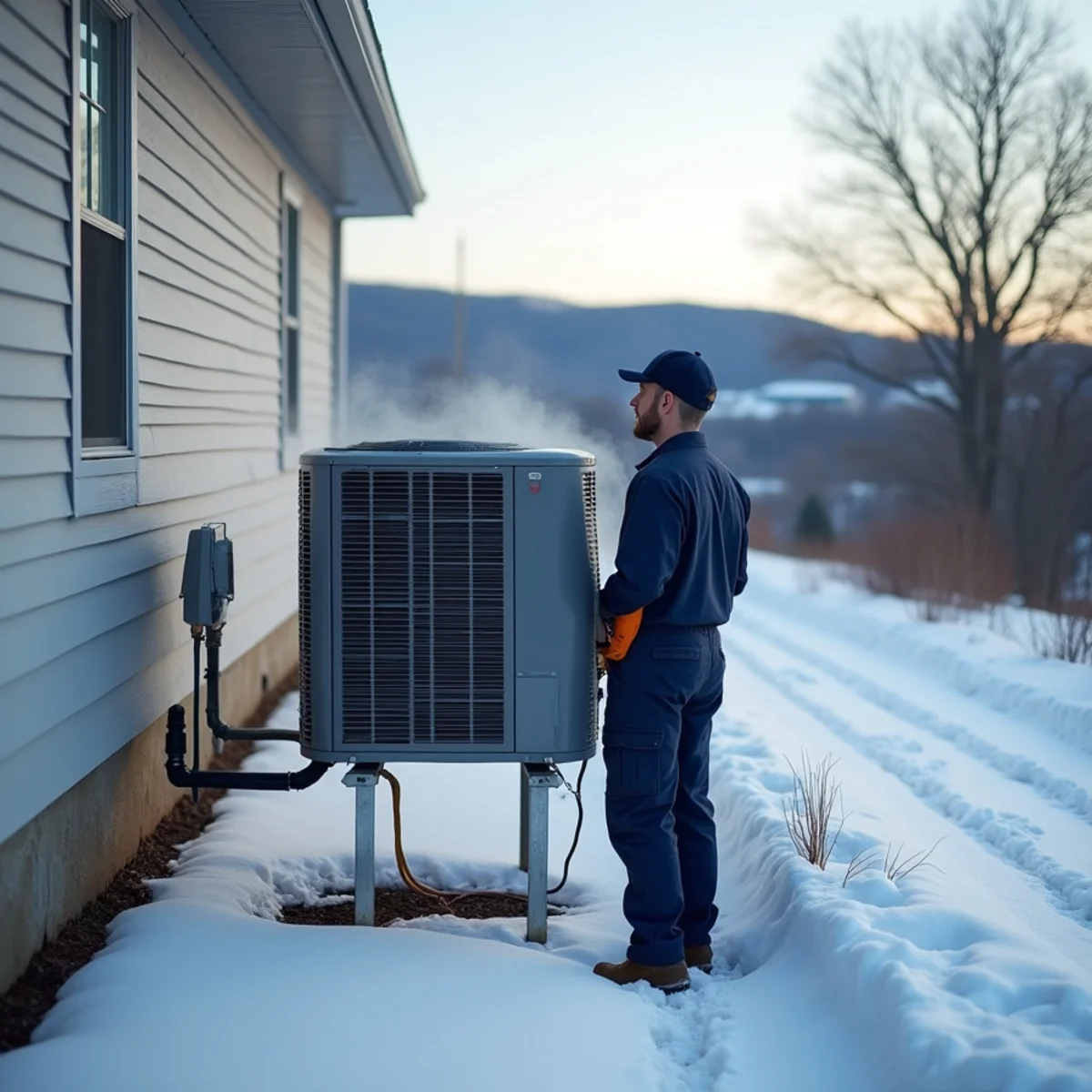
Every air-source heat pump builds frost on the outdoor coil in cold, damp weather. To clear it, the system briefly reverses into cooling mode, warms the outdoor coil, and runs backup heat indoors so you do not feel a cold draft. You will hear a whoosh, see steam off the outdoor unit, and the cycle takes a few minutes.
What is not normal: a unit encased in ice that never clears, defrost cycles every fifteen minutes, or a solid ice slab under the unit. Those point to a failed defrost board or sensor, a reversing valve problem, low charge, or a drainage issue where meltwater refreezes because the unit sits too low to the ground.
Mounting height matters here. We set outdoor units on risers rather than a slab on grade, so meltwater and drifting snow do not build a shelf of ice under the coil during a Carlisle freeze-thaw week.
Converting from propane or oil
Through Dickinson Township, South Middleton, Penn Township, and the farm country west toward Newville, there are no gas mains, so heat means an oil tank or a propane lease. When delivery prices spike, homeowners start asking about heat pumps, and often the math genuinely works.
The catch is electrical service. A whole-house heat pump with strip backup can need substantially more capacity than the existing 100-amp panel has left. We check the panel, the service entrance, and the load calculation before quoting, because discovering a service upgrade after the fact is exactly the kind of surprise we refuse to hand people.
A common middle path we recommend: keep the existing oil or propane furnace as backup and add a heat pump in a dual-fuel configuration. Lower electrical demand, no stranded equipment, and you keep heat if the power goes out and you have a generator sized for the furnace.
Repair work on existing heat pumps
- Defrost board, defrost sensor, and outdoor thermostat diagnosis
- Reversing valve testing and replacement
- Inverter and communicating-control fault diagnosis on modern variable-speed equipment
- Auxiliary heat sequencing — a very common misconfiguration that quietly doubles winter bills
- Refrigerant charge verification, which on a heat pump must be checked with the correct seasonal method
- Airflow and static pressure, since heat pumps are far less forgiving of restricted ducts than furnaces
Auxiliary heat, and why it decides your January bill
Every heat pump installed here has backup heat, and how it is configured matters more to your running cost than the efficiency rating of the equipment does. Electric resistance backup delivers heat at roughly a third of the efficiency the heat pump manages in mild conditions, so every hour it runs unnecessarily is money.
The most common fault we find is not mechanical. It is a control configured so that auxiliary heat energises on any call for recovery, or during every defrost cycle, rather than only below the balance point where the heat pump genuinely cannot keep up. That is a settings problem and correcting it costs a visit.
- Balance point calculated for your house and elevation, not taken from a default
- Auxiliary lockout set so backup cannot run above that temperature
- Staging and recovery configured so a setback does not trigger strip heat every morning
- Defrost strategy checked, since backup during defrost is normal but should be brief
- Outdoor sensor verified, because an inaccurate one drives all of the above wrong
What a heat pump actually costs to run here, honestly
A heat pump does not have one efficiency, it has a curve. It performs extremely well in the mild conditions that make up the large majority of a Cumberland Valley heating season, and its output and efficiency both fall as the outdoor temperature drops toward the design minimum.
That is why the honest comparison against propane or oil is not a single number. It is the cost per delivered BTU across the actual distribution of temperatures in a local heating season, weighted by how many hours fall into each band. We run that using your own delivery tickets and your actual electric rate.
Done properly, the answer here is usually favourable to a heat pump for most of the season and unfavourable at the coldest end, which is exactly why dual-fuel exists and why we recommend it as often as we do. It is not a hedge, it is the arrangement the arithmetic points to.
Our heat pump process
- 1
Load and electrical assessment
Heating and cooling loads, panel capacity, existing duct static pressure, and the fuel you are coming from.
- 2
Capacity modeling
Published capacity at 47°F, 17°F, and 5°F against your load, with the balance point identified in writing.
- 3
Backup strategy
Strips, dual-fuel with the existing furnace, or a new furnace — with honest operating-cost comparisons.
- 4
Installation
Riser-mounted outdoor unit, matched indoor equipment, line set, controls, and permit handling.
- 5
Commissioning
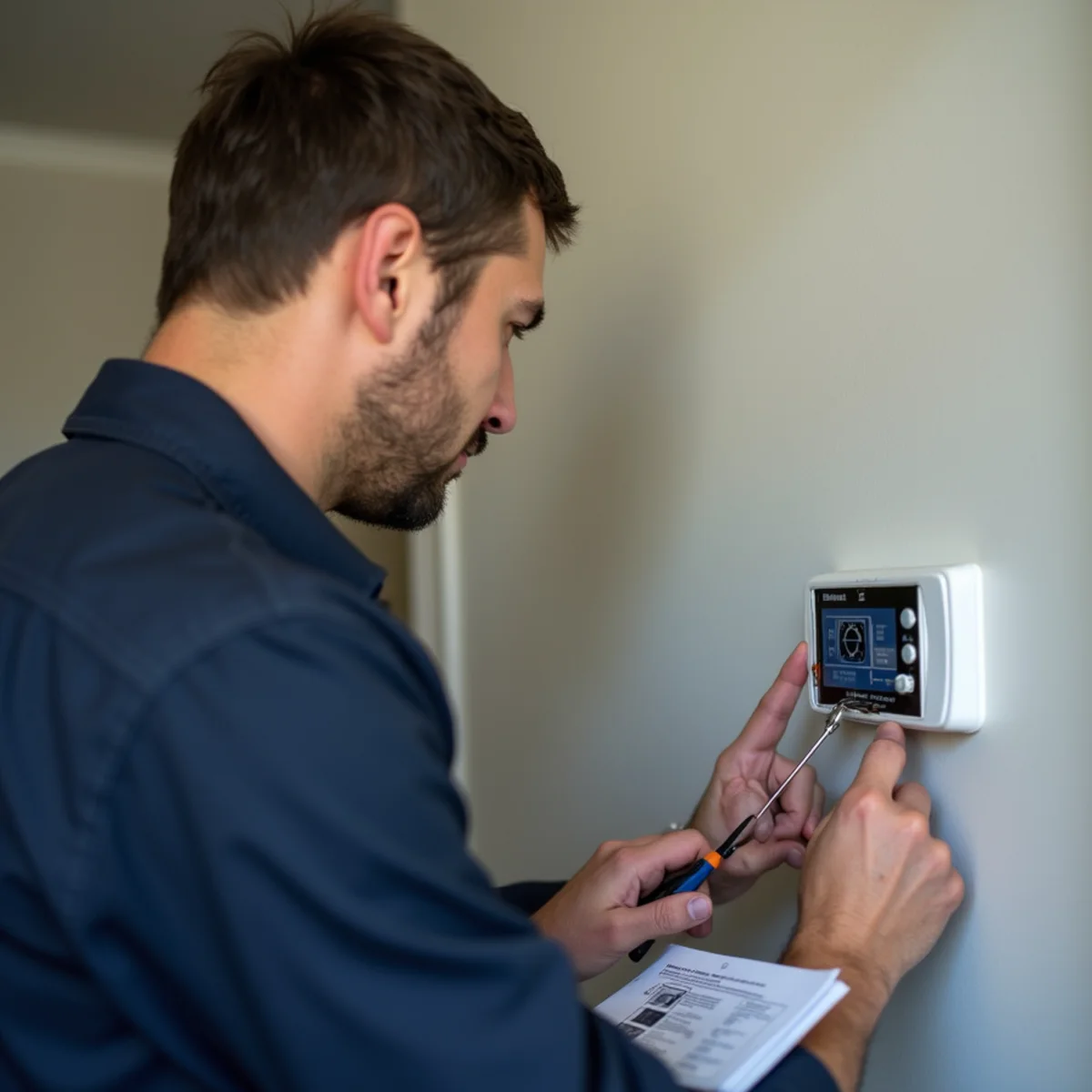
Charge verified, airflow measured, defrost cycle observed and timed, staging and lockouts configured.
- 6
Winter walkthrough
We show you what normal defrost looks and sounds like so the first cold snap is not alarming.
What drives heat pump project cost
We do not publish flat prices, because a price without a diagnosis is a guess. What we can do is tell you exactly what moves the number so you can compare quotes on scope rather than on a headline figure.
- Single-stage versus two-stage versus cold-climate inverter equipment
- Whether the project is dual-fuel with an existing furnace or a full electric conversion with strip backup
- Electrical service capacity and whether a panel or service upgrade is required
- Duct condition — heat pumps deliver lower supply temperatures and need the airflow to be right
- Line-set routing and outdoor unit placement, including riser height for snow and meltwater clearance
- Removal and disposal of an oil tank or propane equipment if you are decommissioning it
- Available federal tax credits and utility rebates, which change annually and which we help you document
A note on the ranges we quote elsewhere on this site
Any dollar figures published here are Pennsylvania statewide planning proxies for budgeting purposes — not confirmed Carlisle quotes. Final pricing requires a site assessment, and we put every line item in writing before you approve anything.

Why Carlisle homeowners pick us for heat pumps
Balance point in writing
Published capacity at 17°F and 5°F against your calculated load, the temperature where the heat pump stops covering the house, and what carries it below that. Not a nameplate tonnage and a handshake.
We check the panel first
Strip backup draws serious amperage. On rural 100-amp services we find out before you sign, not after — and where the service will not support a full conversion we say so and price dual-fuel instead.
Riser-mounted as standard
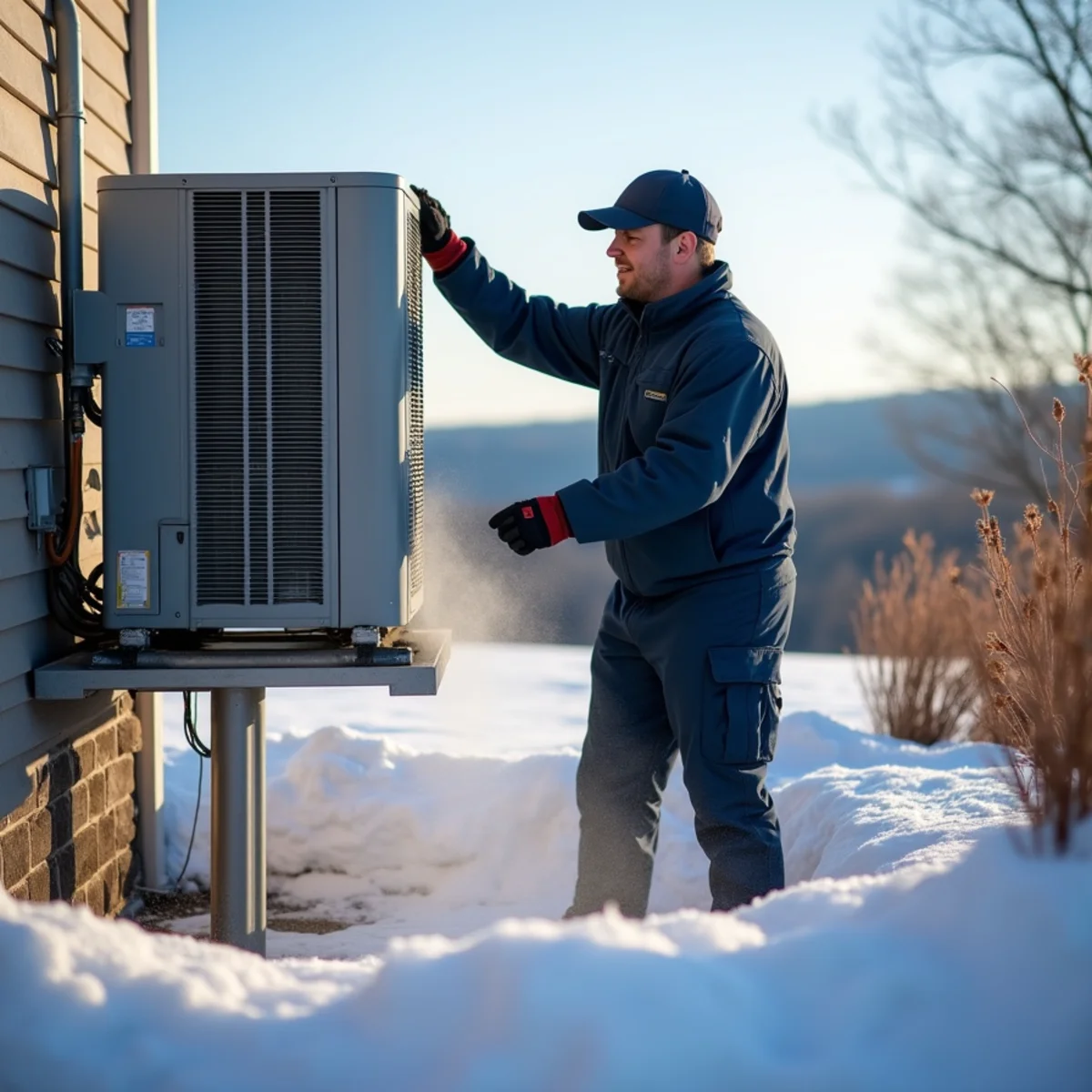
Outdoor units go on stands with clear space underneath so defrost meltwater drains instead of building an ice shelf under the coil during a Carlisle freeze-thaw week.
Auxiliary heat configured properly
Misconfigured staging runs electric strips whenever the thermostat drifts a degree. Correcting it is often the single biggest winter bill reduction we deliver, with no equipment change at all.
Backup heat configured, not just connected
Auxiliary lockout, staging and recovery settings decide your January bill more than the equipment rating does, and most are left on defaults.
18 years serving Cumberland County · 214+ reviews · EPA Section 608 Universal certified technicians · NATE-certified service technicians · PA Home Improvement Contractor — registration number available on request · 100% satisfaction guarantee on every repair and installation
Where we provide heat pumps
Heat pump work splits two ways across our service area. In Heatherlands and the 1990s Silver Spring Township developments we are replacing first-generation units that are all reaching end of life together.
In Dickinson Township, South Middleton, West Pennsboro and Penn Township we are converting from propane and oil, usually to dual-fuel so the existing furnace carries the coldest nights. Up toward Gardners and the South Mountain edge the design temperature is colder again, and we size for that specifically rather than for the valley floor.
Frequently asked: heat pumps in Carlisle
Modern cold-climate models do. They hold usable capacity well below freezing, which covers the large majority of the central Pennsylvania heating season. The design still has to account for a normal January low around 21°F and colder nights when cold air settles on the valley floor, which is what the balance point and backup-heat plan are for.
A heat pump paired with a gas, propane, or oil furnace. The heat pump handles mild and moderate weather, and below a set outdoor temperature the control switches to the furnace. You get heat pump efficiency for most of the season and full furnace output on the coldest nights. It is often the best fit for Carlisle homes that already have a serviceable furnace.
Heat pump supply air runs around 90–105°F, which is cooler than the 120–140°F a furnace delivers, so it can feel cool against your skin even while it is heating the house properly. Genuinely cold air with the outdoor unit steaming is a defrost cycle and lasts a few minutes. Persistent cold air with auxiliary heat running constantly is a fault worth diagnosing.
Often yes, especially where delivered fuel prices are high. The two things to verify first are electrical service capacity — strip backup draws serious amperage — and duct condition, since heat pumps need proper airflow. Where the panel will not support a full conversion, keeping the existing furnace as dual-fuel backup is usually the smarter and cheaper project.
Federal energy-efficiency tax credits and utility incentive programs have applied to qualifying high-efficiency heat pumps, but the amounts, equipment criteria, and program availability change from year to year. We identify what your specific equipment qualifies for at the time of your quote and provide the model and efficiency documentation you need to claim it — we do not promise a credit amount we cannot verify.
Usually configuration rather than a fault. Auxiliary heat should only energise below the balance point, the temperature at which the heat pump can no longer meet the load on its own, plus briefly during defrost. What we commonly find instead is a control that calls for backup on any recovery from a setback, or one with no lockout at all, so strip heat runs on mild mornings when the heat pump could have handled it easily. Correcting the lockout and staging settings is inexpensive and shows up on the next bill.
Less aggressively than you would a furnace, and this is where good intentions cost money. A furnace can recover from a deep setback quickly at its normal efficiency. A heat pump recovering from a deep setback often cannot keep up on its own, so the control brings in electric backup heat to catch up, and you spend more on the recovery than the setback saved. A modest setback of a couple of degrees is usually fine. If you want a larger one, it needs a control with intelligent recovery that ramps the heat pump early rather than calling for strip heat.
Related services
Often needed alongside heat pumps
AC Installation
Load-calculated central air sized for latent load — so the house is dry at 75°F, not clammy at 72°F.
Learn moreOil-to-Gas Conversion
Fuel conversion done end to end — gas service coordination, venting, tank decommissioning, and honest payback math.
Learn moreDuctless Mini-Splits
Cooling and heating for houses with no ductwork — installed without cutting chases through 19th-century plaster.
Learn moreFurther reading
Guides on this topic
- Heat Pump Cost in Carlisle, PA: Rebates & Tax Credits ExplainedThe real cost drivers, why the electrical panel is often the deciding factor, and how to document incentives without being promised a number.
- Heat Pump Defrost Mode: What's Normal in a Cumberland County WinterSteam, a whoosh, and a brief cold draft are normal. A unit encased in ice is not. Here is the line between them.
Carlisle neighborhoods we serve
Need heat pumps in Carlisle?
Same-day emergency service across Cumberland County. Call and speak to someone who can dispatch a licensed technician, or request a free written estimate and we will call you back.
214+ reviews · 18 years local · Licensed & insured · 100% satisfaction guarantee on every repair and installation
HVAC Carlisle PA122 Beech St, Carlisle, PA 17013
+1 (327) 210-5999