
Medium priority service · Carlisle, PA
Indoor Air Quality Solutions in Carlisle, PA
Indoor air quality is the easiest area of our trade to sell nonsense in, so we approach it the boring way: measure first, then fix the specific problem the measurement found.
Same-day emergency service across Cumberland County 4.9/5 from 214+ reviewsLicensed & insured
- 4.9 ★
- 214+ local reviews
- 18 yrs
- Serving Cumberland County
- 24/7
- Emergency dispatch
- 100%
- Satisfaction guarantee
In Carlisle that usually means humidity. Summer dewpoints on the valley floor push indoor relative humidity past 60% in houses with basements, crawlspaces, or creek-side lots along the Conodoguinet and Yellow Breeches. Winter runs the opposite extreme — heating 21°F outdoor air can drop indoor humidity into the teens, which cracks plaster and trim in older homes and makes everyone miserable.
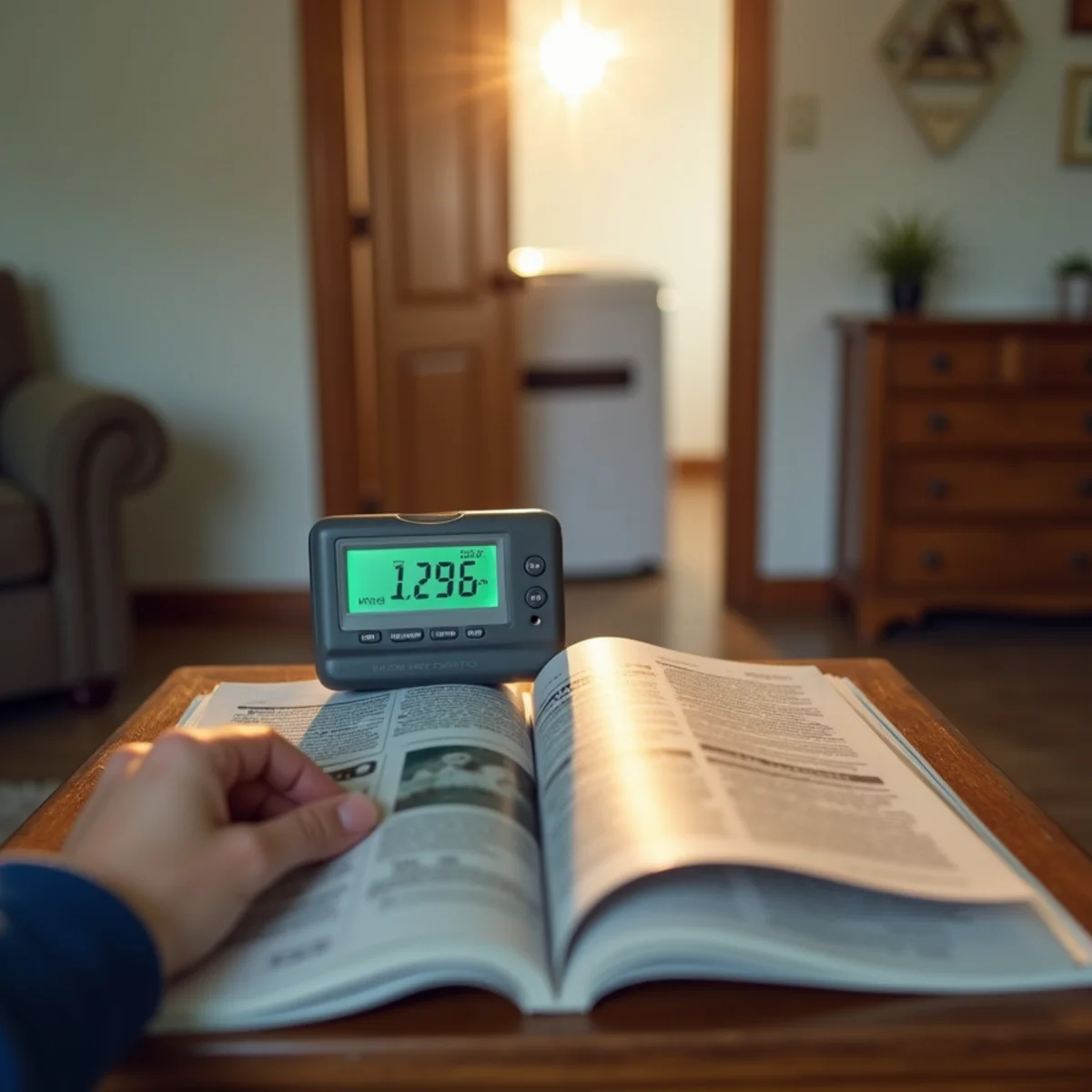
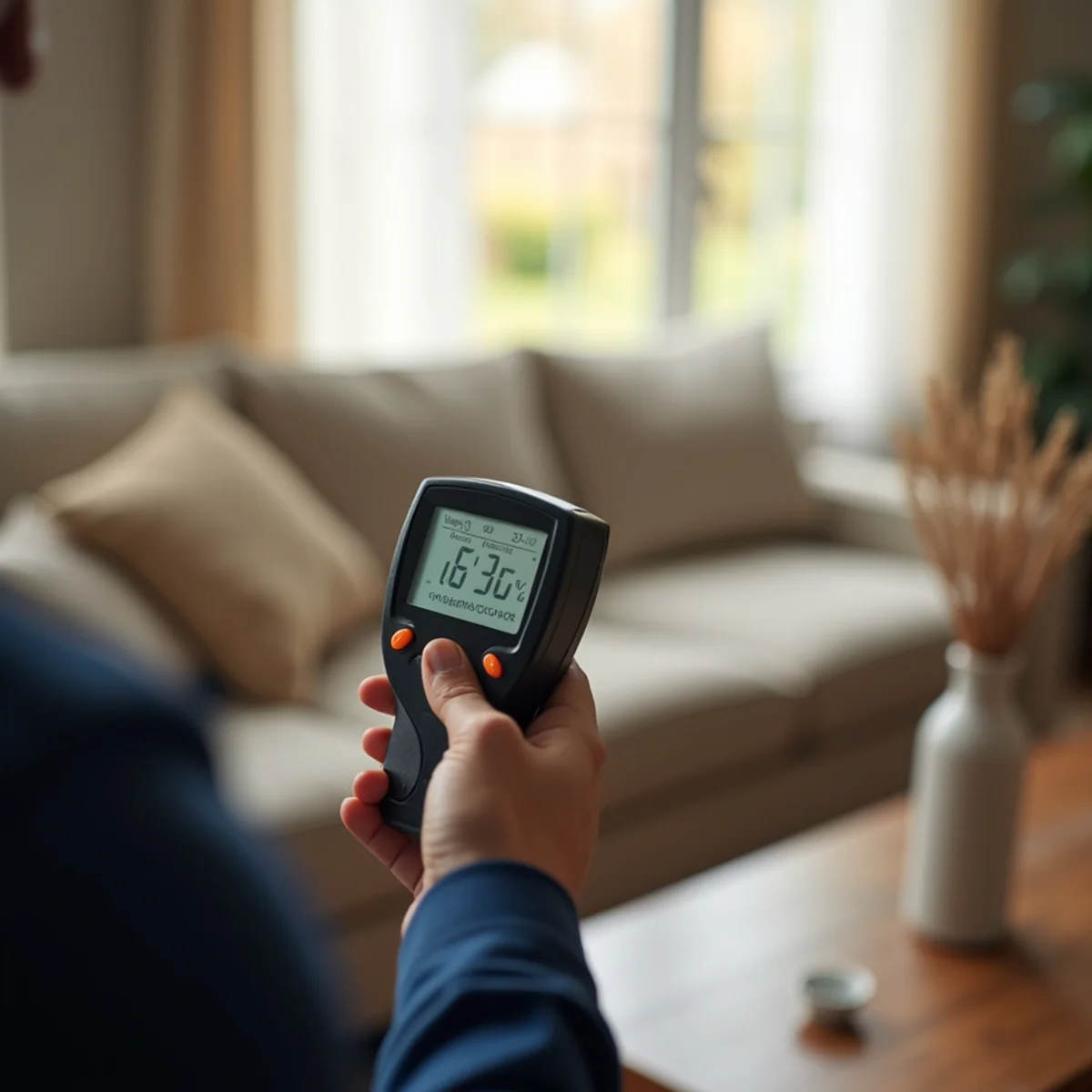
EPA guidance puts the healthy range at 30–50% relative humidity, and below 60% at all times. That is the target we work toward, and it is a number you can verify yourself for about fifteen dollars with a hygrometer.
Symptoms that point to an air quality problem
- A damp, musty smell in the basement or on the lowest floor from June through September
- Condensation on windows, cold-water pipes, or ductwork in summer
- Visible mold on basement walls, joists, or stored items
- Winter static shocks, cracking trim, gaps opening in hardwood, and dry sinuses
- Dust that reappears within days of cleaning
- Allergy or asthma symptoms that are noticeably worse indoors
- Cooking, pet, or musty odors that linger for hours
- Filters loading up dramatically faster than they should
Recognise any of these? Do not wait for it to get worse.
Same-day emergency service across Cumberland County. Licensed technicians, 214+ local reviews, and written options before any work starts.
Humidity: the Carlisle problem in both directions
Summer first. When an air conditioner is oversized, it satisfies the thermostat quickly and shuts off before the coil has run long enough to condense meaningful moisture out of the house. You end up at 72°F and 62% relative humidity, which feels clammy and encourages mold and dust mites.
The instinct is to buy a bigger air conditioner. That is exactly backwards — more capacity means shorter cycles and less dehumidification. The real fixes are blower speed adjustment, proper staging, duct sealing, coil and drain service, and where the load genuinely calls for it, a whole-home dehumidifier ducted into the return.
Winter is the mirror image. Air at 21°F holds almost no moisture; bring it inside and heat it to 70°F and relative humidity collapses. In the plaster-walled houses around the Historic District and Mooreland this is not just discomfort — it opens joints in trim and cracks plaster. A properly sized bypass or steam humidifier tied to the furnace, controlled by an outdoor-reset humidistat so you do not fog the windows, brings it back into range.
Filtration, without the mythology
A filter has to do two things: capture particles and let the blower move air. Those goals fight each other, and pushing a high-MERV filter into a system designed for a cheap one-inch panel restricts airflow badly enough to freeze coils and trip limits.
The right answer for most Carlisle homes is a 4- or 5-inch media cabinet in the return. It offers far more surface area, so it captures more while dropping less pressure, and it needs changing once or twice a year instead of monthly.
We measure static pressure before and after any filtration change. If the numbers do not support the filter you want, we will tell you and propose a cabinet upgrade instead of quietly installing something that will damage your equipment.
- MERV 8 — basic protection for the equipment, minimal restriction
- MERV 11–13 — meaningful capture of pollen, mold spores, and fine dust; the practical sweet spot in a proper media cabinet
- HEPA bypass units — genuine high-efficiency filtration for households with serious allergy or immune concerns, installed as a separate loop so system airflow is not compromised
- UV lights — reasonable for keeping coil and drain-pan surfaces clean; not a substitute for filtration, and we will not sell one as an air purifier
Ventilation in a tightened-up house
The older housing stock in Carlisle used to breathe through its leaks. As people insulate, replace windows, and air-seal, those houses get tighter and moisture, odors, and CO2 begin to accumulate.
For a genuinely tight house, balanced mechanical ventilation is the answer — an ERV or HRV that brings in fresh air and exhausts stale air while recovering most of the energy. In our climate an ERV, which transfers some moisture as well as heat, usually suits the summer humidity better.
For most older Carlisle homes, though, honest advice is that they are still leaky enough not to need one. We measure before recommending, and we would rather tell you your house already breathes fine than sell you equipment.
Basements, crawlspaces, and creek-side lots
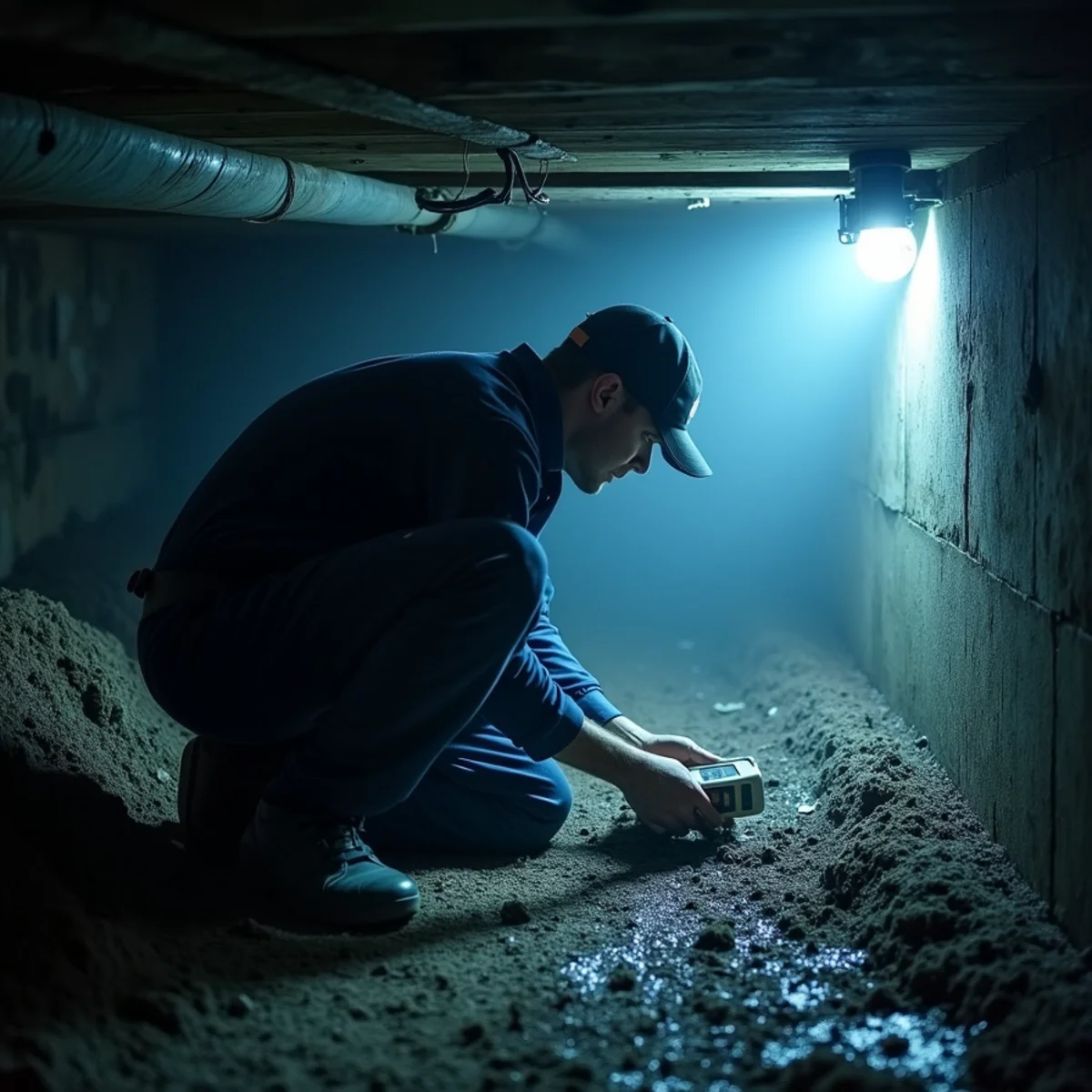
Houses in the Conodoguinet floodplain in North Middleton, along Mountain Creek in Mount Holly Springs, and around Children’s Lake in Boiling Springs have a moisture load that starts in the ground rather than the air.
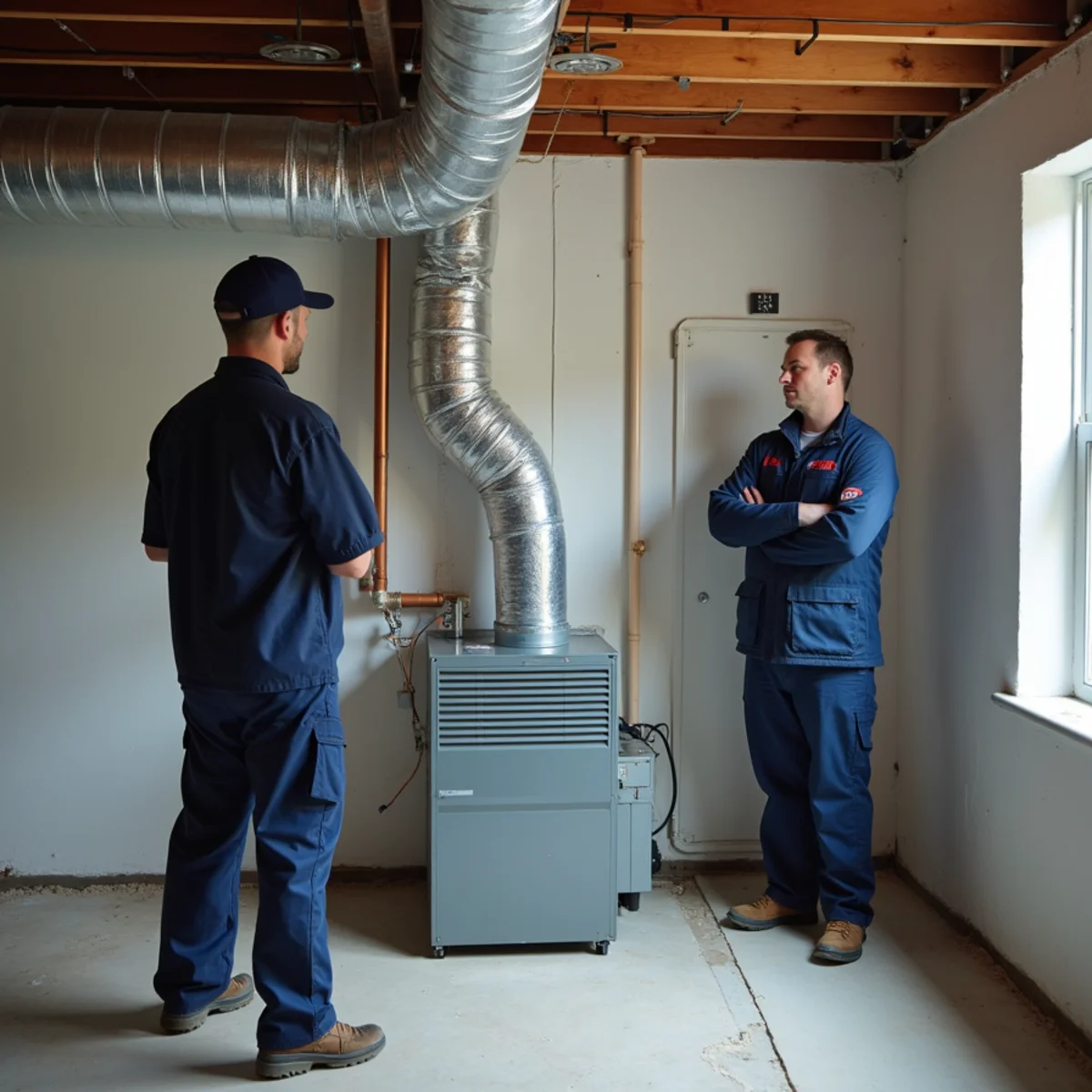
Air conditioning alone will not fix it because the basement is not part of the cooled space in most of these houses. A dedicated basement or crawlspace dehumidifier with a condensate pump and a hard-piped drain is the equipment answer, usually alongside encapsulation or vapor-barrier work.
We also raise equipment. Anything in a flood-prone basement — furnace, air handler, dehumidifier — should sit on a platform above the historical high-water line, not on the slab.
Source control comes before filtration, every time
The most effective air quality work removes the source rather than filtering the result, and it is almost always cheaper. A damp crawlspace generating mould spores, an attached garage leaking exhaust into the house, a bathroom fan venting into a soffit instead of outside, an unvented combustion appliance: each of those is a source, and no filter in the return duct addresses any of them properly.
Filtration matters and it comes second. It is very good at capturing particulate that is already airborne and doing nothing at all about gases, odours or moisture, which is why a house with a source problem gets steadily better filters and stays unpleasant.
That order also protects your equipment. Restricting airflow with a dense filter to compensate for a source you have not addressed raises static pressure, cuts capacity and shortens equipment life, so you end up paying twice for a problem that was never a filtration problem.
- Moisture at the source: crawlspaces, basements, and drainage before anything else
- Combustion appliances tested, and any spillage corrected
- Exhaust fans confirmed to terminate outside, not into a soffit or attic
- Attached garage sealed from the living space and never used as return air
- Then filtration, matched to what the duct system can actually carry
What we can measure, and what a reading actually tells you
Air quality gets sold on impressions, so it is worth being clear about what is genuinely measurable on a service visit and what is not. Temperature, relative humidity and dew point we measure directly and they explain most comfort and mould complaints. Carbon monoxide and combustion performance we measure with a calibrated analyser. Static pressure tells us what the duct system can carry and therefore what filtration is realistic.
Carbon dioxide is a useful proxy for whether a house is getting enough fresh air, since it tracks occupancy and ventilation rather than pollution as such. Elevated readings point at ventilation rather than filtration.
What a service visit does not do is identify specific mould species or quantify volatile organic compounds to a laboratory standard. Where a genuine health question is involved, that is testing by an accredited laboratory or an industrial hygienist, and we will tell you that rather than selling you equipment against a problem nobody has actually characterised.
How an air quality assessment runs
- 1
Measure
Relative humidity in multiple rooms and the basement, temperature, and static pressure across the system.
- 2
Inspect
Coil, drain pan, condensate path, filter cabinet, ducts, and any visible moisture or mold.
- 3
Identify the source
Ground moisture, envelope leakage, poor AC runtime, plumbing, or ventilation — the cause determines the equipment.
- 4
Recommend in order of return
Cheapest effective fix first. Frequently that is a drain repair or a blower speed change, not new equipment.
- 5
Install and integrate
Ducted, drained, wired, and controlled properly rather than set on the floor with a hose.
- 6
Verify
We come back and re-measure. If the humidity number did not move, the job is not finished.
What affects IAQ project cost
We do not publish flat prices, because a price without a diagnosis is a guess. What we can do is tell you exactly what moves the number so you can compare quotes on scope rather than on a headline figure.
- Equipment type — media cabinet, humidifier, dehumidifier, HEPA bypass, UV, or ERV/HRV
- Capacity, especially on dehumidifiers where pints-per-day sizing must match the actual load
- Ducting and integration work required to tie the equipment into the existing system
- Drain routing and whether a condensate pump is needed
- Electrical work and control wiring
- Whether duct sealing or return-air modification is part of the fix
- Basement or crawlspace access conditions
A note on the ranges we quote elsewhere on this site
Any dollar figures published here are Pennsylvania statewide planning proxies for budgeting purposes — not confirmed Carlisle quotes. Final pricing requires a site assessment, and we put every line item in writing before you approve anything.
Why Carlisle homeowners pick us for indoor air quality
We measure before we sell
A hygrometer reading in the room you are unhappy with decides whether you have a moisture problem at all. If it reads 48%, a dehumidifier is not your answer and we will tell you.
Cheapest effective fix first
Frequently that is clearing a condensate drain, cleaning a coil or changing a blower speed — not equipment. We work down that list before quoting anything.
Honest about UV
A coil-mounted lamp keeps the evaporator and drain pan clean, which is worth something in a humid basement. As a whole-house air purifier the marketing outruns the evidence, and we will not sell it as one.
Static pressure before MERV
A high-MERV filter in a slot built for a cheap panel freezes coils and trips limits. We measure before changing filtration and propose a media cabinet when the numbers demand it.
Clear about the limits of what we measure
Humidity, combustion and static pressure we measure properly; species-level mould and lab-grade VOC testing is somebody else’s job and we say so.
18 years serving Cumberland County · 214+ reviews · EPA Section 608 Universal certified technicians · NATE-certified service technicians · PA Home Improvement Contractor — registration number available on request · 100% satisfaction guarantee on every repair and installation
Where we provide indoor air quality
Humidity work concentrates near water. The Conodoguinet floodplain through North Middleton Township, Children's Lake in Boiling Springs, the Yellow Breeches valley in Monroe Township and the riverfront sections of East Pennsboro all generate the same musty-basement call every June.
Crawlspace properties are the other cluster — much of the rural county, from Plainfield and West Pennsboro out toward Newville. There the moisture starts in the ground, and encapsulation plus dedicated dehumidification does what no amount of air conditioning will.
Frequently asked: indoor air quality in Carlisle
EPA guidance recommends 30–50% relative humidity, staying below 60% at all times. Below 30% in winter causes dry sinuses and damages plaster and wood trim. Above 60% in summer promotes mold and dust mites. A fifteen-dollar hygrometer will tell you where you actually stand, which is where any honest conversation starts.
No — it will make it worse. Moisture is removed only while the coil is cold and running, and an oversized system reaches setpoint quickly and shuts off before much condensation occurs. The fixes are longer runtime through proper sizing and staging, blower speed adjustment, duct sealing, and where genuinely needed, a whole-home dehumidifier.
You might if your basement smells musty every summer, you get condensation on pipes or windows, or your measured relative humidity stays above 60% while the AC is running. Houses in the Conodoguinet floodplain and along Mountain Creek and the Yellow Breeches are the most common candidates. We measure first — sometimes a blocked condensate drain or a blower speed change solves it for a fraction of the cost.
For keeping the evaporator coil and drain pan surfaces free of biological growth, a coil-mounted UV lamp is a reasonable and modest investment, especially in humid basements. As a whole-house air purifier, the marketing outruns the evidence. We will install one for what it actually does and we will not sell it as something it is not.
The best filter your system can breathe through. A MERV 11–13 media filter in a 4- or 5-inch cabinet is the sweet spot for most homes — good capture, low pressure drop, changed once or twice a year. Forcing a high-MERV one-inch filter into a system built for a cheap panel restricts airflow badly enough to freeze coils. We measure static pressure before changing anything.
Only if the problem is airborne particulate, and often it is not. Filters do nothing about humidity, gases, odours or the source generating them, so a damp basement or an exhaust fan venting into the attic will keep producing the same complaint behind any filter you fit. There is also a cost to guessing: a denser filter on a duct system that cannot carry it raises static pressure, reduces airflow and shortens equipment life. We measure static pressure first to establish what filtration the system can actually support, then deal with sources before spending anything on media.
Start below. In this area the usual source is a crawlspace or basement where humid summer air is condensing on cool surfaces, and the smell reaches the living space through duct leakage and normal air movement long before anything is visible upstairs. Measure the relative humidity down there rather than trusting how it feels; anything sustained above about 60 percent supports mould growth. Other common sources are a condensate drain pan that is not draining, a bathroom fan terminating in a soffit, and duct runs in a damp space drawing that air in through unsealed joints.
Related services
Often needed alongside indoor air quality
Maintenance
Documented seasonal tune-ups with actual readings — not a filter change and a sticker on the side of the unit.
Learn moreDuctwork
The duct system is where most comfort complaints actually live. We measure static pressure and fix the distribution.
Learn moreAC Repair
Capacitors, contactors, coils, refrigerant charge, and airflow — measured with gauges and a manometer, then fixed.
Learn moreFurther reading
Guides on this topic
- Whole-Home Dehumidifiers: Does Your Carlisle Home Need One?Buy a hygrometer first. Then try the four cheaper fixes. Then, if the number still will not move, this is the equipment for it.
- How Often Should Carlisle Homeowners Change HVAC Filters?There is no universal interval — and the filter that captures the most is not always the one your system can breathe through.
Carlisle neighborhoods we serve
Need indoor air quality in Carlisle?
Same-day emergency service across Cumberland County. Call and speak to someone who can dispatch a licensed technician, or request a free written estimate and we will call you back.
214+ reviews · 18 years local · Licensed & insured · 100% satisfaction guarantee on every repair and installation
HVAC Carlisle PA122 Beech St, Carlisle, PA 17013
+1 (327) 210-5999