
High priority service · Carlisle, PA
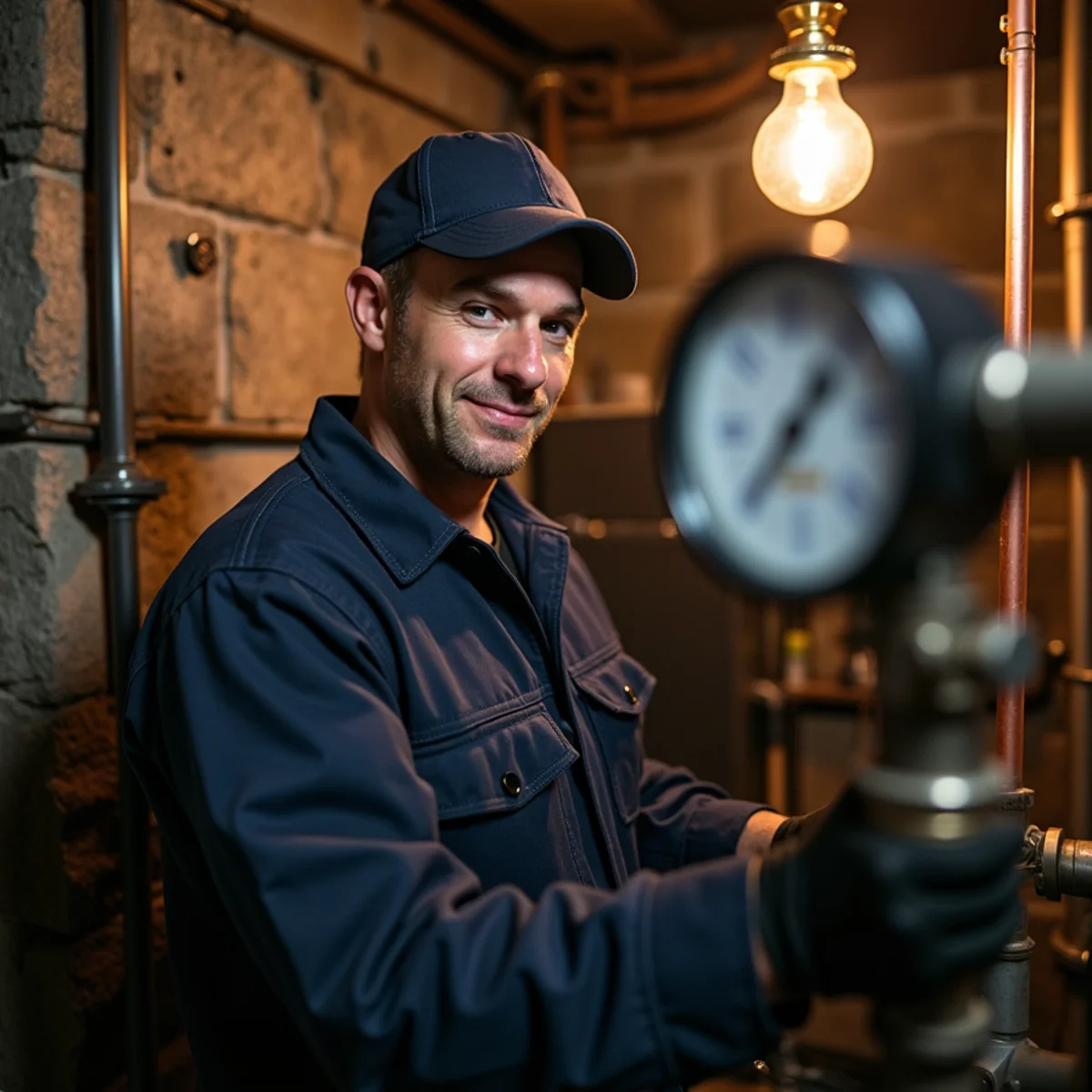
Boiler Repair & Service in Carlisle, PA
Hydronic heat is Carlisle’s signature, and it is the reason half our winter calls come from inside the Historic District. Federal and Victorian townhouses around the Square, the Mooreland colonials, the East Pomfret rowhomes — these houses were built around radiators, and they still heat better with water than they ever would with forced air shoved through retrofitted chases.
Same-day emergency service across Cumberland County 4.9/5 from 214+ reviewsLicensed & insured
- 4.9 ★
- 214+ local reviews
- 18 yrs
- Serving Cumberland County
- 24/7
- Emergency dispatch
- 100%
- Satisfaction guarantee
The problem is that fewer and fewer shops carry a tech who can trace a zone, read an aquastat, size an expansion tank, or tell a steam main vent from a radiator vent. We do. Boiler work is a deliberate specialty here, not an afterthought.
Whether you are on a 1950s cast-iron gravity conversion, a 1980s copper-fin unit, a steam system with one-pipe risers, or a modern mod-con with an outdoor reset curve, we service it, and we will tell you honestly when the old iron still has a decade in it.
Boiler and radiator symptoms we see most
- One zone stays cold while the others heat — usually a zone valve, an end switch, or a stuck circulator
- Banging or hammering in the pipes — water in a steam return, or trapped air in a hot-water loop
- Kettling: a rumble like a boiling teapot from the boiler itself, typically scale on the heat exchanger
- Gurgling radiators that never get hot at the top — air in the loop, or a failed bleeder
- Pressure climbing above 20–25 psi, or a relief valve that keeps discharging
- Boiler runs constantly and never satisfies the thermostat
- Low-water cutoff tripping on a steam system, or a sight glass that will not hold level
- A puddle at the base of the boiler or wet spots on the expansion tank
Recognise any of these? Do not wait for it to get worse.
Same-day emergency service across Cumberland County. Licensed technicians, 214+ local reviews, and written options before any work starts.
How we diagnose a hydronic system
A boiler is a distribution problem as much as an appliance. The heat can be perfect at the boiler and never reach the third-floor bedroom. So we trace the whole loop.
- Thermostat and zone-control wiring, including end switches and transformer load
- Circulator operation, rotation, and whether it is pumping toward or away from the expansion tank
- Aquastat settings — high limit, low limit, and differential — checked against the system type
- Expansion tank charge and bladder condition, the single most common cause of pressure complaints
- System pressure against building height; roughly 12–15 psi covers most two- and three-story borough homes
- Zone valves and their end switches, tested individually
- Air separation and purging of each loop, then radiator-by-radiator bleeding
- On steam: main vents, radiator vents, pitch, wet returns, and the low-water cutoff
Steam systems are their own trade
A one-pipe steam system does not have a circulator, a pressure gauge you should be reading at 20 psi, or anything in common with a hot-water loop except the word "boiler." Steam wants to run at ounces of pressure, not pounds, and most of the systems we inspect around the Historic District are running far too high because a well-meaning tech turned the pressuretrol up trying to fix a cold radiator.
The real fixes are usually venting and pitch. Main vents that stopped working thirty years ago, radiator vents that are all the same size when they should be graduated by distance from the boiler, and radiators pitched back toward the valve so condensate has nowhere to drain — that is where the banging comes from, and none of it is solved by more pressure.
We can rebalance a one-pipe system in an afternoon. It is one of the most satisfying jobs we do, and it is dramatically cheaper than the boiler replacement people expect to be quoted.
Keeping good iron, replacing bad iron
A cast-iron sectional boiler that has been maintained can run fifty years. If yours is thirty and the sections are sound, replacing it with a modern condensing unit is not automatically the right financial move — especially if your radiators are sized for high-temperature water and the mod-con would rarely get to condense.
We look at section integrity, leaks at the push nipples, flue condition, and combustion efficiency. If the iron is good, we service it and tell you what to watch. If it is weeping between sections or the flue is compromised, we say so, show you, and price the replacement properly — including near-boiler piping, which is where most cheap boiler installs quietly fail.
Near-boiler piping: the arrangement that decides everything
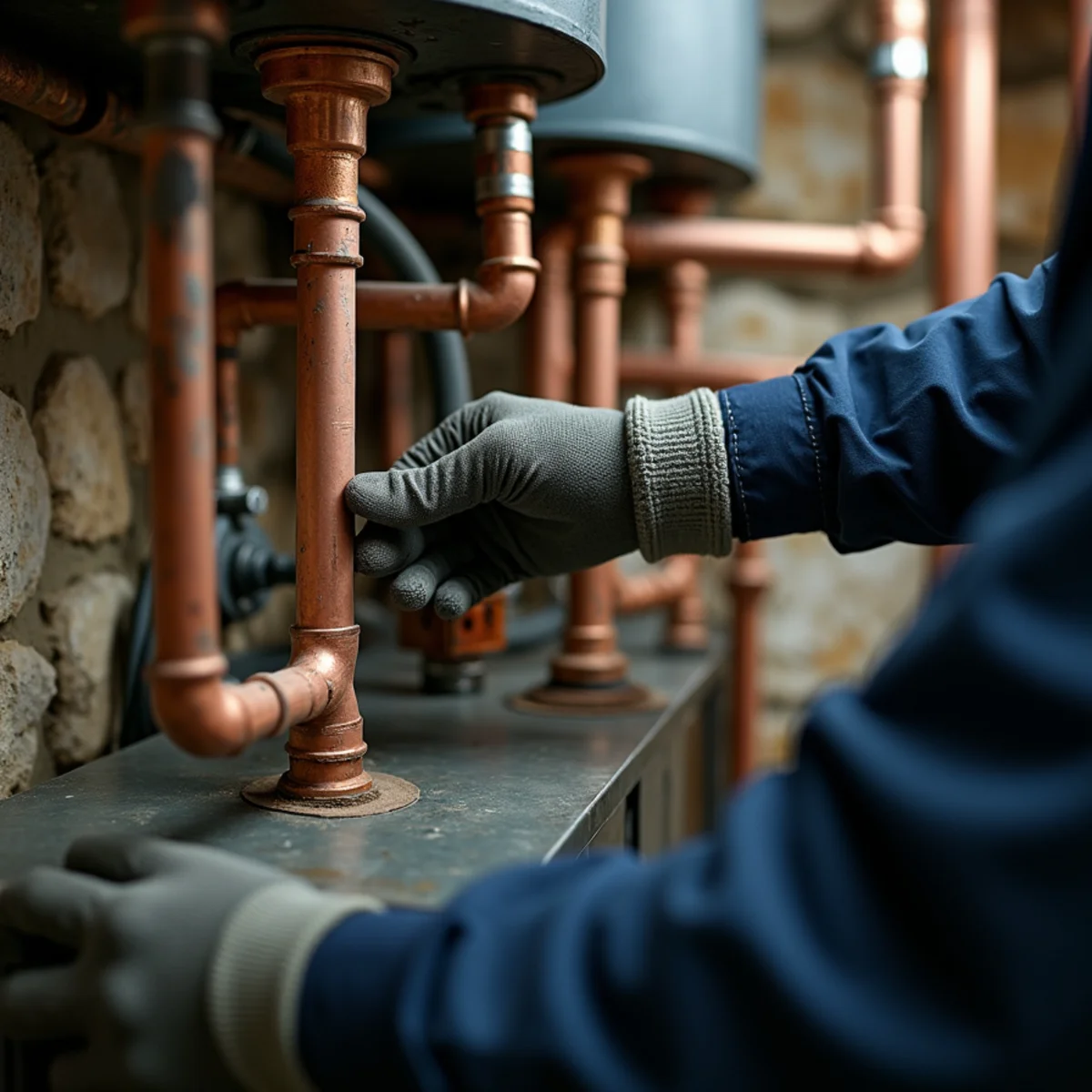
More hydronic and steam faults trace back to the piping immediately around the boiler than to the boiler itself. It is where air gets separated out or does not, where circulators either pump away from the expansion tank or fight it, and on steam, where dry steam gets produced or wet steam gets carried into the mains.
Get it wrong and the symptoms appear everywhere else in the building: radiators that never heat, banging on start-up, pressure that climbs, circulators that fail early. Those are the complaints that get quoted as replacements, and replacing the appliance while leaving the piping alone reproduces the same symptoms on new equipment.
- Circulator position relative to the expansion tank, which decides where pressure is added or subtracted
- Air separation, and whether the system can actually purge
- Primary and secondary loops on systems that need them, correctly separated
- On steam, header arrangement and riser height, which determine whether steam leaves dry
- Return arrangement, so condensate gets back without water hammer
Circulators, zone valves and controls, which is what usually fails
The boiler is the part people expect to fail and it is rarely the part that does. On a system twenty years in, the components that give out are the moving and switching ones: circulator bearings and cartridges, zone valve motors and end switches, aquastats, and the expansion tank that has quietly lost its air charge.
That last one is worth singling out because it presents as something much more alarming. A spent expansion tank shows up as pressure climbing while the system heats, relief valves discharging, and a system that needs topping up repeatedly, all of which look like a failing boiler and none of which are.
These are inexpensive parts with a long service life once fitted correctly, which is why an honest diagnosis on a hydronic system so often ends in a repair rather than a replacement quote.
Our boiler service process
- 1
System identification
Hot water or steam, one-pipe or two-pipe, zone valves or circulator zoning, fuel type, and control strategy.
- 2
Safety and combustion check
Flue, draft, relief valve, low-water cutoff, and combustion readings before we touch the controls.
- 3
Loop diagnosis
Zone by zone, valve by valve, radiator by radiator — we walk the whole house, not just the mechanical room.
- 4
Findings and options
What failed, what is worn, what can wait, and what the repair-versus-replace math actually looks like on your system.
- 5
Repair, purge, and balance
Component replaced, loops purged of air, pressure set, and radiators bled and balanced.
- 6
Verification
Full heat cycle on every zone, temperatures confirmed at the far ends of the system, controls documented.
What affects boiler repair cost
We do not publish flat prices, because a price without a diagnosis is a guess. What we can do is tell you exactly what moves the number so you can compare quotes on scope rather than on a headline figure.
- Component: a bleeder or thermostat is minor; a circulator, zone valve, or aquastat is mid-range; a low-water cutoff or gas valve is higher
- Whether the system must be drained and refilled, which adds purge and re-balance labor
- Steam versus hot water — steam diagnosis and re-venting is a different labor profile
- Number of zones and how accessible the near-boiler piping is
- Scale and sediment condition, which may require flushing before a repair holds
- Age and parts availability on older or discontinued equipment
A note on the ranges we quote elsewhere on this site
Any dollar figures published here are Pennsylvania statewide planning proxies for budgeting purposes — not confirmed Carlisle quotes. Final pricing requires a site assessment, and we put every line item in writing before you approve anything.
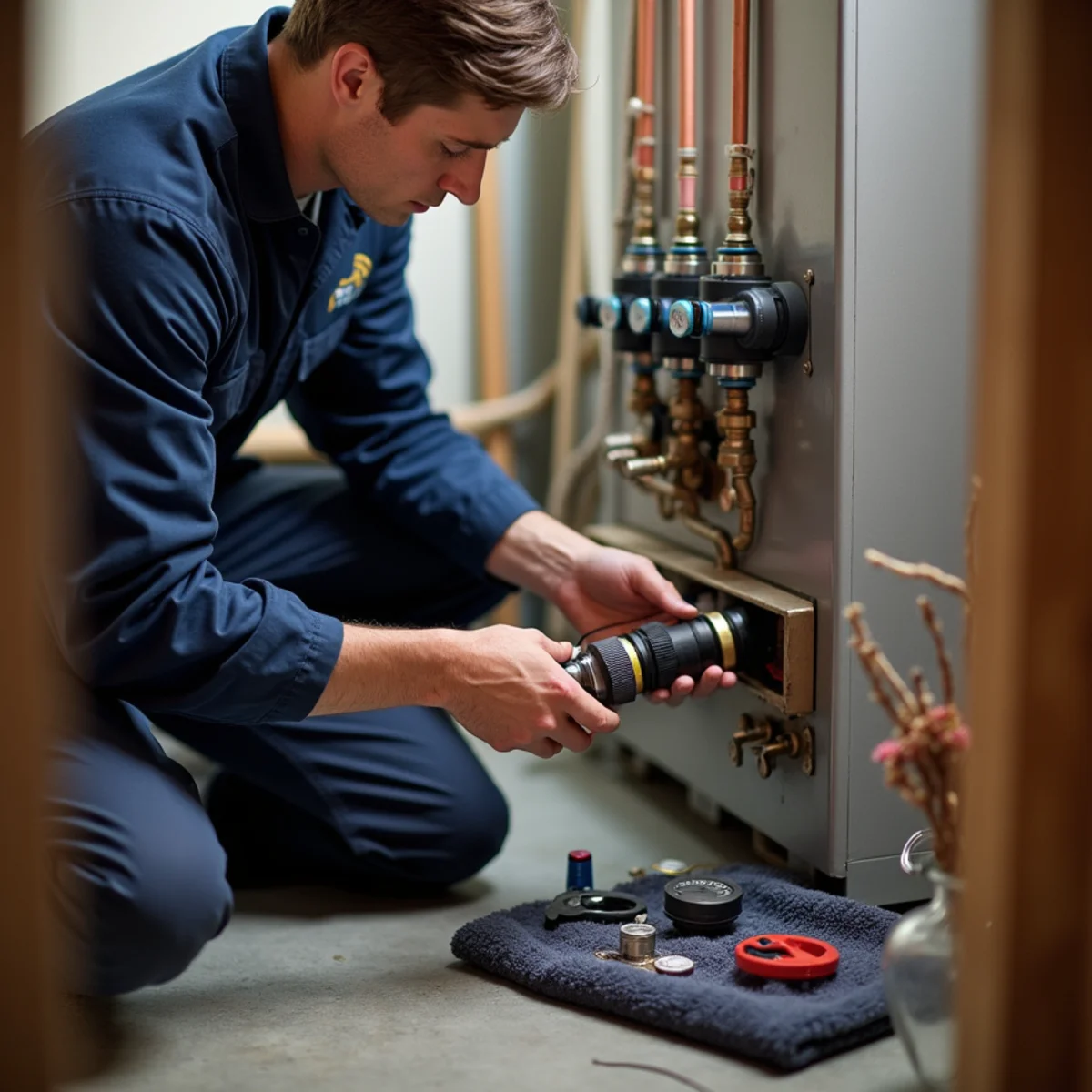
Why Carlisle homeowners pick us for boiler repair
Hydronic is a specialty here, not a sideline
Zone valves, circulators, aquastats, expansion tanks, radiator balance and one-pipe steam venting. We keep this skill on staff because Carlisle's housing stock needs it and fewer shops every year can do it.
We rebalance before we replace
Banging pipes and a cold radiator are almost always main vents, pitch and pressure — an afternoon of work, not a boiler. Two other companies quoting replacement is the most common reason people call us.
Good cast iron gets kept
A maintained sectional boiler can run fifty years. We check section integrity, push nipples, flue condition and combustion, and if the iron is sound we service it and tell you what to watch.
Near-boiler piping done right
Air separation, circulator position relative to the expansion tank, and proper primary-secondary decoupling. It is where cheap boiler installs quietly fail, and where we get called to fix other people's two-year-old equipment.
We read the piping, not just the appliance
Most hydronic faults live in the near-boiler arrangement, and replacing the boiler while leaving it alone reproduces every symptom on new equipment.
18 years serving Cumberland County · 214+ reviews · EPA Section 608 Universal certified technicians · NATE-certified service technicians · PA Home Improvement Contractor — registration number available on request · 100% satisfaction guarantee on every repair and installation
Where we provide boiler repair
Boiler and radiator work concentrates inside Carlisle Borough. The Historic District around the Square, Mooreland's three-story homes and the rowhomes on Pomfret Street and Old Town Row were built around hydronic heat and most still run it.
We also travel for it, because the expertise is scarce. Camp Hill's stone and Tudor homes, the brick downtown blocks in Mechanicsburg, the Victorian core of Middletown and the rowhome neighborhoods of Harrisburg all get the same steam re-venting and loop-purging work we do at home.
Frequently asked: boiler repair in Carlisle
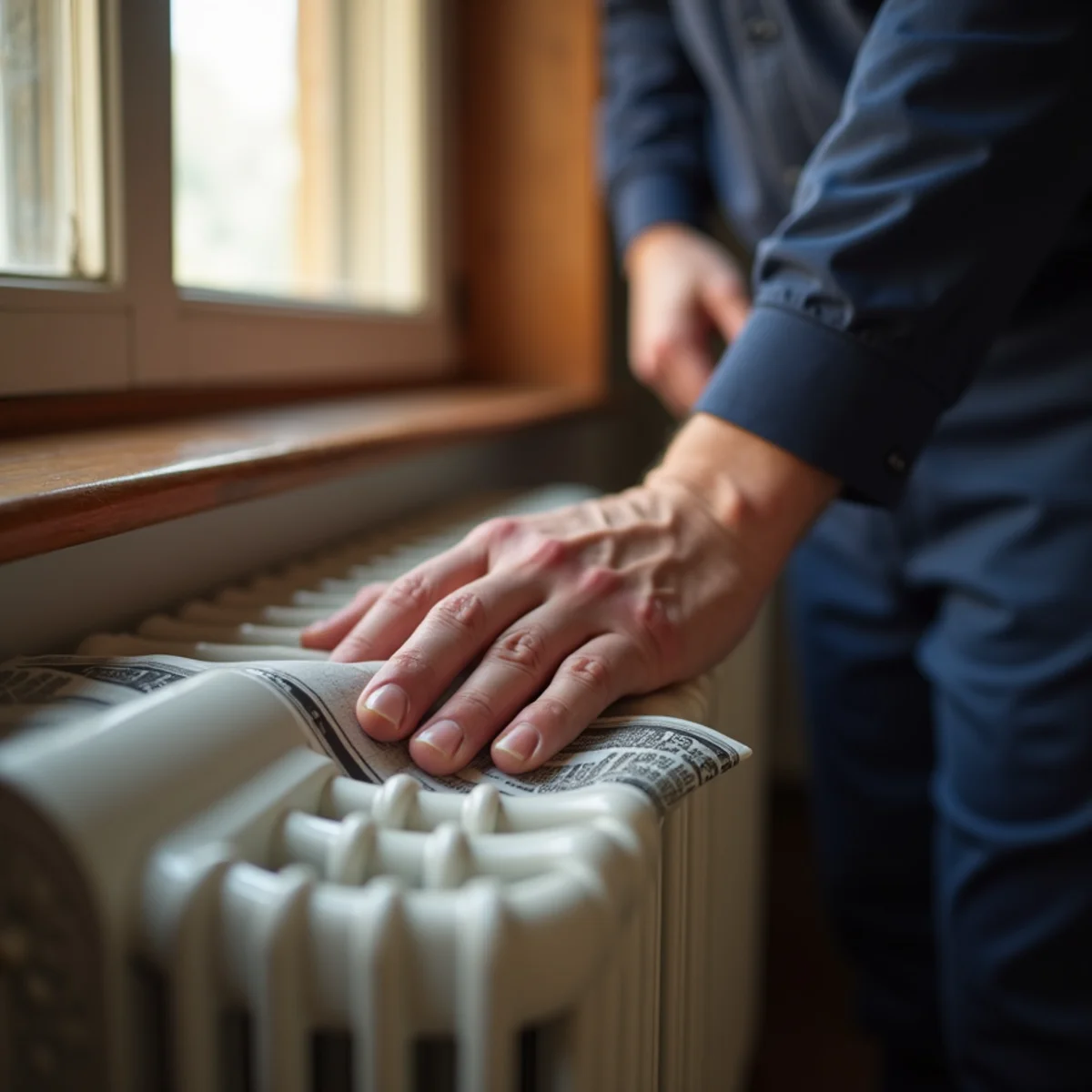
On hot water, it is usually air trapped at the top of that radiator, a closed or failed valve, or a zone that is not calling because of a bad zone valve end switch. On steam, it is almost always the air vent on that radiator — steam cannot enter until air can leave. Both are inexpensive fixes, and neither requires a new boiler.
On a steam system, banging is water hammer: condensate sitting in a main or a radiator that is pitched wrong, hit by incoming steam. On a hot-water system, it is usually trapped air or expansion noise against a pipe hanger. Either way it is diagnosable and fixable — and on steam, it is often about pitch and venting rather than the boiler.
It should be looked at promptly. The most common cause is a waterlogged expansion tank that has lost its air charge, so the water has nowhere to expand and pressure climbs until the relief valve discharges. A failed fill valve feeding the system continuously is the other frequent cause. The relief valve is doing its job, but it is a last line of defense, not a solution.
Only if the numbers work for your house. Condensing boilers reach their advertised efficiency when return water temperatures stay low, which requires radiators generously sized for the load or a properly configured outdoor reset. Many Carlisle homes with original high-temperature radiators can achieve that; some cannot. A sound cast-iron boiler that is well maintained may be the better keep. We measure before we recommend.
It is one of our core specialties. The Historic District around the Square, Mooreland, and the East Pomfret and East South Street rowhomes are full of hydronic systems that need someone who understands radiator balance, near-boiler piping, and steam venting rather than someone who only wants to sell a forced-air conversion.
Almost certainly not. Pressure that climbs as the system heats, or a system that needs topping up again and again, usually means the expansion tank has lost its air charge or the fill valve is passing water into the system. Both are inexpensive parts. The important part is not to leave it: persistently high pressure stresses seals and components and eventually discharges the relief valve, which people then treat as the fault. Diagnosing which of the two it is takes one visit and rarely leads anywhere expensive.
Considerably longer than most forced-air equipment, and cast iron in particular can run for decades when it is maintained and the water quality is reasonable. That is why age alone is a poor reason to replace one. What actually ends a boiler is section failure or a heat exchanger that can no longer be made to pass, not the number on the data plate. Controls, circulators and zone valves will be replaced several times over the life of a good boiler, and that is normal maintenance rather than evidence that the appliance is finished.
Related services
Often needed alongside boiler repair
Furnace Repair
Ignition faults, flame sensors, limit trips, blower motors, and cracked heat exchangers — diagnosed with a meter, not a guess.
Learn moreNo-Heat Emergency
No heat at midnight in January is the call we built the on-call rotation around. Answered live, dispatched fast.
Learn moreDuctless Mini-Splits
Cooling and heating for houses with no ductwork — installed without cutting chases through 19th-century plaster.
Learn moreFurther reading
Guides on this topic
- Banging, Kettling, Gurgling: Carlisle Boiler Noises DecodedA field guide to boiler noises — what each one means, which are urgent, and which are an afternoon of work.
- Carlisle Historic District HVAC: Boiler & Radiator Care for 1800s HomesThese houses have been heated four different ways. Here is how to work with what they have instead of against it.
Carlisle neighborhoods we serve
Need boiler repair in Carlisle?
Same-day emergency service across Cumberland County. Call and speak to someone who can dispatch a licensed technician, or request a free written estimate and we will call you back.
214+ reviews · 18 years local · Licensed & insured · 100% satisfaction guarantee on every repair and installation
HVAC Carlisle PA122 Beech St, Carlisle, PA 17013
+1 (327) 210-5999