
Medium priority service · Carlisle, PA
Emergency AC Repair in Carlisle, PA
A hot house is not automatically an emergency. A hot house with a six-week-old, an eighty-eight-year-old, or somebody on a medication that impairs temperature regulation absolutely is, and we dispatch for those calls the same way we dispatch for no heat in January.
Same-day emergency service across Cumberland County 4.9/5 from 214+ reviewsLicensed & insured
- 4.9 ★
- 214+ local reviews
- 18 yrs
- Serving Cumberland County
- 24/7
- Emergency dispatch
- 100%
- Satisfaction guarantee
Cumberland County heat waves stack up. When the overnight low stays near 70°F, houses never shed the heat they gained during the day, and by the third afternoon interior temperatures climb into genuinely dangerous territory in upper floors of rowhomes and twins with little insulation.
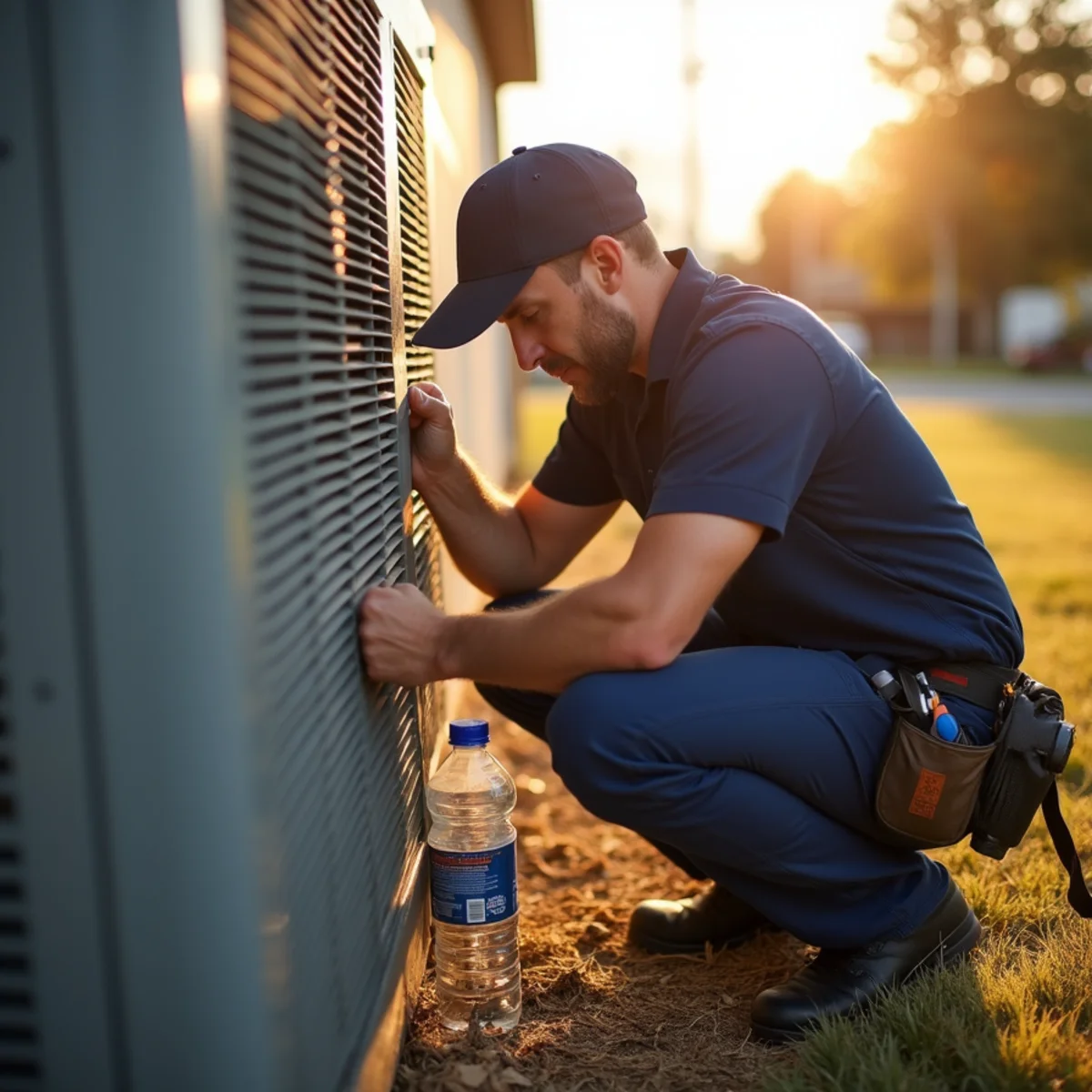
We keep summer trucks stocked with the parts that account for most no-cool calls: capacitors, contactors, condenser fan motors, low-voltage fuses, float switches, and condensate pumps.
When no cooling becomes an emergency
- A heat advisory or excessive heat warning is in effect for Cumberland County
- Anyone in the home is an infant, older adult, pregnant, or has a cardiac, respiratory, or neurological condition
- Indoor temperature is above 85°F and still climbing in the evening
- Someone is showing heat exhaustion signs — heavy sweating, nausea, dizziness, cramping
- Water from the system is actively spreading into finished space
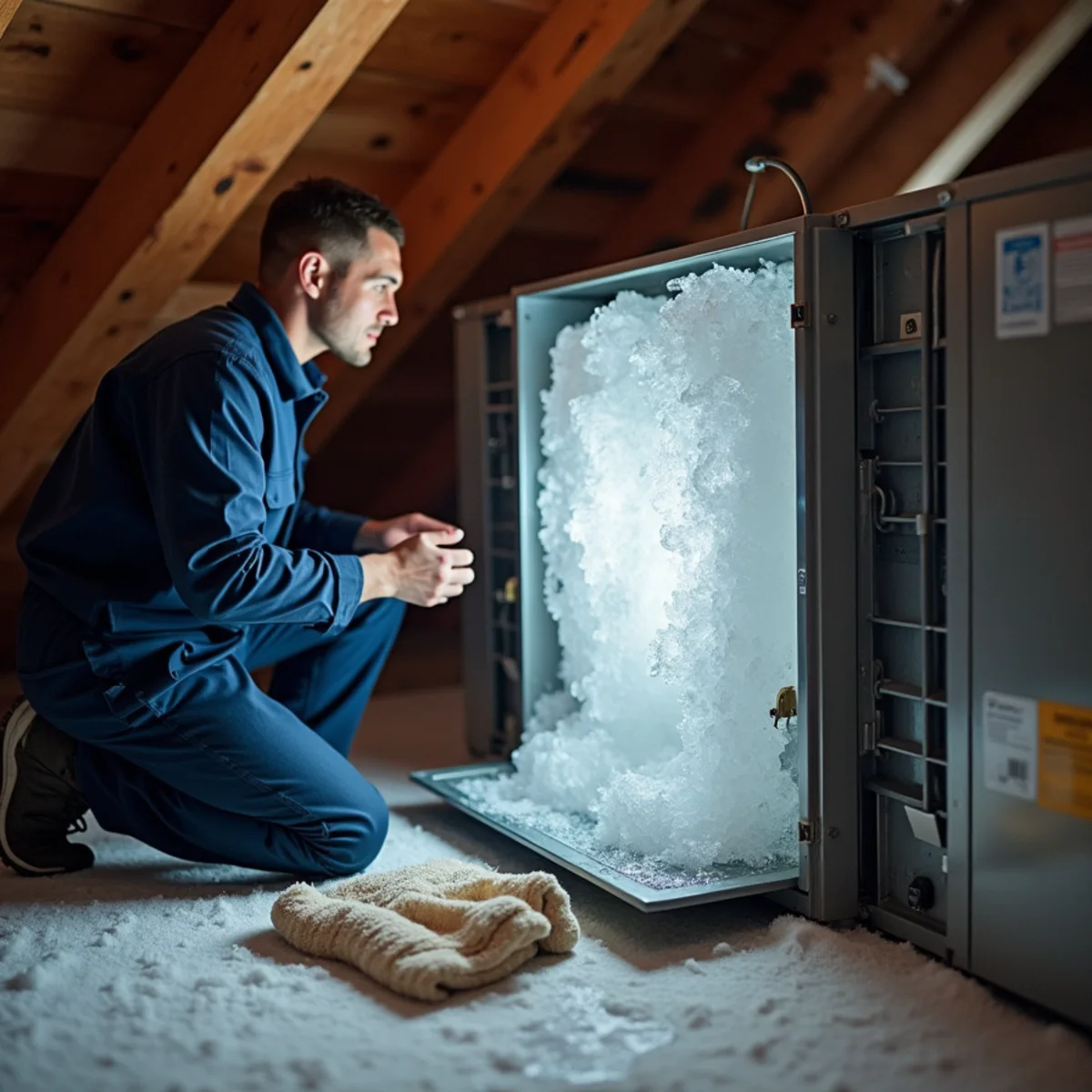
- Ice has formed on the coil or line set — shut cooling off immediately and run fan only
- A commercial kitchen, server closet, or refrigerated storage space is losing conditioning
Recognise any of these? Do not wait for it to get worse.
Same-day emergency service across Cumberland County. Licensed technicians, 214+ local reviews, and written options before any work starts.
What to do in the first ten minutes
- Switch the thermostat to OFF, not just up — an iced coil needs the compressor stopped
- Set the fan to ON to melt any ice on the indoor coil; this can take one to three hours
- Replace the filter if it is dirty. Restricted airflow is the single most common cause of coil icing.
- Clear anything blocking the outdoor unit — cottonwood, grass clippings, mulch piled against the coil
- Check the breaker and the outdoor disconnect once each
- Look for a float switch near the air handler; if the condensate pan has filled, that switch has correctly shut the system off
- Close blinds on south and west exposures, run bath and kitchen exhaust fans, and move everyone to the lowest floor
Heat safety in a Carlisle rowhome
The 19th-century brick rowhomes along East Pomfret and East South Street hold heat brilliantly, which is a gift in January and a hazard in July. Third-floor bedrooms in those houses regularly run 10–15°F above the first floor during a heat wave.
If cooling is down and the forecast is severe, sleep on the lowest floor, keep hydration going, and use fans to move air across skin rather than trying to cool the whole volume of the house. A box fan in a window pulling hot air out after sunset does more than one blowing into a hot room at noon.
Cumberland County opens cooling centers during extended heat events. If anyone in the household is genuinely at risk and we cannot get a truck to you quickly, we will tell you that plainly and encourage you to use one.
What we can usually fix on the first visit
- Run and start capacitors — by a wide margin the most common summer failure
- Contactors with pitted or welded contacts
- Condenser fan motors and blades
- Blown low-voltage fuses and shorted thermostat wiring, often damaged by a trimmer or a rodent
- Clogged condensate drains, failed pumps, and tripped float switches
- Severely fouled condenser coils, cleaned properly in place
- Refrigerant leaks at accessible service ports, Schrader cores, and flare fittings
Heat index, not the thermometer, is what makes a cooling failure urgent
How dangerous a hot house is depends on humidity as much as temperature, because the body sheds heat by evaporating sweat and humid air slows that down. An 88-degree house at high humidity is a materially more serious situation than the same temperature in dry air, and in this valley July nights hold moisture.
That is why we ask about the household rather than just the temperature. Infants, adults over roughly sixty-five, anyone with a cardiovascular or respiratory condition, and anyone on medication that affects temperature regulation lose their safe margin considerably sooner than a healthy adult does.
It is also why overnight recovery matters. A house that cannot shed its heat after dark, which is common in masonry and in upper floors under a hot roof, accumulates risk across consecutive days rather than resetting each night. If you are into a second or third day, say so when you call.
Keeping the house liveable until we get there
Concentrate rather than spread. Close off rooms you do not need, pick the coolest space in the house, usually the lowest floor on the shaded side, and treat that as where everyone stays. Trying to keep a whole house tolerable with fans achieves less than making one room genuinely comfortable.
Use the night. Open up once the outdoor temperature drops below the indoor temperature, run window fans to exhaust hot air from upstairs, then close everything early in the morning before the sun gets to the walls. In a masonry house that single habit is worth several degrees by the afternoon.
Fans help people, not rooms. Moving air across skin aids evaporation and makes a space feel cooler, but a fan in an empty room simply adds its motor heat. Above roughly the upper nineties, fans alone stop being protective for vulnerable people, and that is the point to relocate rather than to add another fan.
- Pick one room and cool that, rather than the whole house
- Ventilate hard overnight, close up early in the morning
- Shade windows on the sun side, outside the glass where possible
- Fans cool people, not rooms — turn them off in empty spaces
- Drink steadily, and check on elderly neighbours as well as your own household
How an emergency cooling call runs
- 1
Vulnerability triage
We ask who is in the house and what the indoor temperature is, and prioritize accordingly.
- 2
Phone-guided first steps
We walk you through stopping the compressor, thawing a coil, or clearing a blocked drain before the truck arrives.
- 3
Electrical and airflow diagnosis
Most no-cool calls resolve here, on the first visit, with parts from the truck.
- 4
Refrigerant testing if needed
Superheat and subcooling against the manufacturer chart — and leak location, not just a top-off.
- 5
Repair and verify
Temperature split, amp draw, and humidity re-checked before we leave.
- 6
Heat-wave follow-up
If the real problem is capacity or duct design, we schedule that conversation for a cooler day.
What affects emergency AC repair cost
We do not publish flat prices, because a price without a diagnosis is a guess. What we can do is tell you exactly what moves the number so you can compare quotes on scope rather than on a headline figure.
- After-hours, weekend, or holiday dispatch rate, quoted before we roll
- Part class — capacitor and contactor at the low end, compressor at the top
- Whether refrigerant recovery, leak repair, evacuation, and recharge are needed
- R-22 versus R-410A, which meaningfully changes refrigerant cost
- Coil cleaning depth and whether the coil must be pulled
- Distance into the county and current road conditions
A note on the ranges we quote elsewhere on this site
Any dollar figures published here are Pennsylvania statewide planning proxies for budgeting purposes — not confirmed Carlisle quotes. Final pricing requires a site assessment, and we put every line item in writing before you approve anything.
Why Carlisle homeowners pick us for emergency ac
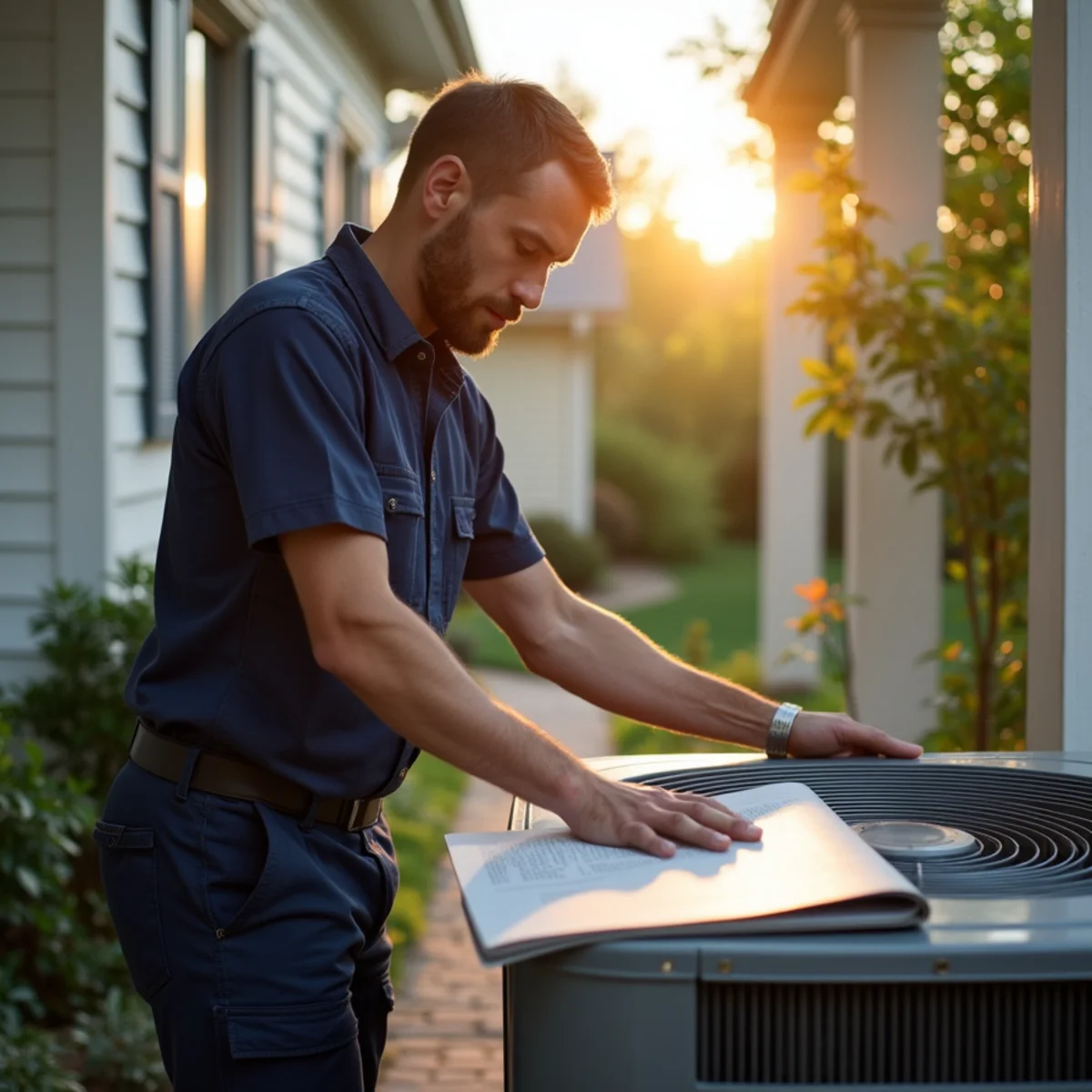
We triage by who is in the house
An infant, an older adult, a pregnancy or a cardiac or respiratory condition moves you up the board during a heat advisory. A healthy household with a mild overnight low does not need to pay a premium, and we say so.
Phone-guided first steps
We walk you through stopping the compressor on a frozen coil, thawing it safely and clearing a blocked drain before the truck arrives, so you are not making it worse while you wait.
Summer parts stocked
Run and start capacitors, contactors, condenser fan motors, low-voltage fuses, float switches and condensate pumps — the failures that account for most no-cool calls.
We name the cooling centers
If someone in the household is genuinely at risk and we cannot reach you fast enough, we will tell you that plainly and point you to an open cooling center rather than let you wait it out.
We ask who is in the house first
Humidity and household vulnerability decide urgency more than the thermostat reading, so those are the questions we lead with.
18 years serving Cumberland County · 214+ reviews · EPA Section 608 Universal certified technicians · NATE-certified service technicians · PA Home Improvement Contractor — registration number available on request · 100% satisfaction guarantee on every repair and installation
Where we provide emergency ac
Heat-wave calls concentrate in the borough's brick rowhomes and twins, where third-floor bedrooms routinely run ten to fifteen degrees above the first floor. Old Town Row, Pomfret Street and the Historic District generate the most urgent ones.
We also cover the county's newer suburbs, where an oversized builder system that has always struggled with humidity finally fails outright on the third consecutive 90-degree afternoon. Silver Spring Township, Hampden Township and Monroe Township are the usual sources.
Frequently asked: emergency ac in Carlisle
It depends entirely on who is in the house and what the weather is doing. During a Cumberland County heat advisory, with an infant, an older adult, or someone with a cardiac or respiratory condition at home, it is a genuine health emergency and we treat it that way. For a healthy household with a mild overnight low coming, waiting for a morning appointment saves you the after-hours premium — and we will tell you that.
Turn cooling off at the thermostat and set the fan to ON. Running a compressor against a frozen coil is the fastest way to turn a cheap repair into a compressor replacement. It takes one to three hours to thaw. Change the filter while you wait, since restricted airflow is the usual cause.
Heat waves stack the board the same way cold snaps do. We triage by occupant vulnerability and indoor temperature rather than working strictly in order. We give you a realistic window on the phone, and if it is not fast enough for someone genuinely at risk, we tell you so and point you toward a cooling center.
Almost certainly the condensate system — a plugged drain, a full pan, or a failed pump. Turn cooling off at the thermostat immediately to stop producing more condensate, then call. EPA moisture guidance puts the drying window around 24–48 hours, so it should not wait until Monday.
Yes — rooftop units, split systems, and packaged equipment for storefronts, restaurants, offices, and the warehouse corridor along US-11. Mention refrigerated inventory, a server room, or occupied tenant space on the call and we will prioritize accordingly.
There is no single number, because humidity and the people involved change it substantially. As a working guide, sustained indoor temperatures in the high eighties and above with high humidity are a real risk for infants, older adults and anyone with a heart or lung condition, and the risk compounds across consecutive days when the house does not cool down overnight. Healthy adults tolerate considerably more. If someone is confused, has stopped sweating, or has a rapid pulse and hot dry skin, that is a medical emergency and needs emergency services immediately, not a call to us.
If it is running but not cooling, yes, turn the cooling off at the thermostat and leave the fan on. The most common cause is a frozen evaporator coil, and continuing to run the compressor against a block of ice risks liquid refrigerant returning to it, which turns a modest repair into a compressor replacement. Running the fan alone helps the ice melt, which also means we arrive able to actually test the system rather than waiting for it to thaw. Put towels down, because a melting coil produces more water than the drain pan expects.
Related services
Often needed alongside emergency ac
AC Repair
Capacitors, contactors, coils, refrigerant charge, and airflow — measured with gauges and a manometer, then fixed.
Learn moreEmergency HVAC
One number, answered around the clock, with a real technician dispatched — not an answering service taking a message until Monday.
Learn moreIndoor Air Quality
Humidity, filtration, and ventilation solved with measurements — starting with what your house actually reads.
Learn moreFurther reading
Guides on this topic
- AC Failure During a Cumberland County Heat Wave: Your First 5 StepsThe five things to do in the first ten minutes, and how to judge whether this is an emergency or a morning appointment.
- AC Running But Not Cooling? Carlisle's Summer Humidity May Be WhyComfort is temperature and moisture. If your house is 72°F and still miserable, the second half is the problem.
Carlisle neighborhoods we serve
Need emergency ac in Carlisle?
Same-day emergency service across Cumberland County. Call and speak to someone who can dispatch a licensed technician, or request a free written estimate and we will call you back.
214+ reviews · 18 years local · Licensed & insured · 100% satisfaction guarantee on every repair and installation
HVAC Carlisle PA122 Beech St, Carlisle, PA 17013
+1 (327) 210-5999