

Borough · Tier 2 service area
HVAC Services in Camp Hill, PA
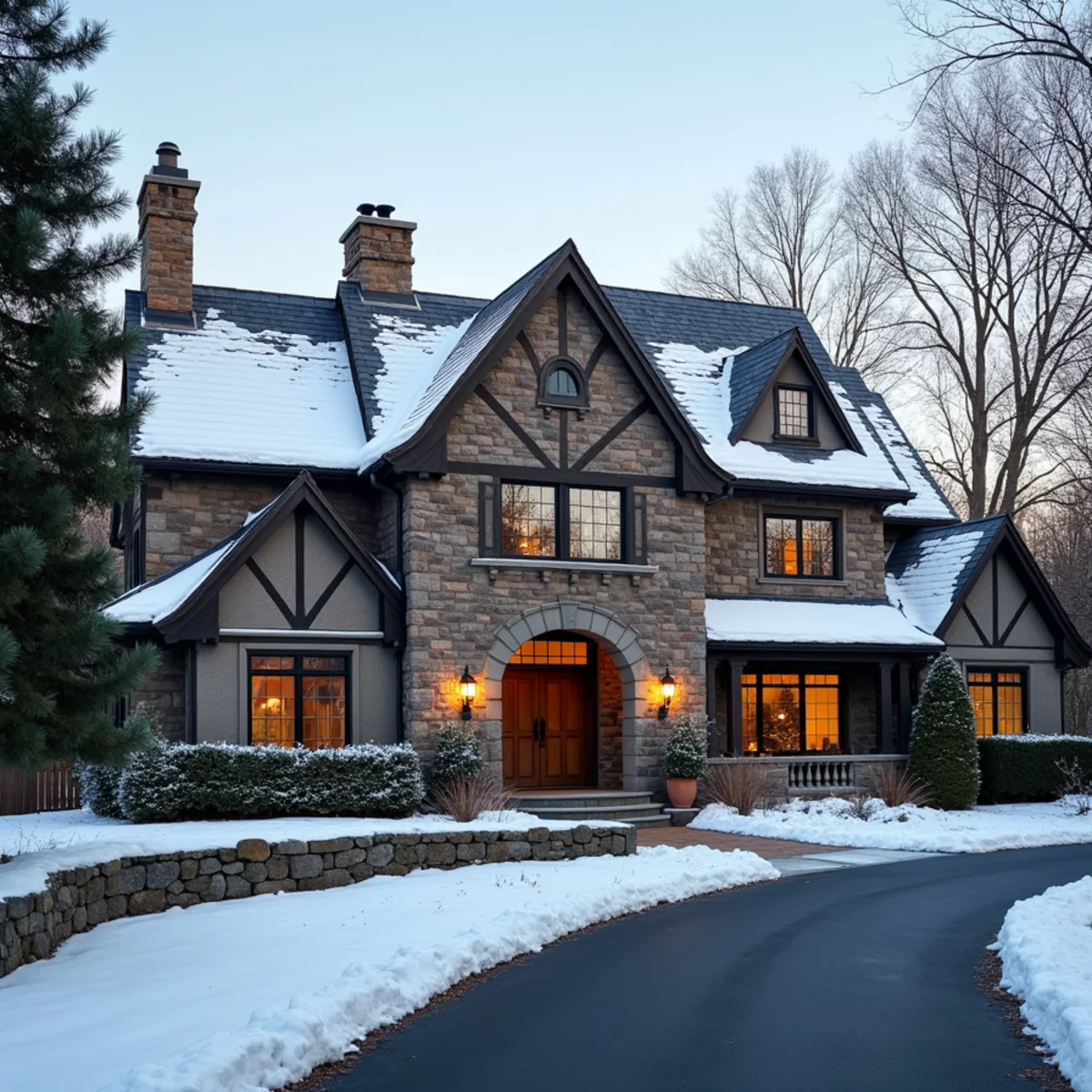
Camp Hill is a small, established West Shore borough of stone, Tudor, and colonial homes built largely between the 1920s and 1960s, thirty to thirty-six minutes from Carlisle. The housing is substantial, well maintained, and architecturally distinctive.
Same-day emergency service across Cumberland County 4.9/5 from 214+ reviewsLicensed & insured
- 4.9 ★
- 214+ local reviews
- 18 yrs
- Serving Cumberland County
- 24/7
- Emergency dispatch
- 100%
- Satisfaction guarantee
For us, Camp Hill is a boiler town. A significant share of these houses were built with hydronic heat and still have it, and the owners tend to value keeping it rather than converting to forced air.
That aligns exactly with what we do best, and it is why we travel out here despite the distance — hydronic expertise is scarcer on the West Shore than the housing stock warrants.
Substantial homes with hydronic heat worth preserving
Stone and masonry construction with high thermal mass, generous room proportions, and cast-iron radiators sized for high-temperature water. These systems, properly maintained, deliver excellent comfort.
The recurring questions are about efficiency upgrades. Owners ask whether a condensing boiler makes sense, and the honest answer depends on whether the radiators are sized generously enough to allow low return water temperatures. Many Camp Hill houses can achieve that with a properly configured outdoor reset curve; some cannot.
The cooling side is the constraint. Adding central air to these houses means finding chases that mostly do not exist. Ductless with concealed heads is usually the right answer, and it can be done tastefully in houses where appearance genuinely matters.

30–36 minutes east via PA-581 from our shop to Camp Hill
Same-day emergency service across Cumberland County. Call and describe the symptom — we will tell you honestly whether it needs a truck tonight or a scheduled visit.
Local work: the stone and Tudor blocks
A stone house here had a 1970s cast-iron boiler and an owner who had been told repeatedly it needed replacing. Section integrity was sound, combustion tested well, and the actual problem was a waterlogged expansion tank and two failed zone valves.
We replaced the tank and valves, purged and rebalanced the loops, and configured an outdoor reset control the boiler already supported but which had never been set up. Gas consumption fell noticeably and every radiator finally heats.
That boiler has years left in it. Replacing it would have been a large expense to solve problems that cost a fraction to fix properly.
Heavy construction that rewards controls rather than capacity
The stone and Tudor stock here is substantially built, and heavy buildings behave slowly. They lose heat gradually in January and they warm gradually in July, which is exactly the profile hydronic heating was designed around.
That slowness is an advantage when the controls suit it and a liability when they do not. A system that fires at full output whenever the thermostat calls will overshoot a building with this much mass, particularly in the shoulder season when demand is a fraction of design load.
Outdoor reset is what matches the two. Varying water temperature with the outdoor temperature lets a heavy building coast at a steady internal temperature rather than swinging, and a great many boilers here have that capability sitting unconfigured in the controller.
HVAC services we provide in Camp Hill
The cheapest improvement is usually already installed
Commissioning existing controls costs a visit and frequently delivers more comfort than a new appliance would. Outdoor reset curves, boiler staging and pump configuration are set generically at installation and rarely revisited, and configuring them properly is the least expensive worthwhile work available on these systems.
Where replacement is genuinely due, condensing equipment only earns its efficiency at low return water temperatures, which depends on the emitters you already have. On a system with generously sized cast iron radiators that is realistic. On one with undersized baseboard it may not be, and we would rather tell you that before you buy.
Cooling in these houses is a ductless conversation for the same reason it is in any solid-masonry building: chases through this construction cause damage disproportionate to the benefit, and concealed heads with carefully planned line-set routing preserve what makes the house worth living in.
No heat or no cooling in Camp Hill right now?
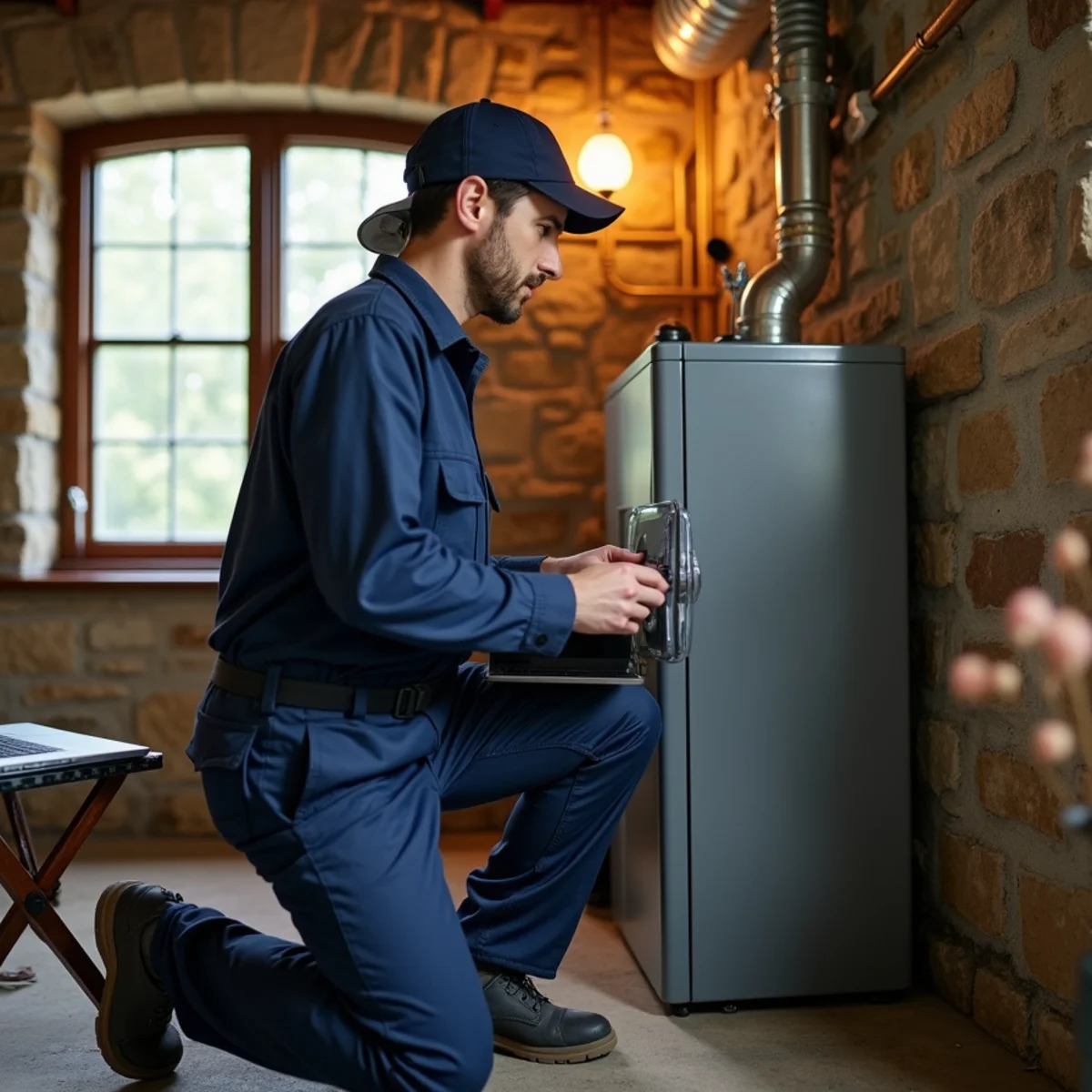
A person answers the phone, not an answering service. Tell us the symptom and we will say honestly whether it needs a truck tonight or a scheduled visit — 30–36 minutes east via PA-581 from our Carlisle shop.
Why Camp Hill residents call us
Hydronic expertise worth the drive
Camp Hill has more boiler stock than the West Shore has shops who genuinely understand it. That mismatch is why we travel here.
Controls that were never configured
Outdoor reset installed and left unset is a recurring find. Configuring what the boiler already supports has cut gas consumption without replacing anything.
Careful with a careful housing stock
Stone, Tudor and 1920s colonial homes get condenser siting, line routing and any venting change planned around the property rather than the shortest run.
Controls configured before equipment is quoted
Outdoor reset and staging are already in most of these boilers and rarely set, and configuring them is the cheapest comfort available.
Condensing efficiency checked against your emitters
A condensing boiler only delivers its rating at low return temperatures, which depends on the radiators you have — we check before recommending.
18 years serving Cumberland County · 214+ reviews · EPA Section 608 Universal certified technicians · PA Home Improvement Contractor — registration number available on request · 100% satisfaction guarantee on every repair and installation
Camp Hill HVAC questions
Get it measured first. On a Camp Hill stone house with a 1970s cast-iron boiler, section integrity was sound and combustion tested well — the actual problems were a waterlogged expansion tank and two failed zone valves. We replaced those, purged and rebalanced the loops, and configured an outdoor reset control the boiler already supported but which had never been set up. Gas consumption fell noticeably and every radiator finally heats.
Only where it can actually condense. A condensing boiler reaches its rated efficiency at low return water temperatures, which requires emitters generously sized for the load plus a properly configured outdoor reset. Many of these houses, with original cast-iron radiators sized for a leakier, less insulated building, qualify well. Houses with fin-tube baseboard sized tightly to the load frequently do not, and would run in non-condensing mode most of the season.
Yes, with ductless. There are no chases for trunk lines in these houses and creating them means opening plaster and masonry. Concealed ducted heads hide in closets and knee walls feeding slim ceiling registers, floor consoles suit period rooms, and line sets run in paintable covers along mortar lines with the condenser sited away from street elevations.
Because the work suits us. Camp Hill is a boiler town, hydronic expertise is scarcer on the West Shore than the housing stock warrants, and it is the same steam and hot-water work we do in the Carlisle Historic District every week. Thirty to thirty-six minutes via PA-581 is worth it for project work of that kind.
Not automatically, and the deciding factor is your emitters rather than the boiler. Condensing equipment reaches its rated efficiency only when return water is cool enough to condense flue gases, which requires radiators with enough surface area to heat the house at lower water temperatures. Generously sized cast iron usually qualifies. Undersized baseboard often does not, and a condensing boiler on such a system runs hot, never condenses, and delivers ordinary efficiency at premium cost. We check the emitters first.
It matches the water temperature to how cold it is outside, instead of sending the same hot water whatever the weather. In a heavy stone or Tudor house that transforms the shoulder season: on a mild day the system circulates cooler water continuously and holds a steady indoor temperature, rather than firing hard, overshooting and shutting down. You feel it as the absence of swing. Most boilers here already have the capability and simply were never configured to use it.
Nearby areas we also serve
Our service area
HVAC Carlisle PA dispatches from 122 Beech St, Carlisle, PA 17013. Camp Hill is 30–36 minutes east via pa-581.
HVAC service in Camp Hill — call +1 (327) 210-5999
Same-day emergency service across Cumberland County. Licensed, insured technicians dispatched from our Carlisle shop, with written options before any work begins.
214+ reviews · 18 years local · Licensed & insured · 100% satisfaction guarantee on every repair and installation
HVAC Carlisle PA122 Beech St, Carlisle, PA 17013
+1 (327) 210-5999