
Township · Tier 2 service area
HVAC Services in Penn Township, PA
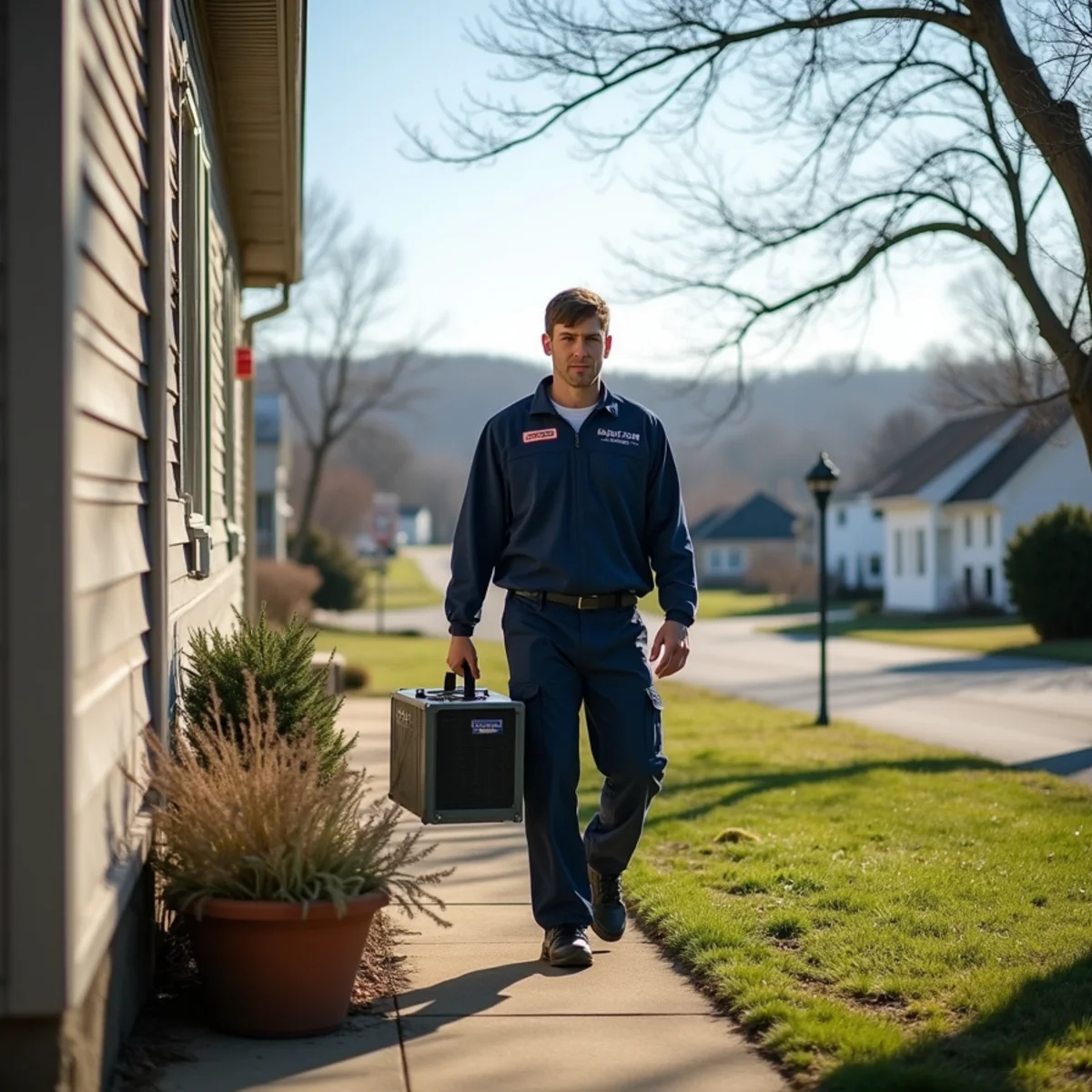
Penn Township occupies the rural northwestern corner of the county, twenty to twenty-eight minutes from Carlisle depending on which township roads you take. It is farmland and woodland with scattered residential properties, and it is one of the further reaches of our regular service area.
Same-day emergency service across Cumberland County 4.9/5 from 214+ reviewsLicensed & insured
- 4.9 ★
- 214+ local reviews
- 18 yrs
- Serving Cumberland County
- 24/7
- Emergency dispatch
- 100%
- Satisfaction guarantee
Heat is delivered fuel — oil and propane — with wood as a supplement on many properties. There is no meaningful gas distribution, and there will not be.
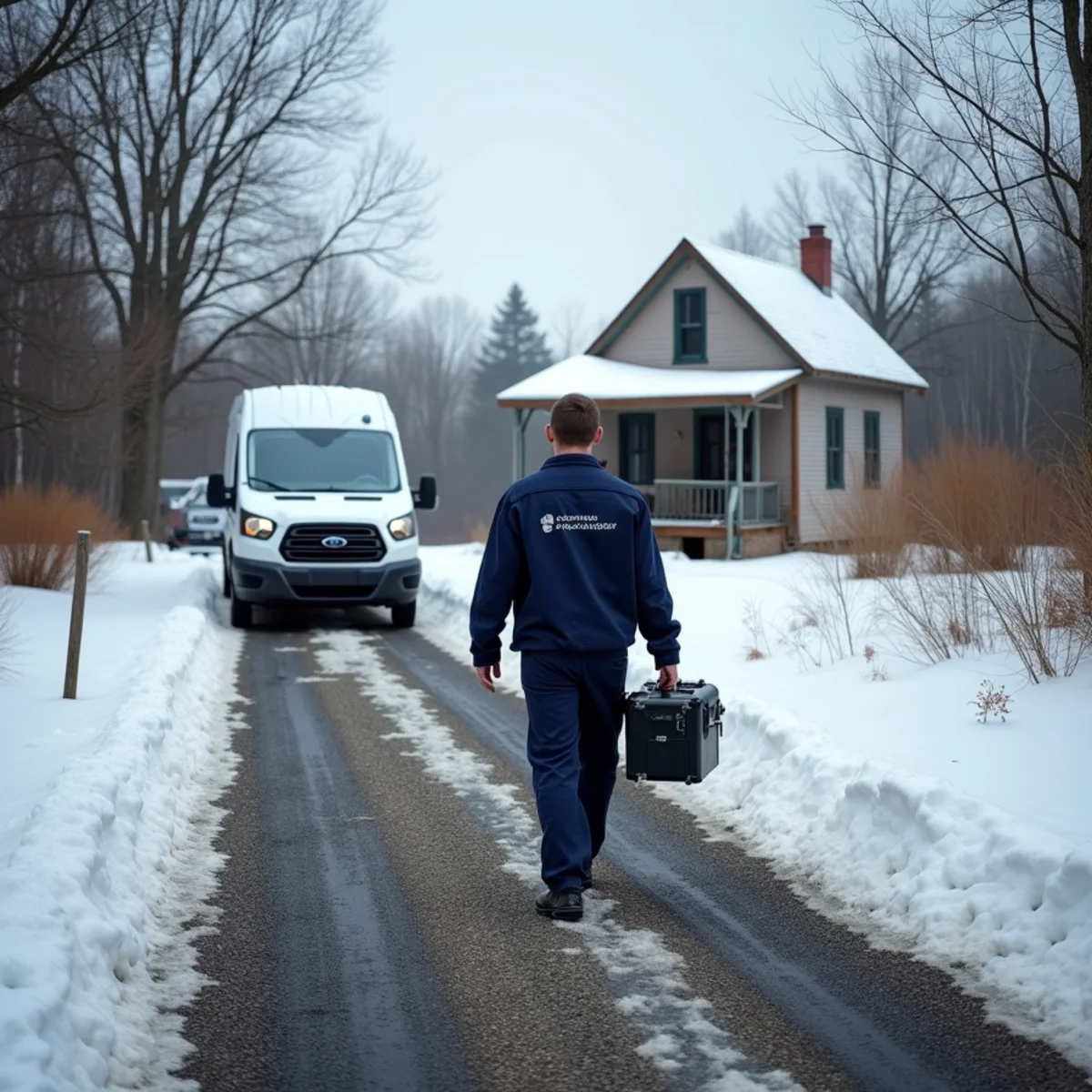
Winter access is a genuine planning factor here. Township roads are not the first priority for plowing, and we schedule accordingly rather than promising a response time we cannot meet in a storm.
Older farmhouses at the end of long driveways
The building stock is old — 19th-century farmhouses with 20th-century additions, plus a scattering of newer homes on parcels split off larger farms. Distribution is a patchwork: original hydronic in the old section, forced air or baseboard in the additions, and often a wood stove doing more work than anyone admits.
Oil tank age is a persistent concern. We inspect tanks as part of any oil service and flag the ones that need attention before they become an environmental problem.
Electrical service capacity is the other recurring limitation. Rural services out here are frequently tighter than owners realize, and it is the first thing we check before any electrification conversation.

20–28 minutes northwest via PA-641 and township roads from our shop to Penn Township
Same-day emergency service across Cumberland County. Call and describe the symptom — we will tell you honestly whether it needs a truck tonight or a scheduled visit.
Local work: the township roads and the properties off them
A property here had an oil boiler serving the original farmhouse and electric baseboard in a 1970s addition. The baseboard was the largest line on the winter electric bill by a wide margin.
We extended the hydronic loop into the addition as its own zone with a dedicated thermostat and removed the baseboard from service. The boiler had the capacity — it had simply never been asked to serve that part of the house. Operating cost for the addition dropped substantially, and the heat is steadier.
That approach — using what is already there properly before adding anything — is worth more out here than anywhere else, because every service trip is a longer trip.
Remote properties where access is part of the weather
The township is rural and its properties sit at the end of long driveways, which changes what a hard winter means. The same snowfall that is an inconvenience in the borough can determine whether a service vehicle reaches a farmhouse at all.
That is why heating reliability matters more here than efficiency ratings do. A system that fails on a bad night in a location that is difficult to reach is a different kind of problem to the same failure in town, and it justifies keeping redundancy that a suburban house would not need.
The building stock reinforces it. Older farmhouses commonly run a primary oil or propane appliance with electric baseboard covering additions and back rooms, and that mixed arrangement is often more resilient than it looks, provided each part is actually working.

HVAC services we provide in Penn Township
Built for one trip, and using what you already have
Everything here is planned around arriving once. We carry the parts a rural oil or propane system is likely to need and we ask questions on the phone that narrow the diagnosis before we set out, because a second trip out these roads is expensive for you and slow for you.
Where a house already has electric baseboard in part of it, that is frequently an asset rather than something to rip out. Using it as controlled backup for specific rooms costs nothing to install and reduces what the central system has to be sized for.
Oil tank condition is worth establishing before it forces the timing. An unlined tank past its service life turns a planned replacement into an urgent one, and knowing where yours stands lets you choose when to spend the money.
No heat or no cooling in Penn Township right now?
A person answers the phone, not an answering service. Tell us the symptom and we will say honestly whether it needs a truck tonight or a scheduled visit — 20–28 minutes northwest via PA-641 and township roads from our Carlisle shop.
Why Penn Township residents call us
Built for one trip
Parts stocked and the visit planned so a call to the far northwestern corner of the county is resolved on the first attempt wherever possible.
Existing systems used properly
Extending a hydronic loop into an addition beats bolting on a second system — cheaper to run, steadier heat, one thing to maintain.
Winter access planned, not assumed
Township roads are not first in line for plowing. We schedule around that instead of promising a window we cannot reach.
Diagnosed before we set out
Questions on the phone and a truck stocked for rural oil and propane work, because a second trip down these roads costs you a day.
Existing baseboard used, not discarded
Electric heat already in the additions makes sound controlled backup, which lowers what the central system has to cover.
18 years serving Cumberland County · 214+ reviews · EPA Section 608 Universal certified technicians · PA Home Improvement Contractor — registration number available on request · 100% satisfaction guarantee on every repair and installation
Penn Township HVAC questions
Yes, twenty to twenty-eight minutes depending on which township roads get you there. It is one of the further reaches of our regular area, so we plan the visit to be resolved in one trip and we are honest about winter access — these roads are not the first to be plowed and we schedule accordingly.
Often yes, using what you already have. On a Penn Township property we extended the existing hydronic loop into a 1970s addition as its own zone with a dedicated thermostat and took the baseboard out of service. The boiler had the capacity — it had simply never been asked to serve that part of the house. Operating cost for that section fell substantially and the heat is steadier.
There is no single number, but condition tells you plenty. We inspect tanks as part of any oil service and flag weeping seams, heavy surface rust and sediment problems before they become an environmental issue. Leaving an aging tank in service because it has not failed yet is the expensive approach.
Possibly, but the electrical service is usually the constraint. Rural services in this township are frequently tighter than owners realise, so we check the panel and the calculated load first. Where a full conversion will not fit, dual-fuel using your existing furnace as backup is generally both cheaper and better suited to a property that also wants heat during an outage.
Frequently yes, and removing it is often the wrong instinct. Baseboard in an addition or back bedroom gives you room-by-room control over spaces that a central system struggles to serve well anyway, and it provides genuine redundancy if the primary appliance fails on a night when the roads are bad. Used deliberately, on its own thermostats and for specific rooms rather than as whole-house heat, it is inexpensive resilience. It also means the central system can be sized for the space it actually serves.
Age matters less than construction and condition, but it is a reasonable prompt to look. What we check is whether the tank is single-wall or double, whether it shows weeping, scaling or corrosion at the seams and legs, and whether the bottom shows signs of accumulated water and sediment. A tank that is failing tends to give warning, and finding it during a planned assessment lets you budget for the replacement. Finding it during a furnace installation turns one job into two at the least convenient moment.
Nearby areas we also serve
Our service area
HVAC Carlisle PA dispatches from 122 Beech St, Carlisle, PA 17013. Penn Township is 20–28 minutes northwest via pa-641 and township roads.
HVAC service in Penn Township — call +1 (327) 210-5999
Same-day emergency service across Cumberland County. Licensed, insured technicians dispatched from our Carlisle shop, with written options before any work begins.
214+ reviews · 18 years local · Licensed & insured · 100% satisfaction guarantee on every repair and installation
HVAC Carlisle PA122 Beech St, Carlisle, PA 17013
+1 (327) 210-5999