

Township · Tier 2 service area
HVAC Services in Silver Spring Township, PA
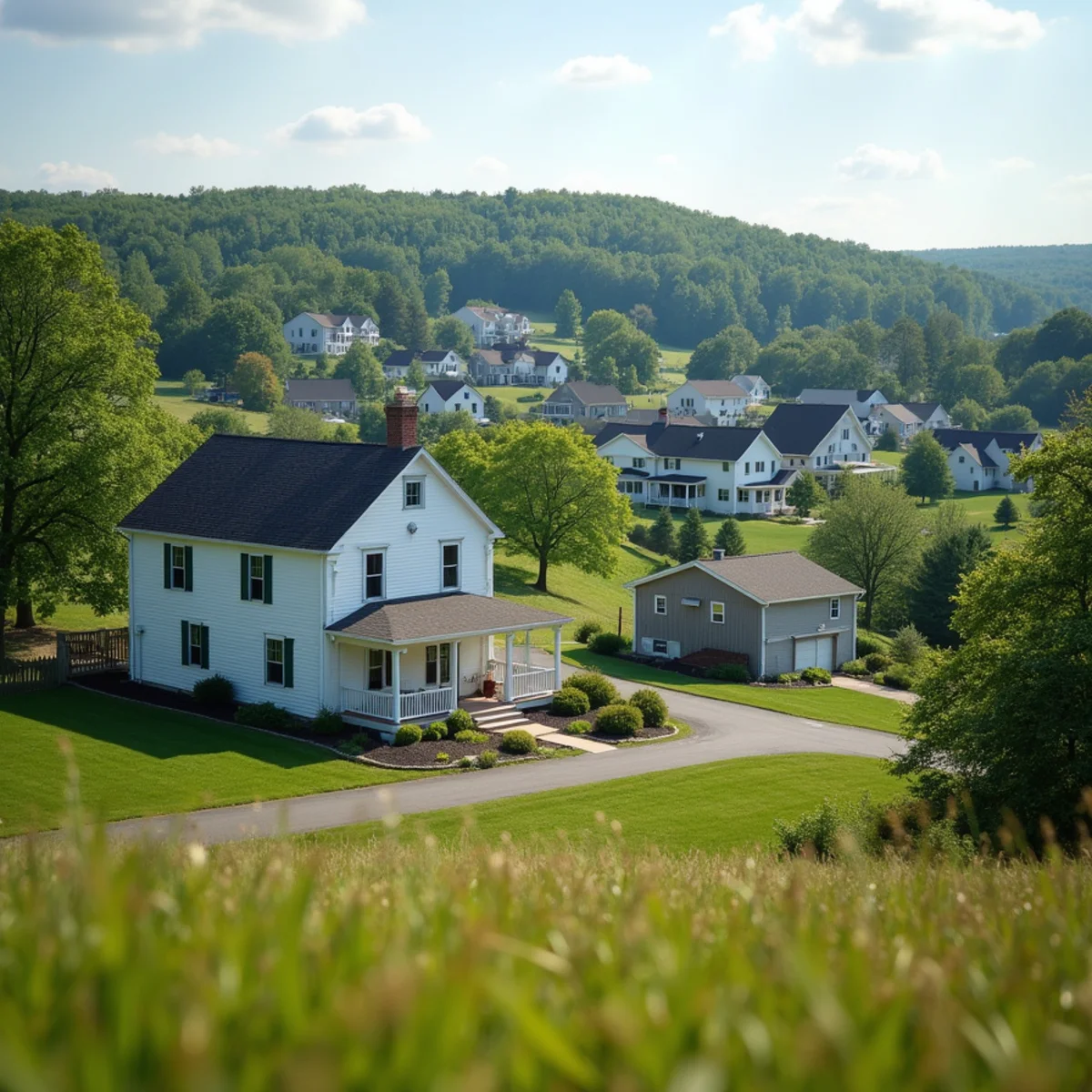
Silver Spring Township has absorbed a large share of Cumberland County’s growth over the past thirty years — subdivisions spreading north and east of the US-11 corridor, eighteen to twenty-four minutes from Carlisle.
Same-day emergency service across Cumberland County 4.9/5 from 214+ reviewsLicensed & insured
- 4.9 ★
- 214+ local reviews
- 18 yrs
- Serving Cumberland County
- 24/7
- Emergency dispatch
- 100%
- Satisfaction guarantee
The township’s HVAC profile is defined by when it was built. The developments from the 1990s and early 2000s are all reaching the same point at the same time: original equipment at fifteen to twenty-five years, failing in clusters.
The newer construction is a different world — tight envelopes, variable-speed equipment, communicating controls, and zoning systems that were installed by whoever the builder used and frequently never commissioned properly.
Two build eras, two sets of problems
The 1990s–2000s stock was largely built with builder-grade equipment sized generously and installed quickly. Common findings: oversized systems that short-cycle and never dehumidify, flex duct with sags and kinks reducing airflow, and returns that were value-engineered down to the minimum.
Those houses respond well to a right-sized replacement paired with duct correction. We frequently install smaller equipment than what came out, which surprises homeowners until we show them the load calculation and they experience the humidity improvement.
The newest builds have better envelopes and better equipment but are more sensitive to commissioning. A zoned system with bypass dampers set wrong, or a variable-speed blower never configured for the actual duct static, underperforms badly despite excellent hardware.

18–24 minutes east on US-11 from our shop to Silver Spring Township
Same-day emergency service across Cumberland County. Call and describe the symptom — we will tell you honestly whether it needs a truck tonight or a scheduled visit.
Local work: the subdivisions off the corridor
A 2003-built house here came to us with the classic complaint: 72°F on the thermostat and a house that felt damp all July. The existing system was a full ton larger than the calculated load.
We replaced it with correctly sized two-stage equipment, corrected two sagging flex runs, and added a return in the upstairs hall. Measured indoor humidity dropped from the high fifties into the mid-forties, and the homeowner reported the house felt cooler at a higher thermostat setting — which is exactly what proper latent capacity does.
We have done enough work in these developments to recognize the builder duct layouts on sight, which makes both diagnosis and quoting faster and more accurate.
Two build eras that fail in completely different ways
The township holds two distinct housing stocks and they do not share problems. The older farm and ranch properties have modest loads and aging equipment. The subdivision stock off the US-11 corridor is large-volume, tightly built and mostly heat pumps, installed within a few years of each other.
That second group is why whole streets replace equipment at the same time. Systems installed together on a development schedule reach the end of their service life together, and a neighbour's replacement is not evidence that yours has failed.
The comfort complaint in the newer houses is usually humidity rather than temperature. A tight, well-insulated house has a lower sensible load than its square footage suggests but the same moisture load from occupancy, so an oversized system holds 72 degrees and still feels clammy in July.
HVAC services we provide in Silver Spring Township
Commissioning is where builder-stock money is best spent
A great deal of the equipment out here was installed correctly and configured generically. Variable-speed and zoned systems have airflow, staging and dehumidification settings that need setting to the actual house, and a system left on factory defaults underperforms equipment that cost considerably less.
That means the first visit is frequently a commissioning visit rather than a replacement quote. Measuring airflow, checking charge properly and configuring the controls costs a fraction of new equipment and resolves a large share of the complaints we are called about here.
Flex duct is the other recurring cost. Runs that were kinked, compressed or left sagging at installation throttle the system permanently, and correcting the worst of them is cheap relative to the capacity people buy trying to compensate.
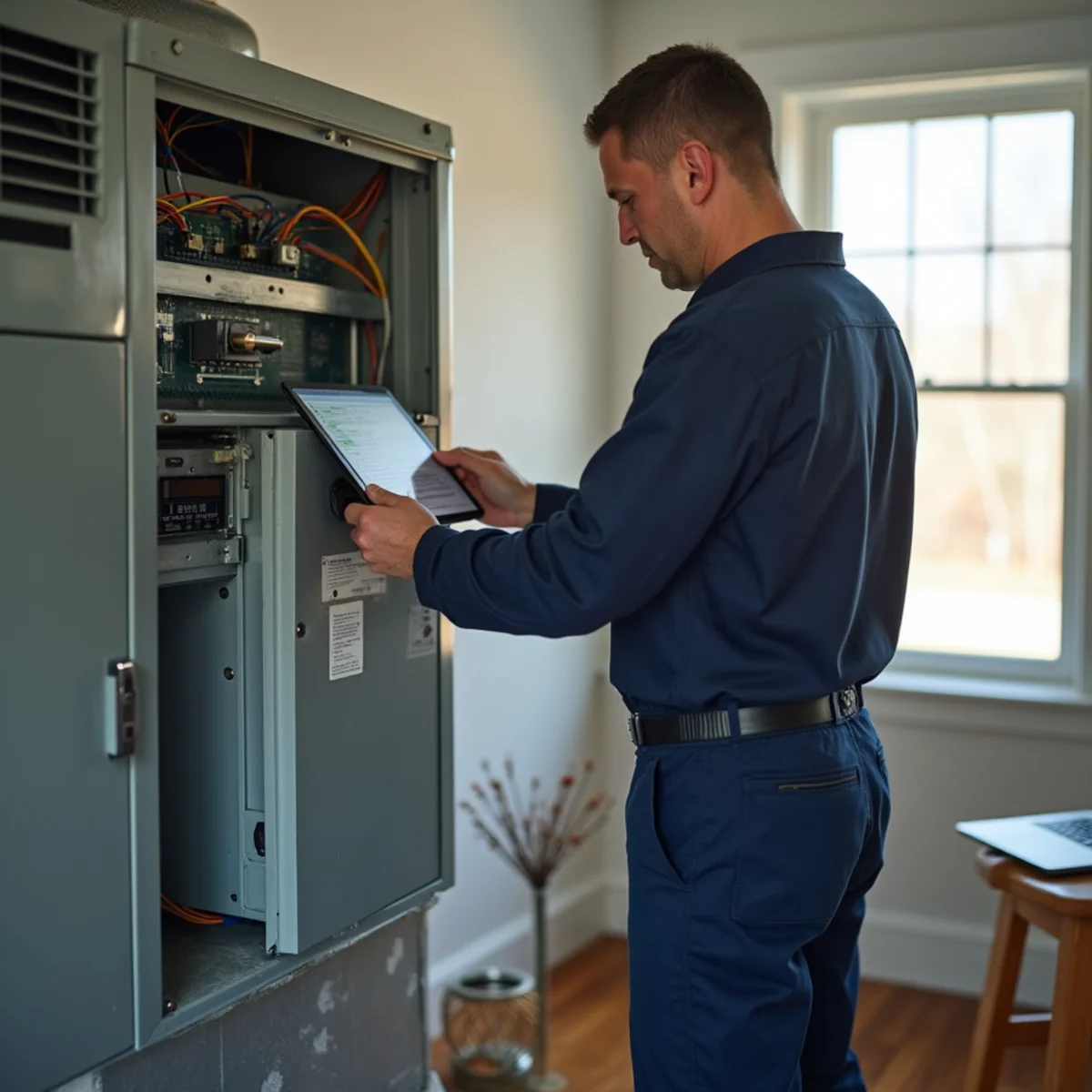
No heat or no cooling in Silver Spring Township right now?
A person answers the phone, not an answering service. Tell us the symptom and we will say honestly whether it needs a truck tonight or a scheduled visit — 18–24 minutes east on US-11 from our Carlisle shop.
Why Silver Spring Township residents call us
We know the builder stock
Enough replacements in these developments to recognise the flex-duct layout and minimum-spec returns before the first measurement, which makes quotes accurate the first time.
Usually smaller than what came out
Builder-grade systems here were sized generously. A correct load calculation often lands a half-ton to a full ton lower, and the house holds humidity far better for it.
Commissioning on variable-speed gear
Staging, blower configuration and defrost verified rather than assumed. Excellent hardware still underperforms when nobody sets it up.
Configured for your house, not the factory default
Variable-speed and zoned equipment has staging and dehumidification settings that decide how it performs, and most of it was never set.
A neighbour's failure is not your diagnosis
Whole streets were built together, so equipment ages together — we test yours rather than assuming it is on the same schedule.
18 years serving Cumberland County · 214+ reviews · EPA Section 608 Universal certified technicians · PA Home Improvement Contractor — registration number available on request · 100% satisfaction guarantee on every repair and installation
Silver Spring Township HVAC questions
The system is very likely oversized. Builder-grade equipment in these 1990s and 2000s developments was sized generously, so it satisfies the thermostat quickly and shuts off before the coil removes much moisture. On a 2003-built house here we replaced a system a full ton too large with correctly sized two-stage equipment, corrected two sagging flex runs and added an upstairs return — measured humidity went from the high fifties into the mid-forties and the owner reported it felt cooler at a higher thermostat setting.
Because the development was built in a narrow window, so the original equipment reaches end of life in a narrow window too. It is a real pattern here and it works in your favour — we have done enough of these streets to know the duct layout and electrical setup before arriving, which makes the diagnosis faster and the quote accurate.
Usually commissioning rather than hardware. Zoned systems with bypass dampers set wrong, or a variable-speed blower never configured for the actual duct static pressure, underperform badly despite excellent equipment. We measure static pressure and verify staging and configuration rather than assuming the installer did.
Frequently. Sags, kinks and compressed runs are the standard finding in builder stock, along with returns value-engineered to the minimum. Correcting those is usually a bigger comfort improvement per dollar than upgrading the equipment they feed.
Almost always the system is oversized for the sensible load and is not running long enough to dehumidify. A tightly built modern house needs less cooling capacity than its floor area suggests, but it still carries the same moisture load from cooking, washing and occupancy. The equipment reaches setpoint quickly, shuts down, and leaves the humidity where it was. On variable-speed equipment this is often correctable in the settings, by lowering airflow per ton and enabling the dehumidification mode, without changing a single component.
No, and it is worth being sceptical about that reasoning. These subdivisions were built on a schedule, so the equipment went in within a year or two of itself and reaches end of life around the same time. That makes simultaneous replacement look like a pattern that applies to you. What matters is your own system: capacity against the load, refrigerant charge, coil condition and compressor performance. We measure those and tell you where yours actually is.
Nearby areas we also serve
Our service area
HVAC Carlisle PA dispatches from 122 Beech St, Carlisle, PA 17013. Silver Spring Township is 18–24 minutes east on us-11.
HVAC service in Silver Spring Township — call +1 (327) 210-5999
Same-day emergency service across Cumberland County. Licensed, insured technicians dispatched from our Carlisle shop, with written options before any work begins.
214+ reviews · 18 years local · Licensed & insured · 100% satisfaction guarantee on every repair and installation
HVAC Carlisle PA122 Beech St, Carlisle, PA 17013
+1 (327) 210-5999