Prevention & Maintenance
Fall Furnace Tune-Up Checklist for Carlisle Homeowners
A tune-up should produce data. If the only evidence anyone was in your basement is a sticker, you bought a visit.
By HVAC Carlisle PAPublished Updated 8 min read
Schedule heating service between September and early November. Not December — by then everybody is calling because something already failed, and you are competing for the same trucks.
This article covers what a genuine tune-up includes, what you can reasonably do yourself, and the specific readings worth asking for so you can tell real maintenance from a sticker on the side of the cabinet.
Need this handled rather than explained?
Same-day emergency service across Cumberland County. Licensed technicians dispatched from Carlisle, with written options before any work begins.
What you can do yourself, before we arrive
- Replace the filter and note the size and type somewhere you will find it again
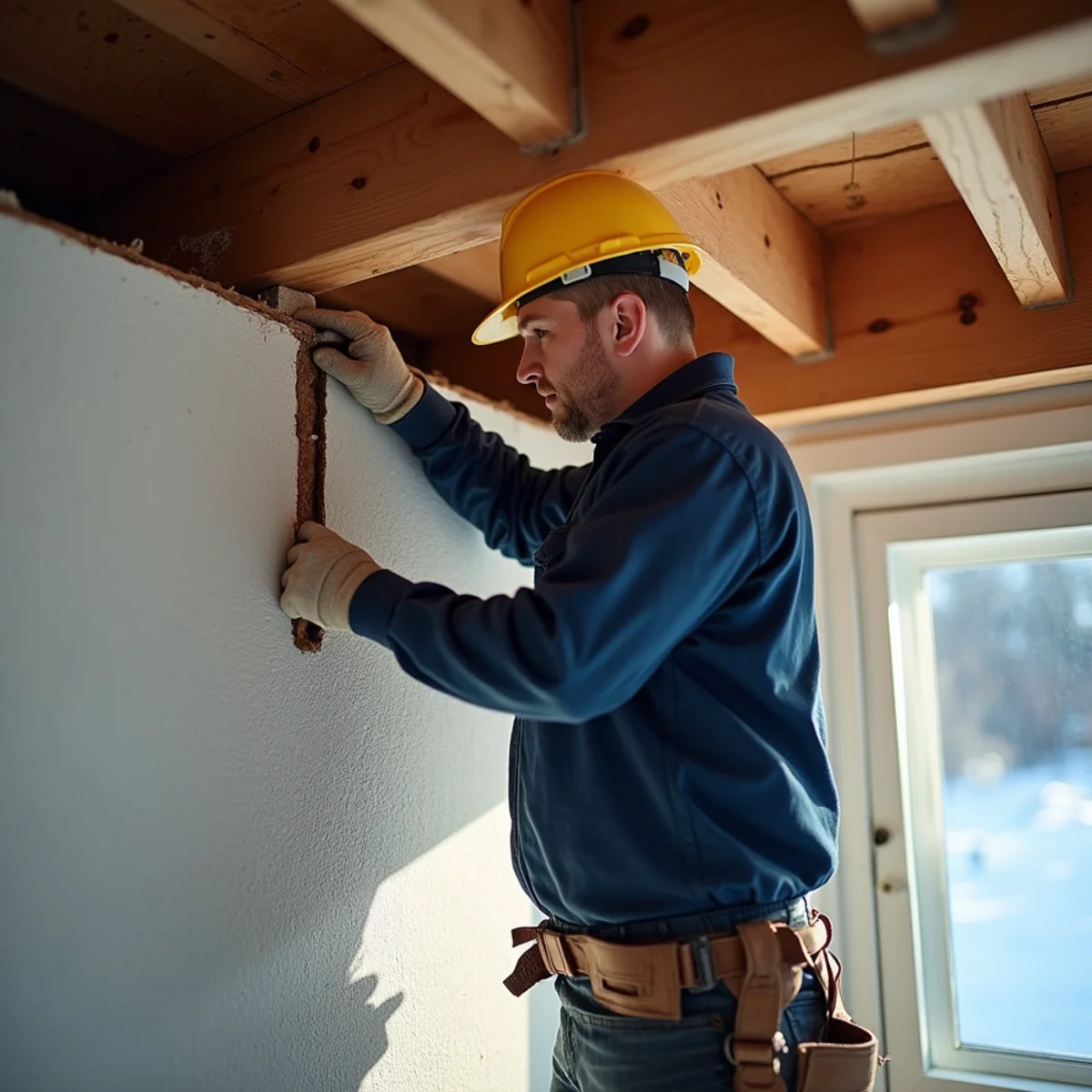
- Clear a three-foot working area around the furnace — stored boxes against a furnace are both a service obstruction and a fire hazard
- Open all supply registers and make sure return grilles are not blocked by furniture or rugs
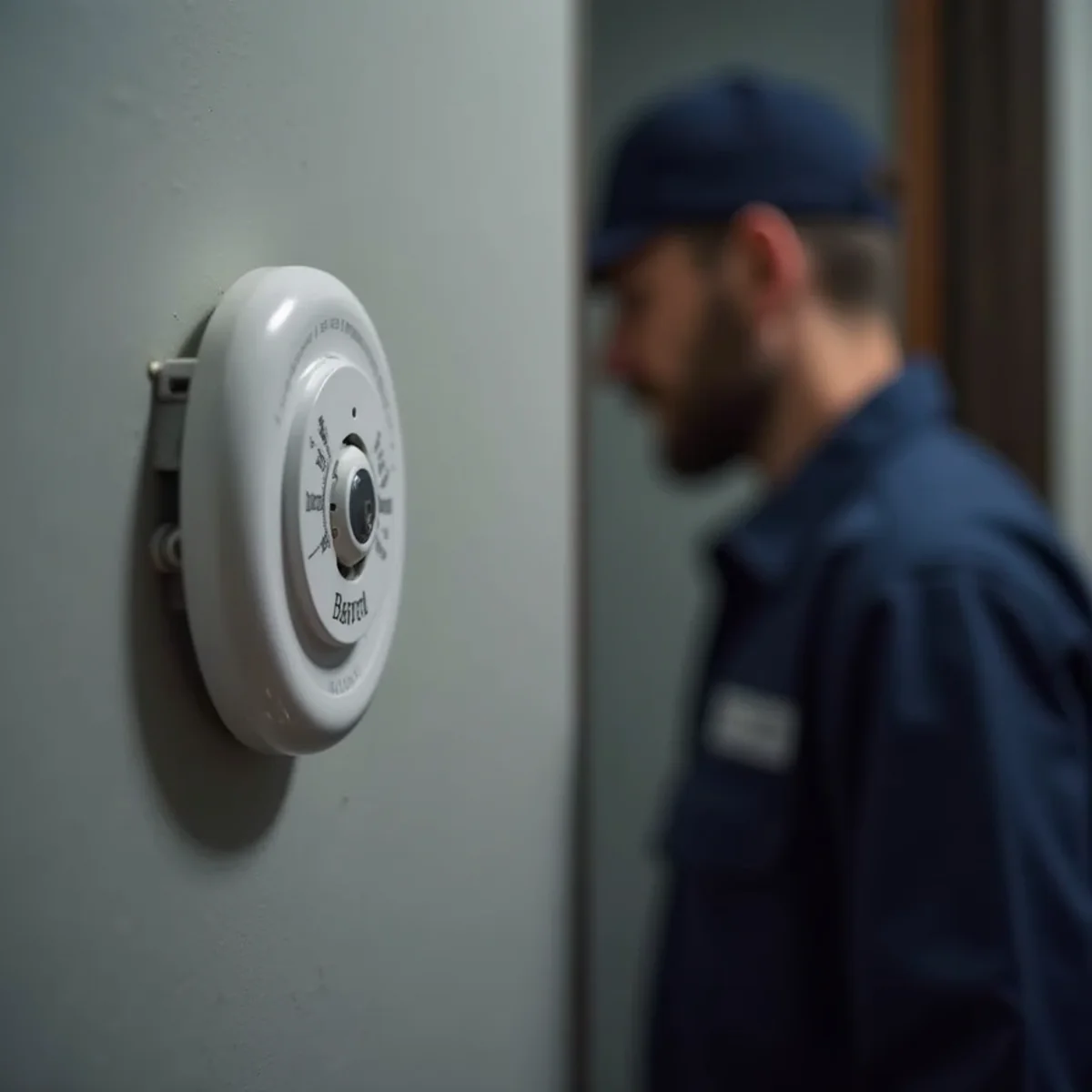
- Test every smoke and carbon monoxide alarm, and check the manufacture date on the back of each CO unit — most expire at 7 to 10 years
- Run the heat for fifteen minutes on a cool day in September, so you discover a problem in mild weather rather than in a cold snap
- Note any change: new noises, odd smells, rooms that were problematic last winter
- Check that the outdoor termination of a high-efficiency furnace’s PVC vent is clear of nests, leaves, and mulch
What a professional tune-up must include
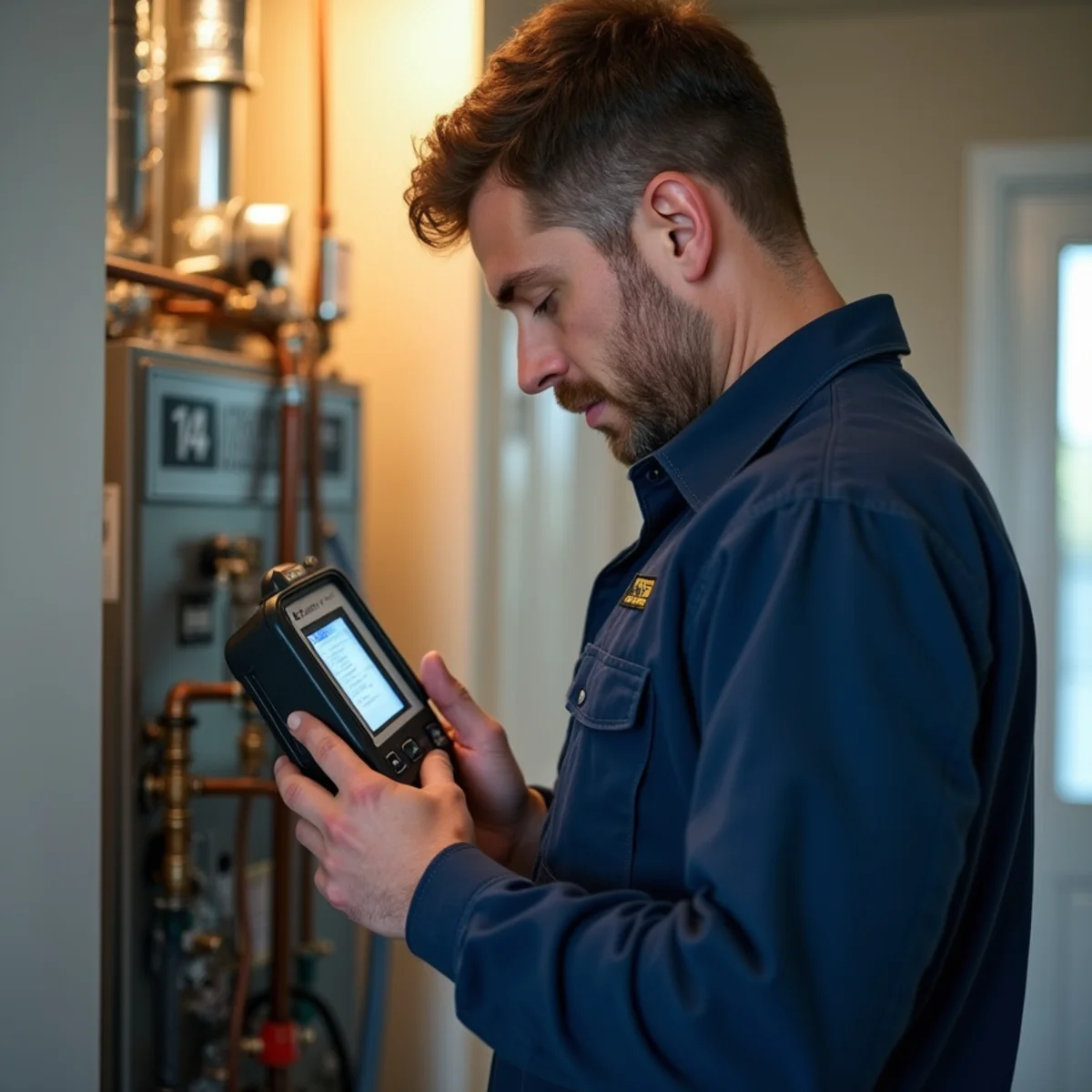
- Combustion analysis with printed results: CO in the flue, O2, stack temperature, and efficiency
- Heat exchanger inspection, visually and by combustion signature
- Burner cleaning and inspection of flame quality
- Flame sensor service with the microamp reading recorded before and after
- Igniter resistance check
- Gas manifold pressure verified against the data plate; on oil, nozzle, filter, electrodes, and pump pressure
- Temperature rise measured and compared to the nameplate range
- Static pressure across the filter, the coil, and the total system
- All safeties tested: limits, rollout switches, pressure switches, and float switches
- Flue and vent inspection, and on condensing furnaces, the condensate trap and full drain path
- Blower wheel condition, motor amp draw, and capacitor value under load
- Thermostat calibration and verification that staging is configured for the equipment
The Carlisle-specific items that belong on the list
These are not on a generic national checklist and they matter here.
- Condensate line protection: any run through a crawlspace, garage, or exiting a sidewall should be insulated, re-routed, or heat-traced before winter. This is the most common cold-snap lockout in the borough.
- Orphaned water heater check: if the furnace was upgraded to high efficiency and the water heater was left alone in a masonry chimney, it needs draft and spillage testing
- Worst-case depressurization testing with the dryer and exhaust fans running — houses that have been air-sealed can fail this while passing a simple test
- Crawlspace duct insulation inspection in rural properties, where fallen insulation is nearly universal
- On oil systems, a tank inspection alongside the burner service
- Chimney draft check on exposed properties, particularly in the Mount Holly Springs gap where wind-induced downdraft is a real factor
The readings to ask for, and what they mean
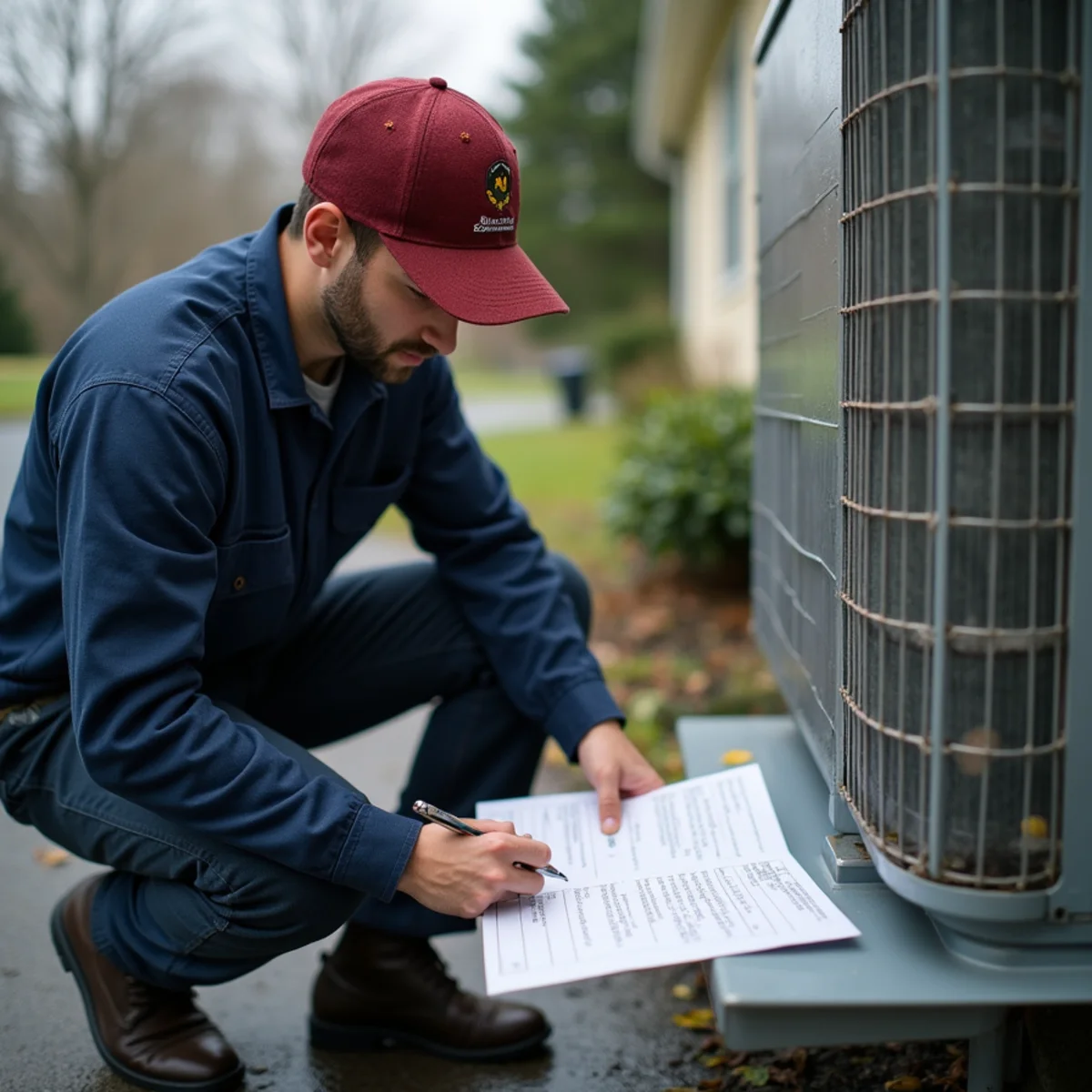
Ask for these in writing. A contractor who cannot produce a report with numbers on it did not perform the tests.
- Temperature rise — should fall within the range printed on the data plate. High rise means restricted airflow.
- Static pressure — most equipment is rated for about 0.5 inches of water column. Readings of 0.9 or higher mean the duct system is choking the equipment.
- Flame sensor microamps — a healthy reading is typically well above the control’s minimum threshold. A marginal one predicts a mid-winter lockout.
- CO in the flue — should be low and stable. Elevated or rising CO is a genuine finding, not a nuance.
- Capacitor microfarads — compared against the rating printed on the can. Drifting below tolerance predicts a failure.
- Blower amp draw against nameplate full load amps
Why the timing matters more than people think
A furnace that has sat idle since March has dust on the heat exchanger, a flame sensor that has oxidized, and possibly a rodent nest in the flue. The first hard run of the season is when all of that surfaces.
Running the heat for fifteen minutes on a cool September day means you find out then, in daylight, with the whole trade available — rather than at 11 p.m. on the first genuinely cold night in December when every contractor in Cumberland County has a full board.
It costs nothing and it is the single most useful thing on this list.
Warranty and documentation
Most manufacturers condition the parts warranty on documented annual professional maintenance, and they can request that documentation when a claim is filed. If you have never had your furnace serviced, a compressor or heat exchanger claim may be denied on that basis alone.
Keep the tune-up reports with your installation paperwork and warranty registration. Year over year, they also let you see trends — a capacitor drifting, a static pressure creeping up as a coil fouls — which is exactly how you catch failures before they strand you.
What a tune-up will not catch, and what to watch between visits
A tune-up is a snapshot of a system on one day, taken under whatever conditions existed that morning. It is extremely good at finding components drifting toward failure and combustion that has gone out of adjustment. It cannot predict a control board that dies without warning, and it cannot reproduce a fault that only appears at design temperature in February.
That is not a criticism of the exercise, it is a reason to know what you are watching for in between. Most furnace failures announce themselves days or weeks ahead, and the signals are things you notice rather than things you measure.
- Cycles getting noticeably shorter or more frequent than they were last winter
- A new noise on start-up, during the run, or at shutdown
- Any smell of burning or of gas, which is a stop-and-call rather than a note-it
- Rooms that used to hold temperature and now do not
- A visible flame that has changed colour or is lifting off the burner
- Water anywhere around the furnace, which usually means the condensate path
Having the right things ready before the technician arrives
A tune-up is a fixed appointment length, and how much of it goes into productive work depends partly on what is waiting when the technician arrives. Every minute spent moving stored boxes away from a furnace is a minute not spent on the equipment.
The most valuable item is the history. If you have previous readings, particularly last year, they turn a snapshot into a trend, and a trend is what identifies a capacitor or a temperature rise that is drifting in the wrong direction.
- Clear access to the furnace, the return grilles and the outdoor unit
- Previous service records or readings if you have them, so this year can be compared
- The filter size written down, or the old filter kept, so the correct one gets fitted
- Any question or symptom noted down rather than remembered at the door
- Pets secured, since a technician will be opening panels and moving between floors
- Someone in the house who can answer questions about how it has been behaving
Related services and areas
Frequently asked questions
September through early November. By December the call boards are full of people whose systems have already failed, and you will wait. Booking in early fall also means any part that needs ordering arrives in mild weather rather than during a cold snap.
It is if it is a real one. A visit that includes combustion analysis, static pressure, safety testing, and a written report with readings catches degradation while it is still cheap and keeps your manufacturer warranty valid. A visit that consists of a filter change and a sticker is not worth what anyone charges for it. Ask for a sample report before you book.
There is no universal interval. A 1-inch pleated filter in a busy household with pets may need changing every 30 to 45 days; a 4- or 5-inch media filter can run six months to a year. Your interval depends on filter type, blower, and household. Check it monthly at first until you learn your own pattern.
You can do a meaningful part of it, and you cannot do the part that matters most. Changing the filter, clearing the area, checking that registers and returns are unobstructed and vacuuming accessible surfaces are all worth doing and require nothing but time. What cannot be done without instruments is combustion analysis, gas pressure at the manifold, flame current in microamps, temperature rise against the data plate, and static pressure. Those readings are the tune-up; the cleaning is preparation for it. A visit without them is a filter change with a fee attached.
No, and a reputable contractor will not behave as though you are. You are entitled to the finding, the reading that supports it and a written quote, and then to take that elsewhere for comparison. What is reasonable is that the diagnosis has value and you have paid for the visit that produced it. What is not reasonable is pressure to authorise work on the spot, a discount that expires when the technician leaves, or a refusal to put the finding in writing so you can get a second opinion on it.
Frequently not, and it is worth asking rather than assuming. A whole-home humidifier has its own annual requirements: the pad or media needs replacing, the solenoid and drain need checking, and the humidistat needs setting for the season. Many tune-up prices cover the furnace only and treat the humidifier as an add-on. It is a small cost and it matters, because a humidifier left with a scaled pad either stops working or runs constantly, and one left on a summer setting through winter will put moisture into places you do not want it.
Talk to a licensed Carlisle technician
HVAC Carlisle PA has served Carlisle and Cumberland County since 2007. We test before we recommend, we put options in writing, and we answer the phone at 2 a.m.
HVAC Carlisle PA · 122 Beech St, Carlisle, PA 17013 · +1 (327) 210-5999