Prevention & Maintenance
Winterize Your Carlisle Home Before the First Hard Freeze
A sequenced checklist for a Cumberland Valley winter, ordered by what actually returns the most for the effort.
By HVAC Carlisle PAPublished Updated 8 min read
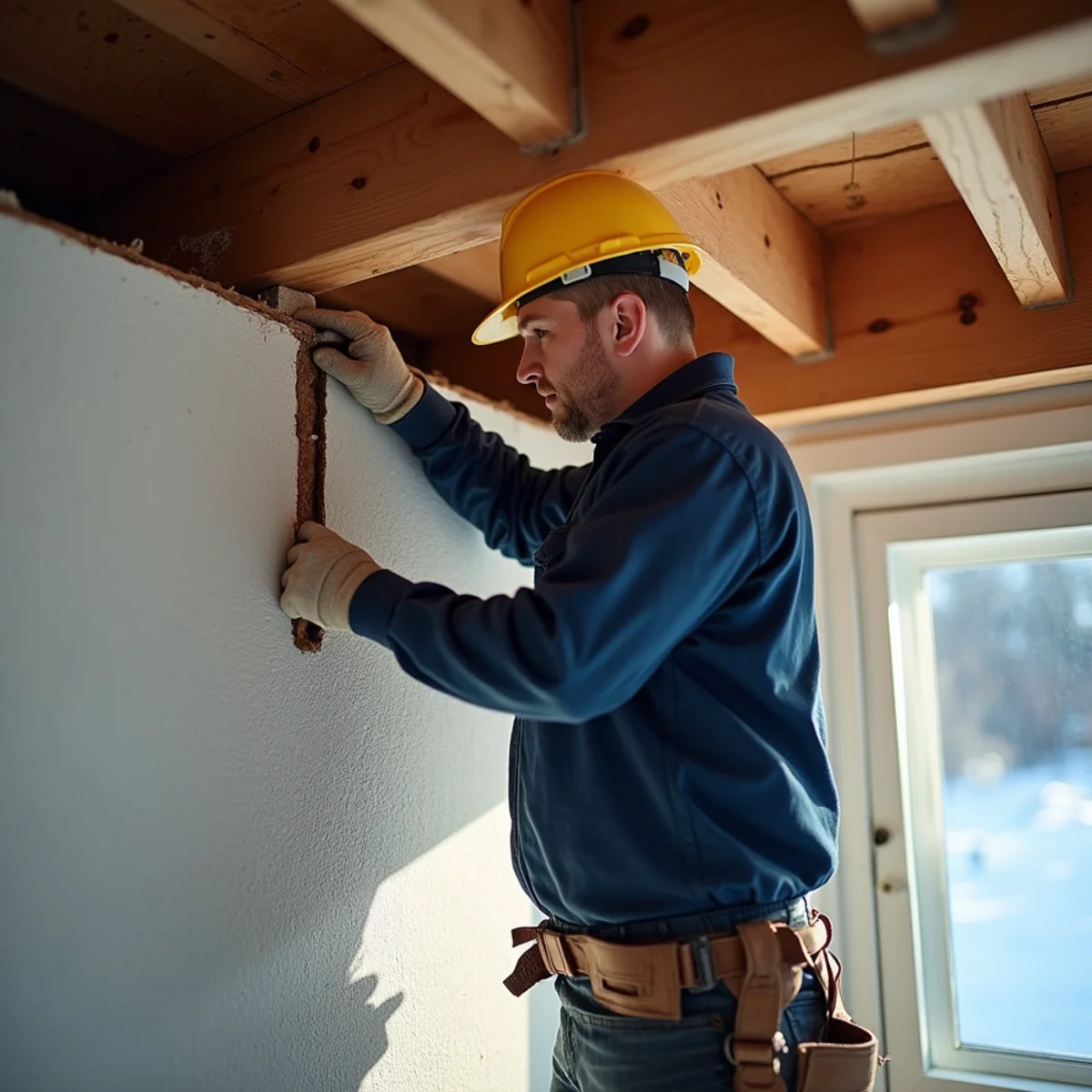
The first hard freeze in Carlisle usually arrives sometime in November, and the work below is far easier to do in October than to do in a hurry the week it happens.
This list is ordered by return. The top items matter most; the bottom ones are worth doing if you have time.
Need this handled rather than explained?
Same-day emergency service across Cumberland County. Licensed technicians dispatched from Carlisle, with written options before any work begins.
First: the heating system
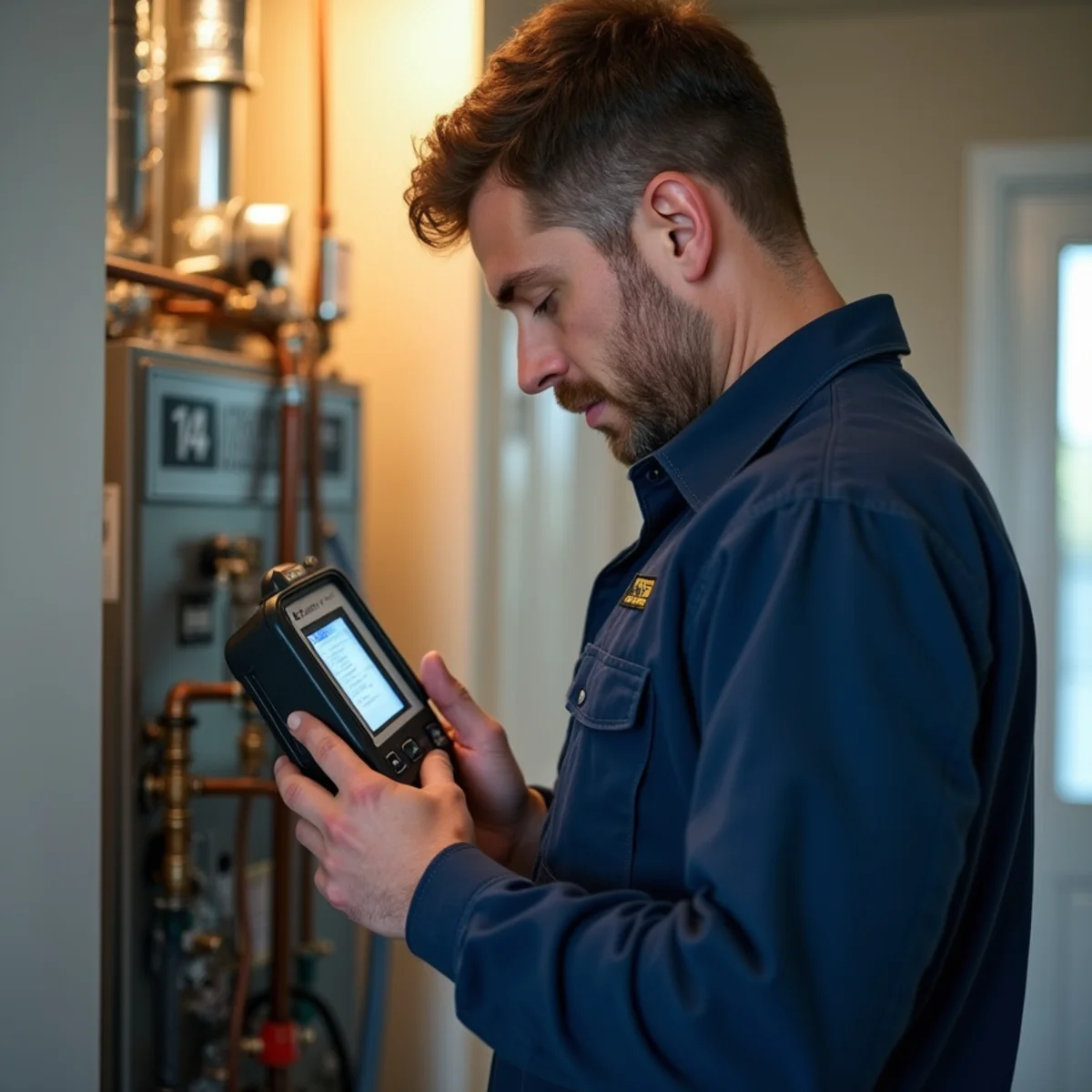
- Book professional heating service between September and early November, before the queue forms
- Run the heat for fifteen minutes on a cool day so you find problems in daylight and mild weather
- Replace the filter and note the size
- Test every smoke and carbon monoxide alarm; check the CO manufacture dates and replace anything past 7 to 10 years
- On a heat pump, confirm auxiliary heat actually works — test it in October, not during a January outage
- Clear stored items back three feet from the furnace or boiler
- On oil, confirm you have fuel and that the tank filter has been changed this year
Second: condensate and freeze-vulnerable HVAC components
This is the item most Carlisle homeowners have never been told about, and it causes more cold-snap lockouts here than anything else.
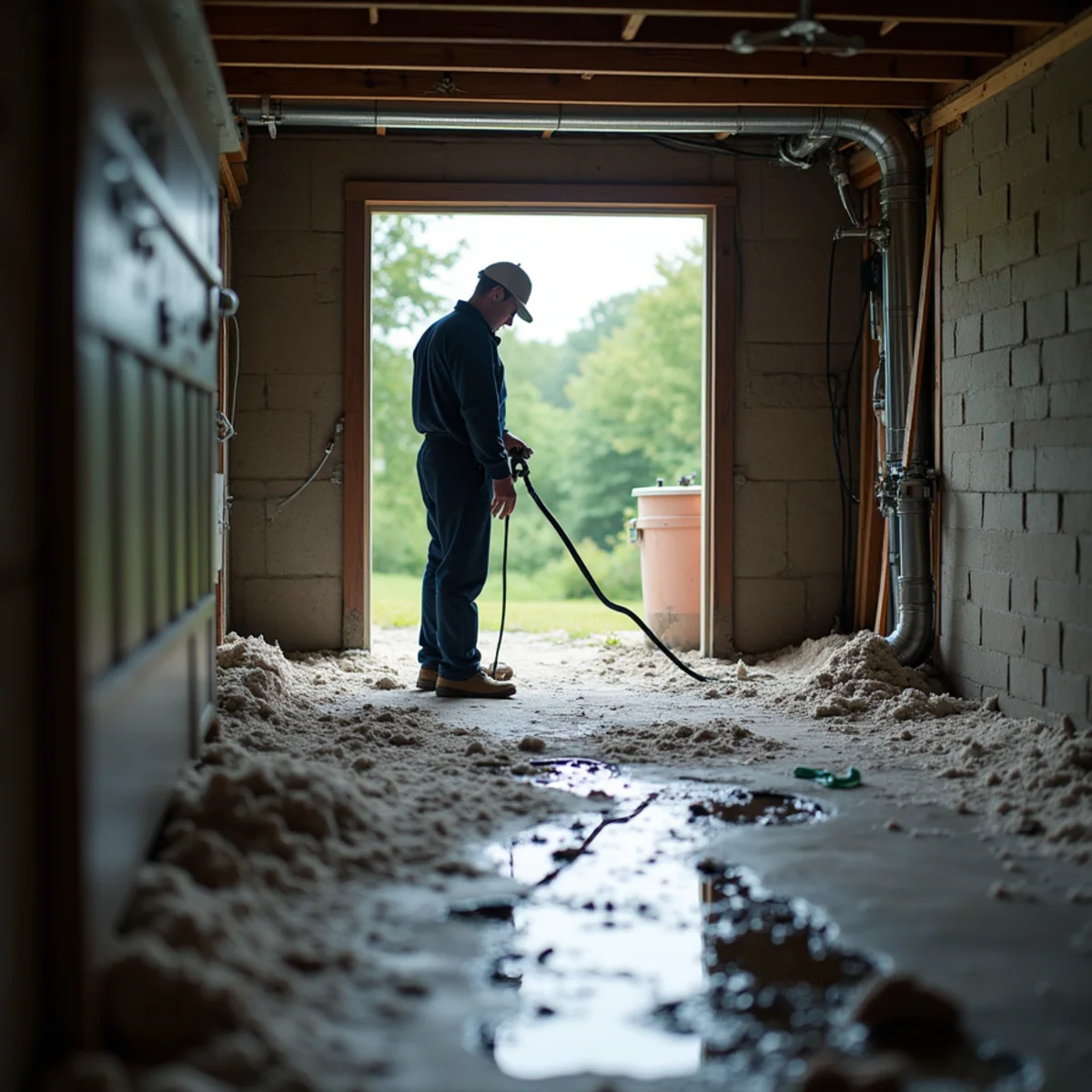
- Trace your high-efficiency furnace’s condensate drain along its entire path. Anywhere it crosses a crawlspace, garage, or exits a sidewall is a freeze point.
- Insulate, re-route, or heat-trace those sections before the first freeze
- Shorten any exterior pipe stub so it does not collect an ice plug at the end
- On a heat pump, confirm the outdoor unit sits on risers with clear space underneath for meltwater to drain rather than build an ice shelf
- Clear leaves and mulch from around the base of any outdoor unit
Third: plumbing freeze protection
- Disconnect garden hoses and shut off exterior hose bibs at the interior valve, then drain the line
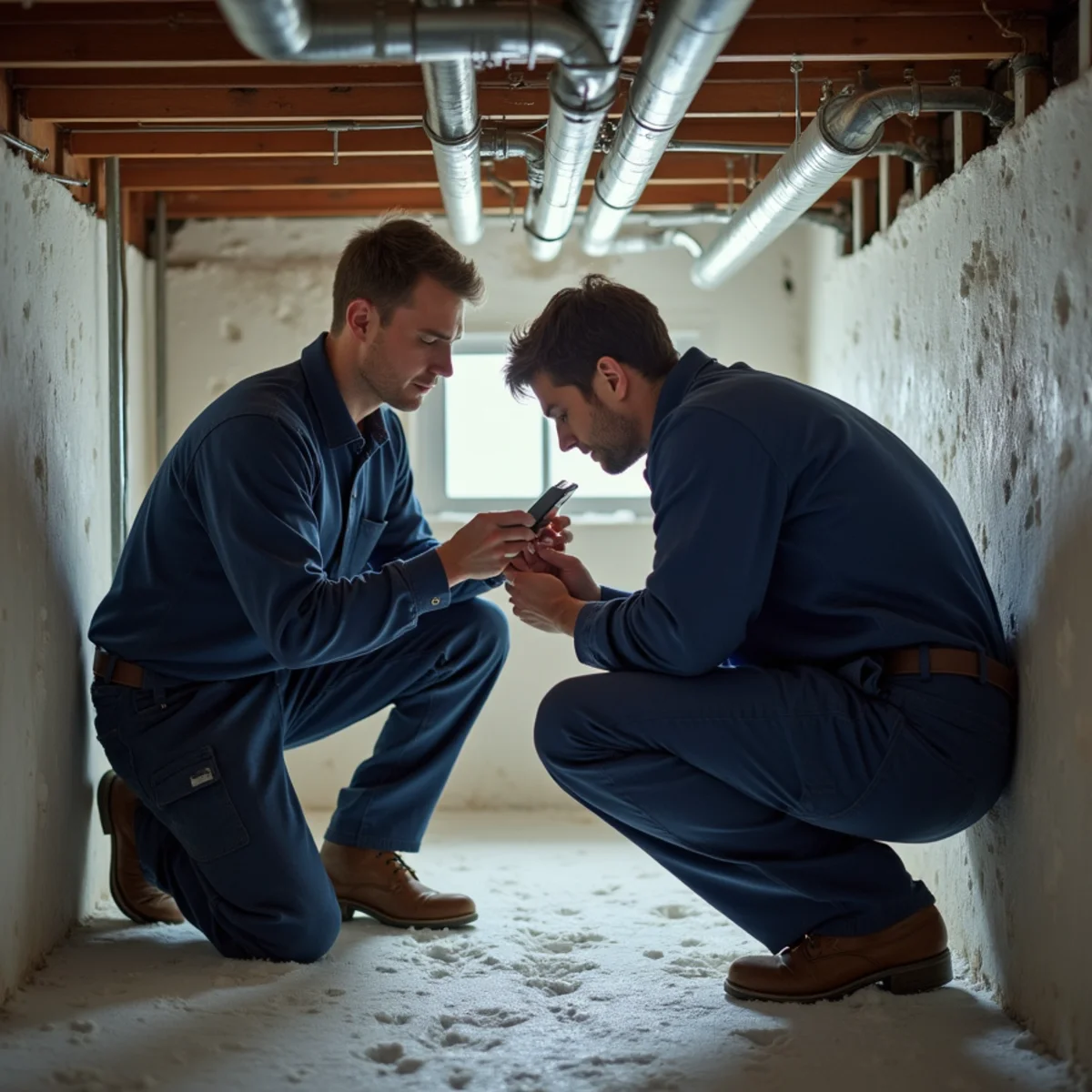
- Insulate pipes in crawlspaces, unheated basements, and garages
- Seal rim-joist and crawlspace air leaks — cold air washing directly over a pipe is what freezes it, more than ambient temperature alone
- Never set a thermostat below 55°F, even in an unoccupied house. 58–60°F is safer where plumbing runs in exterior walls.
- Locate your main water shutoff and confirm it turns
- For a vacant or seasonal property, install a Wi-Fi thermostat with a low-temperature alert to your phone
Fourth: the envelope
Air sealing returns more per dollar than almost any equipment upgrade, and it helps most on the coldest, windiest nights — exactly when you need it.
- Seal the rim joist, the single largest accessible air leak in most Carlisle basements
- Weatherstrip doors and check that they close and latch properly
- Caulk window trim and any obvious gaps around penetrations
- Seal around plumbing and wiring penetrations into the attic — those are the biggest stack-effect drivers
- Check attic insulation depth and top it up where it is thin or has been compressed
- Insulate and seal any duct running through an attic or vented crawlspace
- On gap-exposed properties in Mount Holly Springs and along Waggoners Gap, prioritize this section — wind drives infiltration load directly
Fifth: fireplaces, chimneys, and backup heat
- Have a wood-burning fireplace or stove flue inspected and swept before the season
- Confirm the damper opens and closes and seals when shut — an open damper is a permanent hole in your envelope
- If you have a generator, test it, check the oil, and confirm fuel is stored safely and is not stale
- Verify any transfer switch works, and never plan to back-feed through an outlet
- Check that space heaters are UL-listed with functioning tip-over switches, and have somewhere to plug them in directly — never an extension cord
Sixth: humidity, which most people set up wrong
January air at 21°F holds almost no moisture. Heated to 70°F indoors, relative humidity can drop into the teens — dry sinuses, static shocks, and in older houses, cracking plaster and opening trim joints.
If you have a whole-home humidifier, this is the month to service it: replace the pad, check the water feed and solenoid, and verify the humidistat is working.
Set it using outdoor reset if the control supports it. A fixed 45% setting will fog and drip on your windows in January, which creates its own problems. Target the EPA range of 30–50%, backed off as outdoor temperatures fall.
A month-by-month order of operations
Everything on this list is easier and cheaper done early, and several items are genuinely difficult to arrange once the weather turns. Spreading them across autumn also avoids the single most common failure, which is intending to do all of it in one weekend and doing none of it.
The dates below are approximate for this area rather than fixed. The first hard freeze in the Cumberland Valley typically arrives somewhere in the second half of October, so anything freeze-related wants to be finished before then rather than during it.
- September: book the heating service, before the queues form and while parts are easy to get
- September: order or replace filters for the season so you are not improvising in January
- Early October: outdoor taps drained and isolated, hoses disconnected and stored
- Early October: attic and rim joist air sealing, which is the highest-value envelope work
- Mid October: condensate path checked, insulated or re-routed before it can freeze
- Late October: chimney and any backup heat serviced, CO alarm dates checked
- November: humidifier set up for the season, and low-temperature alarm tested
If the house will be empty for part of the winter
A property nobody visits is the highest-risk category in this climate, because a heating failure produces no complaint until the damage is done. The measures that matter are about detection as much as prevention.
The setback temperature is the item most often set wrong. People choose a number based on the thermostat reading in a warm hallway, when the temperature that matters is in the coldest corner where plumbing runs, which on a windy night can be many degrees lower.
- Set back to the mid-fifties rather than the mid-forties, based on where the pipes are
- Fit a low-temperature alarm that alerts a phone, not just a local sounder
- Arrange for someone to physically check the property periodically
- Shut off the water at the main and drain down if nobody will visit at all
- Leave interior doors and cabinet doors open so heat reaches plumbing runs
- Check the insurance policy, since many restrict cover on unoccupied properties
Related services and areas
Frequently asked questions
No lower than 55°F, and 58–60°F is safer if plumbing runs through exterior walls or unheated crawlspaces. The heating savings from going lower is measured in a few dollars a week. A burst supply line in an empty house is measured in tens of thousands.
Yes — it is one of the highest-return items on this list for rural and older borough homes. Uninsulated or fallen duct insulation in an unconditioned crawlspace means you are heating the crawlspace and delivering whatever is left to the rooms. We find fallen insulation on the majority of rural properties we service.
Typically sometime in November, though it varies year to year and arrives earlier at elevation toward South Mountain. The practical answer is to have this list finished by the end of October, because everything on it is easier to do before you need it.
Very little, and less than people assume. Clear leaves and debris from around the outdoor unit and make sure nothing is resting against it. Do not wrap or fully cover it: a cover that traps moisture encourages corrosion and gives rodents somewhere sheltered to nest, and both cause more damage than the weather would. If you want protection from falling debris, a solid panel mounted above the unit leaving all sides open is the right approach. If you have a heat pump rather than an air conditioner, cover nothing at all, because it runs all winter.
If the crawlspace contains plumbing or ductwork, closing them for winter reduces freeze risk noticeably, and it is worth doing before the first hard freeze. The larger question is whether the space should be vented at all. Current thinking generally favours sealing and conditioning crawlspaces rather than venting them seasonally, because in this climate summer venting brings humid air into a cool space and causes the moisture problems behind cupped floors and musty smells. Seasonal closing is a sensible interim measure; a properly sealed crawlspace is the durable answer.
For most houses yes, though the value is in specific features rather than in the category. Remote alerting is genuinely useful: knowing the house temperature is falling while you are away turns a disaster into a phone call. Scheduling saves money if you actually use it. Be careful with one thing: if you have a heat pump, the thermostat must be one that manages staging and auxiliary heat lockout properly, and it must be configured, or you will spend more on strip heat than you save on scheduling. Fitting a generic smart thermostat to a heat pump without configuring it is a common and expensive mistake.
Talk to a licensed Carlisle technician
HVAC Carlisle PA has served Carlisle and Cumberland County since 2007. We test before we recommend, we put options in writing, and we answer the phone at 2 a.m.
HVAC Carlisle PA · 122 Beech St, Carlisle, PA 17013 · +1 (327) 210-5999