Emergency Guides
Ice Storms and Power Outages: Keeping Carlisle Homes Warm
Your gas furnace needs electricity too. Here is what actually keeps a Carlisle house warm through an ice storm — safely.
By HVAC Carlisle PAPublished Updated 8 min read
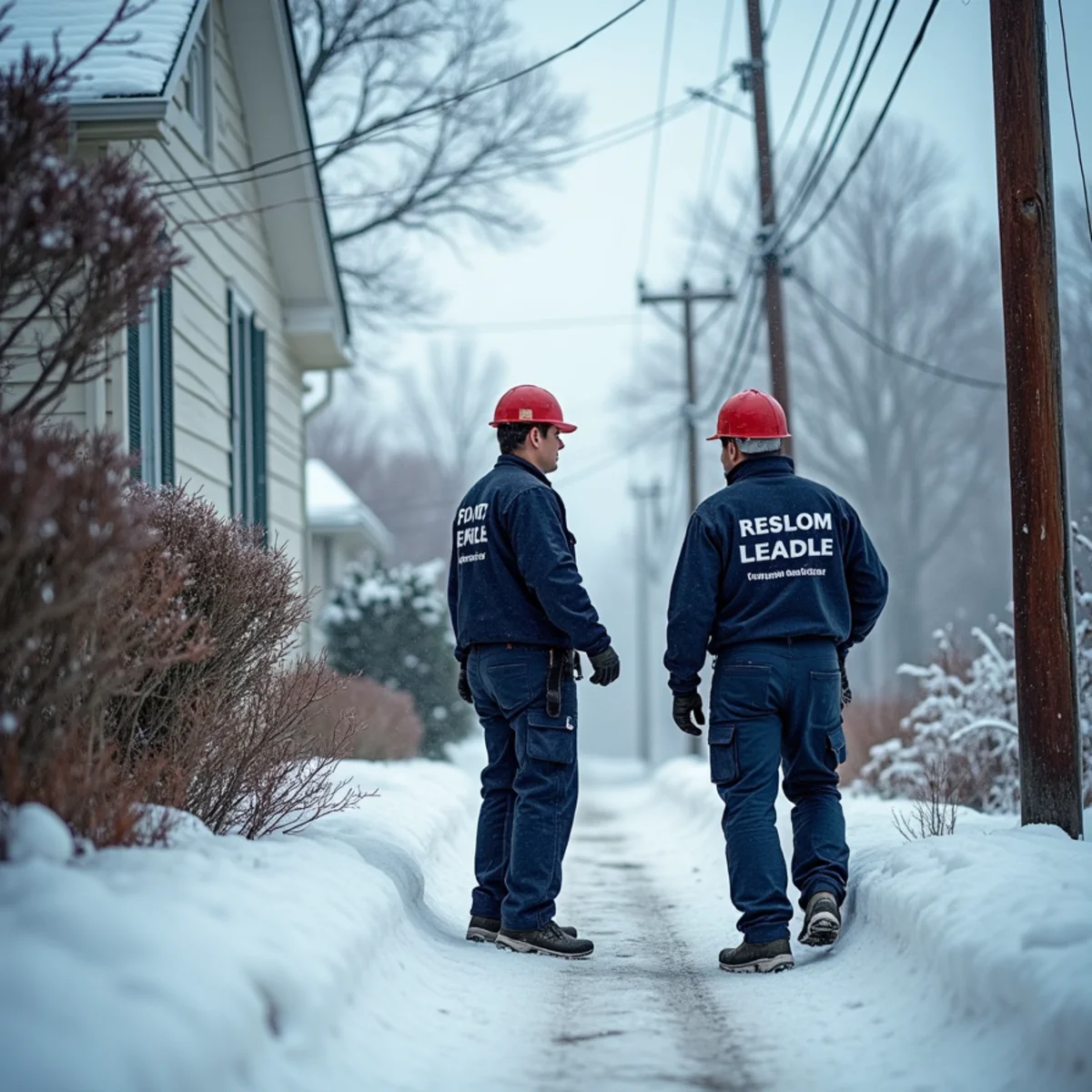
The surprise for most homeowners during an ice storm is that gas heat stops working. The fuel is still there, the furnace is undamaged, and the house goes cold anyway.
That is because every modern heating system needs electricity — for the blower, the controls, the inducer motor, the circulator pumps, and every zone valve in the house. No power, no heat, regardless of fuel.
Need this handled rather than explained?
Same-day emergency service across Cumberland County. Licensed technicians dispatched from Carlisle, with written options before any work begins.
What actually stops working, and why
- Gas furnace: the blower, inducer, ignition control, and gas valve are all electrically operated
- Oil furnace: the burner motor, fuel pump, ignition transformer, and blower all need power
- Boiler: circulator pumps and zone valves stop, so even if the boiler could fire, heat does not move
- Heat pump: entirely electric, including the auxiliary strip heat
- A standing-pilot gravity system, if you happen to have one, is the rare exception — and almost nobody does anymore
Generators: the right way and the deadly way
A generator can absolutely keep your heat running. Doing it wrong kills people every winter in Pennsylvania.
- Never run a generator in a garage, basement, crawlspace, or under a deck — including with the door open. CO accumulates far faster than most people believe.
- Place it at least 20 feet from the house with the exhaust pointed away from doors, windows, and vents
- Never back-feed through a dryer outlet or an extension cord into a wall receptacle. It energizes the utility line and can kill a lineman working to restore your power.
- Use a properly installed transfer switch, wired by an electrician. That is the correct and legal way to run a furnace from a generator.
- Size it for the startup surge, not just the running load — a furnace blower draws several times its running current at start
- Have working CO alarms regardless. Every year people die from a generator they were certain was far enough away.
Safe heating without a generator
- A properly maintained, correctly vented fireplace or wood stove — the safest non-electric option, if you have one and its flue is in good condition
- UL-listed propane or kerosene heaters rated and labeled for indoor use, following the manufacturer’s ventilation requirements exactly
- Consolidate everyone into one room and close the doors — heating 200 square feet is far easier than heating the whole house
- Layer clothing and use sleeping bags rather than trying to warm the air
- Never a gas range or oven, never an outdoor propane heater, never charcoal. These are the sources that fill emergency rooms during every regional outage.
Protecting the house through a multi-day outage
- Open cabinet doors under sinks on exterior walls
- Run a pencil-width trickle from the fixture farthest from the main
- If temperatures will stay below freezing for days with no heat, consider shutting off the water at the main and draining the system
- Keep interior doors open to allow whatever heat exists to distribute
- Close curtains at night; open south-facing ones during daylight
- Move to a warming center if the house drops below the mid-fifties and there is no restoration timeline
What to do the moment power returns
Do not simply flip everything back on at once. Bring the heating system up deliberately.
- Set the thermostat to a moderate setpoint rather than 75°F — a house that has been cold for two days does not need to be shocked back
- Listen to the startup. Grinding, screeching, or a hard-start rattle after an outage points at a motor that took a hit
- Check for water. A heat pump that was iced when power dropped may have a meltwater mess under it.
- Check every faucet for flow. A pipe that froze may only reveal a split once it thaws and pressure returns.
- Reset any tripped GFCI outlets and check the condensate pump if you have one
Ice damming and heat pumps
Ice storms are particularly hard on outdoor heat pump units. Freezing rain coats the coil and the fan, the defrost cycle cannot keep up, and meltwater refreezes underneath into a solid shelf.
If your unit is encased in ice, do not chip at it — you will puncture the coil, which converts a nuisance into a several-thousand-dollar repair. Switch to emergency heat, let the ice melt naturally or with warm water, and have the defrost system checked afterward.
This is also the argument for riser-mounting outdoor units rather than setting them on a slab at grade. Clearance underneath keeps meltwater from building an ice shelf under the coil in the first place, which is why we mount that way as standard.
What to have in the house before the forecast turns
Ice storms are forecast days ahead, which makes them one of the few emergencies you can genuinely prepare for. The useful preparation is unglamorous and most of it costs very little.
The single highest-value item is a way to know the house is getting cold when you are not in it. A low-temperature alarm that sends an alert changes an undetected multi-day failure into a same-day response, and that is the difference between an inconvenience and a burst supply line.
- A low-temperature alarm that alerts your phone, particularly for a property you may leave
- Fuel: a full oil or propane tank before the storm, since deliveries stop when the roads ice
- A battery or crank radio, torches, and charged power banks rather than candles
- Water drawn off in advance, because well pumps stop with the power
- Knowledge of where the main water shutoff is and confirmation that it turns
- Blankets and warm layers staged in one room you intend to occupy
Documenting an outage event for a claim
If an outage leads to a freeze and water damage, the claim will be settled on evidence gathered in the first day, most of which is impossible to reconstruct later. Photographs cost nothing and are worth taking before anything is cleaned up.
The distinction insurers apply is usually between sudden accidental damage and gradual deterioration, so anything establishing that this was an event with a date matters. Outage notifications from the utility, weather records and timestamped photographs all support that.
Keep the damaged components rather than disposing of them, and get the mechanical system assessed even if it appears to work. A furnace that ran hard through a freeze, or one that was flooded and started afterwards, can have compromised controls that fail later without an obvious link to the event.
Related services and areas
Frequently asked questions
No. Every modern gas furnace needs electricity for the blower, inducer motor, ignition control, and gas valve. The fuel supply is irrelevant if the controls have no power. The only way to run it during an outage is a generator through a properly installed transfer switch.
It depends on the blower motor and whether you also want the boiler circulators, well pump, or refrigerator running. The critical figure is the startup surge, which is several times the running current. An electrician sizing the transfer switch will calculate it properly — do not guess from the running wattage on the data plate.
If it is well maintained and correctly vented, yes, as a source of heat for the room it is in. Have the flue inspected before winter, keep the damper properly set, and never burn anything other than seasoned wood. Keep CO alarms working — a partially blocked flue on an actively burning fireplace is a genuine hazard.
Not safely in most cases, because a furnace is hard-wired rather than plugged in, and the improvised solutions people use are dangerous. Back-feeding a generator into a wall socket energises the utility lines outside your house and can kill line workers, and it is illegal. The correct arrangement is a transfer switch or an interlock kit fitted by an electrician, which isolates your house from the grid and lets the generator power selected circuits properly. That is worth arranging before storm season rather than improvising during one. Never run a generator indoors, in a garage, or near any window or vent.
It varies enormously with construction, wind and outdoor temperature, but a useful rule is that a reasonably insulated house loses a few degrees in the first hours and then drops faster as the structure itself cools. A solid masonry house coasts considerably longer than a lightly built one; wind makes everything worse. What matters more than the average is the coldest corner, because plumbing in a crawlspace or an exterior wall reaches freezing long before the middle of the house does. Close off unused rooms, gather in one space, and watch the pipes rather than the hallway thermostat.
For a short outage, no — shutting off the main and opening the lowest taps to relieve pressure is usually sufficient and much simpler. For a property you are leaving through an extended outage in genuinely cold weather with no heat expected, draining is worth doing properly: shut the main, open every tap from the top of the house down, drain the water heater if it will be unheated, and consider antifreeze in traps. Done half-heartedly it is worse than useless, because water left in a low section still freezes. If in doubt, a plumber can winterise a property properly in under an hour.
Talk to a licensed Carlisle technician
HVAC Carlisle PA has served Carlisle and Cumberland County since 2007. We test before we recommend, we put options in writing, and we answer the phone at 2 a.m.
HVAC Carlisle PA · 122 Beech St, Carlisle, PA 17013 · +1 (327) 210-5999